news
Ballarat's Housing Decisions Will Shape City for Next Decade
With cooling prices nationally and a state government infrastructure review looming, Ballarat faces a narrow window to get its planning settings right.
How we reported this
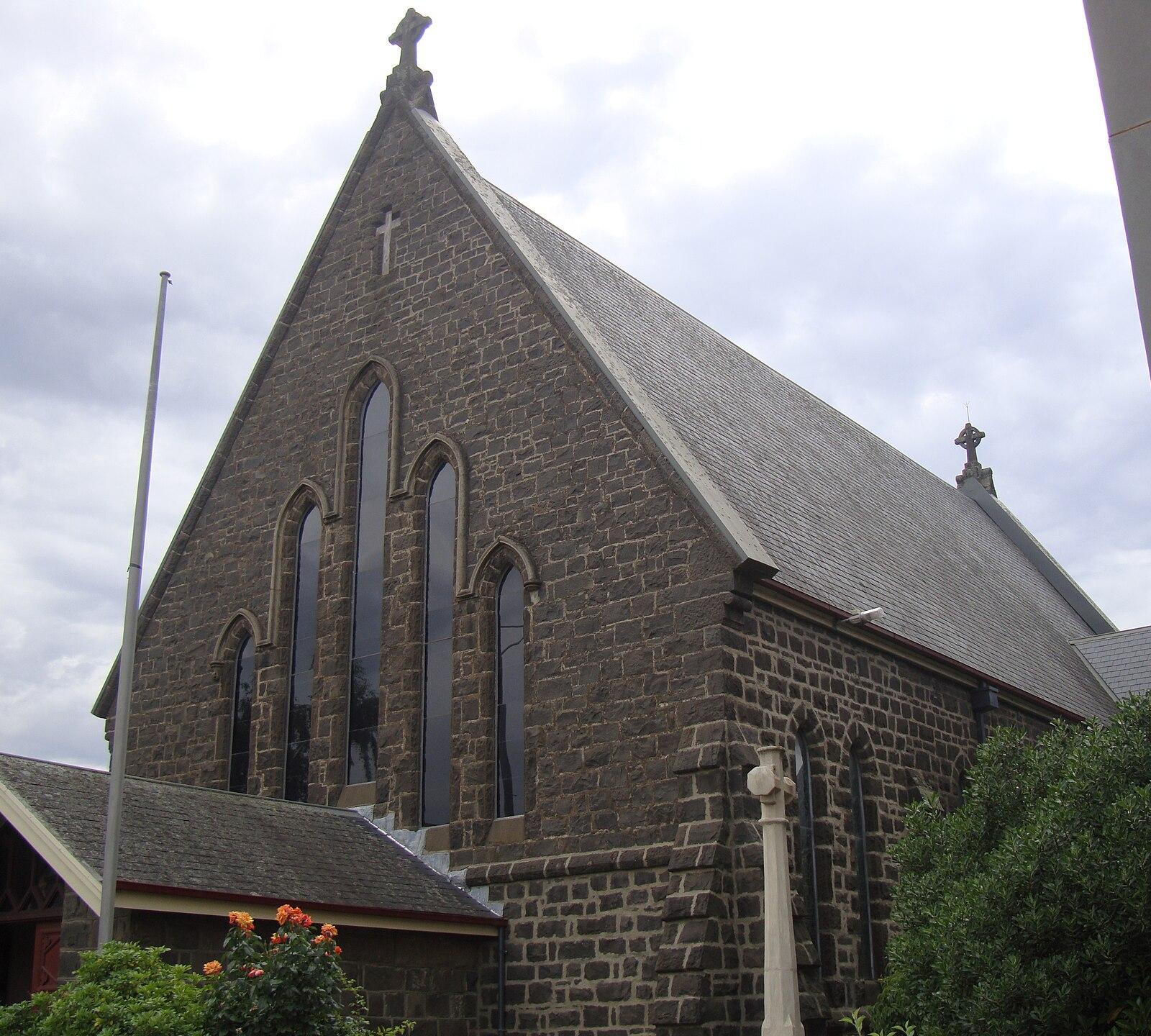
The City of Ballarat must make a series of consequential zoning and infrastructure decisions before the end of 2026, choices that will determine whether the region absorbs its projected population growth of roughly 30,000 additional residents by 2041 in an orderly way, or lurches from shortage to oversupply as the broader Australian property market loses momentum.
The timing matters because the conditions that made Ballarat a magnet for Melbourne overspill buyers between 2020 and 2024 are shifting fast. Median house prices in the city sat at around $560,000 in the March 2026 quarter, down approximately eight per cent from the peak recorded in late 2023, according to figures from the Real Estate Institute of Victoria. First-home buyers, squeezed by serviceability buffers even as prices soften, are hesitating. Developers watching presale numbers have quietly shelved at least two medium-density projects in the inner-north. The window when growth could be assumed is closing.
The sites and plans under scrutiny
Three planning instruments are live simultaneously, and they interact in ways that are rarely explained in plain language to residents. The Ballarat Housing Strategy, adopted in 2022, identified the Alfredton growth corridor and areas around Sebastopol as primary infill and greenfield targets. The question now is whether the City of Ballarat will gazette the final precinct structure plans for the Lucas-Alfredton boundary expansion before the state government's review of the Victoria Planning Provisions, expected to report back in September 2026, potentially rewrites the rules underneath them.
Meanwhile, the fate of the former Midland Highway service corridor near Delacombe remains unresolved after a planning panel last year recommended against a large-format retail rezoning. That land, roughly 14 hectares sitting between existing residential streets and the Western Ring Road, was flagged in submissions by Ballarat Community Health and the Grampians Housing Collective as a potential site for affordable and social housing. No formal proposal has been lodged with the council as of this week.
Inner Ballarat is its own pressure point. The precinct around Lydiard Street North and the old Ballarat Base Hospital site, where Ballarat Health Services has been pursuing a capital works redevelopment since 2021, is a test case for whether the city can integrate health infrastructure, higher-density living and heritage protection at the same time. Council planners are working through permit applications for three separate townhouse developments within 400 metres of the hospital campus. Approval timelines have already slipped by six months on two of those applications.
What the next six months look like
The City of Ballarat's planning committee meets on 22 July and again in September, and both agendas are expected to carry significant strategic items. The September meeting is the more critical one: a decision on whether to formally request a planning scheme amendment for the Sebastopol activity centre, a reclassification that would allow four-to-six storey residential above ground-floor commercial, is likely to land then.
Advocates at the Grampians Housing Collective argue that delay has a real cost. The organisation's most recent waitlist data, published in May 2026, showed 1,140 households on the social housing register across the Grampians region, up from 890 in 2023. Ballarat accounts for the bulk of that number. Without rezoning that enables affordable development at density, those households remain in limbo regardless of what the broader market does.
For buyers and investors watching from the sidelines, the practical implication is straightforward: the next 90 days of council decisions will signal whether Ballarat is serious about housing supply or whether it defaults to managing growth at the edges through greenfield estates that require new schools, roads and water infrastructure the state government has not yet committed to fund. The Victorian Auditor-General's Office noted in a 2025 report that infrastructure funding gaps in regional growth corridors averaged $48,000 per dwelling, a figure that does not disappear just because land prices ease.
The Ballarat Base Hospital redevelopment submission to the state government's health capital program is due in August. How that proposal intersects with the surrounding residential precinct planning will be one of the more consequential, and least publicly discussed, decisions the city faces before the year is out.