lifestyle
Ballarat Locals Reveal What They Wish They'd Known Before Moving
First-home buyers are finally looking at regional cities again. Here's what people who actually live in Ballarat's best pockets wish they'd known before moving.
How we reported this
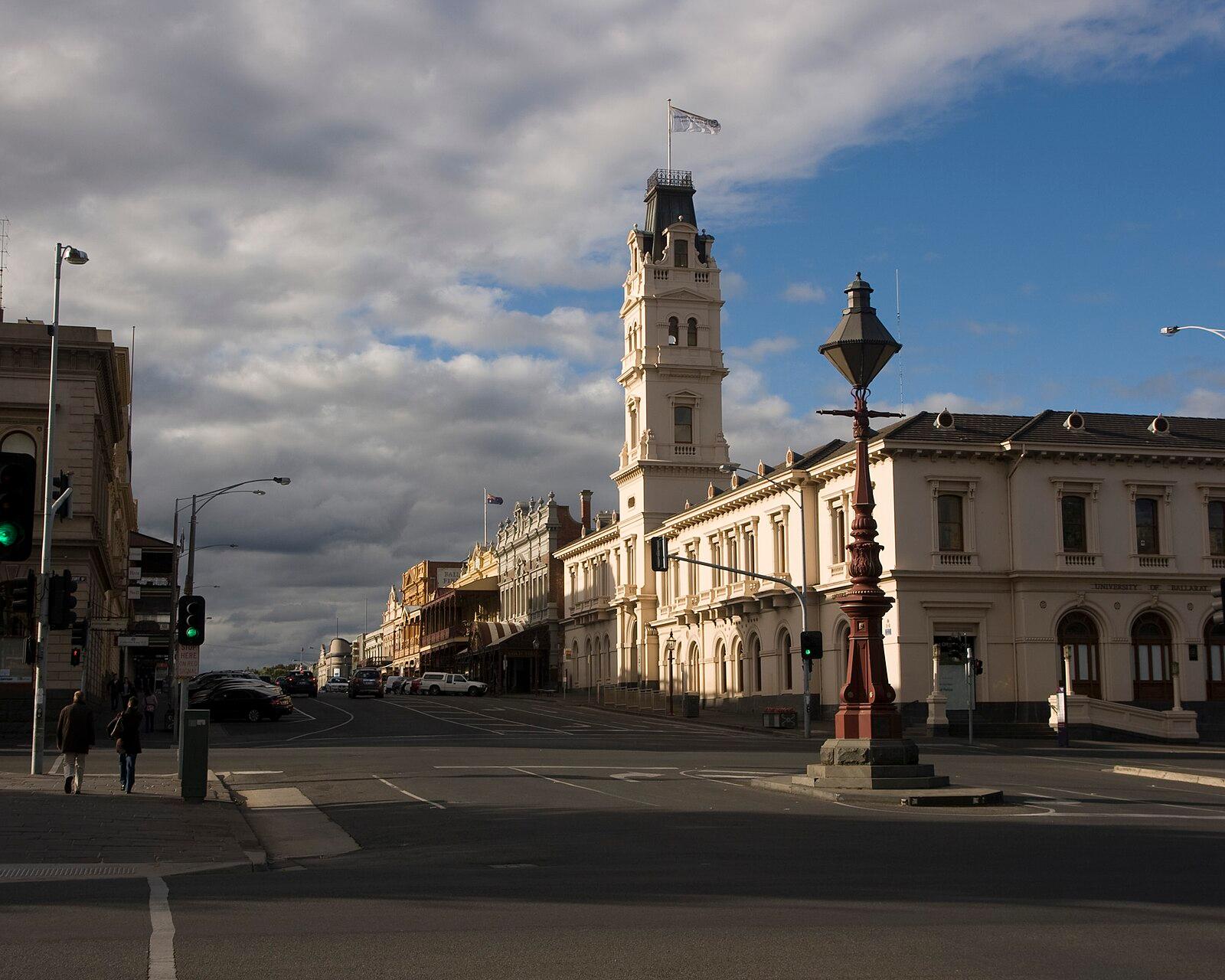
The coffee at Brunswick Collective on Mair Street tastes better on a Tuesday morning when the property market news hits. That's not sentiment talking-it's what happens when young couples realise they can buy a character-filled weatherboard house in East Ballarat for the price of an apartment deposit in Melbourne.
Ballarat's property market has shifted noticeably since early 2026. With first-home buyer confidence shaken across Australia and regional centres gaining traction, the city's established neighbourhoods are attracting serious attention from people who've spent years priced out of the capitals. But which suburbs actually deliver on the lifestyle promises, and where do locals steer newcomers away from the glossy marketing?
Ask anyone who's lived through a Ballarat winter what matters and you'll hear the same things repeatedly: walkability to the centre, proximity to decent schools, and honest answers about what your money actually buys. The people who've made it work know the difference between a neighbourhood with bones and one still hunting for an identity.
East Ballarat and Arch Street: where character meets practicality
The tree-lined streets between Lydiard Street and Arch Street have become the city's quiet achiever. Locals consistently mention East Ballarat when asked where they'd buy again, citing the short walk to Lake Wendouree, proximity to Ballarat Grammar, and the fact that a well-renovated 1920s cottage still costs less than $650,000. One person working at the Ballarat Heritage Precinct noted the neighbourhood's advantage bluntly: you're close enough to walk to work at the city's cultural institutions, but far enough that you don't hear the foot traffic on Sturt Street.
Arch Street itself has transformed in the past three years. The emergence of independent retailers-a bookshop, a hardware store run by the same family since 2003-gives the strip character that chain precincts lack entirely. The train station sits five minutes' walk from Arch Street's retail heart, making commuting to Melbourne viable for anyone working two or three days weekly.
Sebastopol, directly west across Drummond Street, offers similar housing stock at slightly softer prices. Locals describe it as East Ballarat's younger cousin-slightly less established, fractionally more affordable, with the same walkable advantages. The Sebastopol Community House runs programs that actually generate foot traffic, not just good intentions.
The data behind the neighbourhood shift
Ballarat's vacancy rate sits at 0.8%, according to the most recent Real Estate Institute of Victoria figures. That's tight. It means neighbourhoods with rental appeal-anything within walking distance of Federation University or the hospital precinct-hold value differently than outer suburbs. Suburbs like Nerrina and Wendouree offer cheaper entry points, typically $150,000 to $200,000 below Arch Street equivalents, but locals consistently note the trade-off: longer commutes to the CBD, fewer walkable services, and less established community infrastructure.
The school catchment question shapes decisions more than newcomers expect. Families researching Ballarat almost always ask about Ballarat High School's reputation and the private options, but locals say the question worth asking is proximity to the Ballarat Community Health Service and the medical precinct near the hospital-if a neighbourhood sits close to existing services, property values hold steadier through economic cycles.
Someone working at the Ballarat Bicycle User Group mentioned something revealing: the amount of cycling infrastructure influences neighbourhood perception more than most marketing recognises. The rail trail extensions completed in 2024 increased property demand in adjacent suburbs by making transport genuinely optional rather than aspirational.
Before signing anything, locals suggest spending time in a neighbourhood at 7 a.m. on a weekday and again at 6 p.m. Talk to people walking dogs on the street. Ask what a schoolteacher or nurse actually thinks about living there. The best neighbourhoods in Ballarat aren't the ones with the slickest real estate photography-they're the ones where people choose to stay.