Culture
Food Culture Shapes Ballarat's Creative and Cultural Identity
From the heritage-rich eateries of Sturt Street to new culinary initiatives, Ballarat's food traditions are integral to its evolving arts and culture scene.
3 min read
Culture
From the heritage-rich eateries of Sturt Street to new culinary initiatives, Ballarat's food traditions are integral to its evolving arts and culture scene.
3 min read
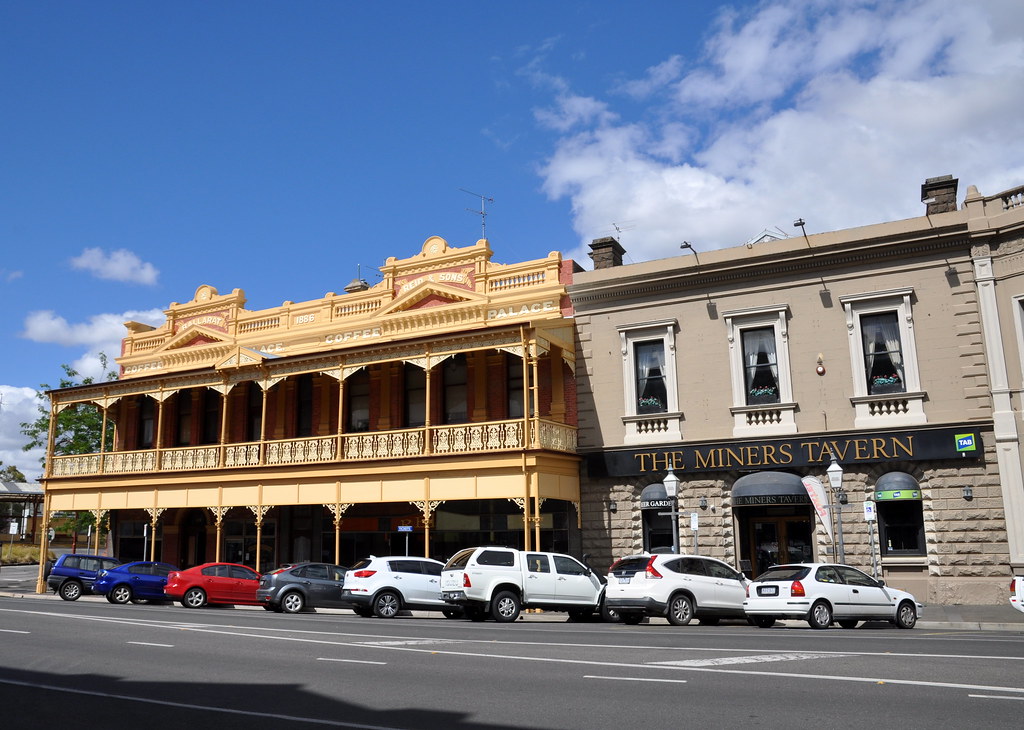
Ballarat’s food culture is rapidly becoming a defining element of the city’s creative and cultural identity, with local culinary traditions and innovative dining experiences drawing increasing attention from residents and visitors alike.
This heightened focus on food coincides with Ballarat’s strategic push to position itself as a cultural hub beyond its renowned Gold Rush heritage. As Ballarat diversifies its creative offerings, gastronomy has emerged as a vibrant domain where history, community, and contemporary art forms converge. With the city’s population now exceeding 120,000, a fresh appetite for food stories tied to place and tradition underscores why culinary culture matters here now.
Sturt Street, Ballarat’s main artery, hosts a range of beloved establishments like The Forge Pizzeria and The Provincial Restaurant, where menus draw inspiration from local produce and Aboriginal food traditions, reflecting the city’s layered history. Meanwhile, the Ballarat Begonia Festival has recently added a food precinct showcasing native ingredients, reinforcing connections between seasonal, sustainable agriculture and cultural celebration.
The Ballarat Food Collective, a community organisation formed in 2024, has also played a pivotal role in nurturing local culinary talent. By offering workshops, food tours, and pop-up events across the city’s neighbourhoods, including Wendouree and Bakery Hill, the Collective champions both traditional recipes and modern fusion dishes as part of Ballarat’s broader cultural expression.
Statistics illustrate this cultural shift. Tourism Victoria reports a 15% increase in visits to Ballarat’s food-focused festivals between 2024 and 2025, with food experiences ranked among the top three reasons travellers cite for returning. Locally, Ballarat City Council data shows that the number of food and hospitality businesses has grown by 12% since 2023, with average restaurant prices stabilising around $40-$50 per main course, indicating a balanced market accessible to a broad demographic.
Market stalls such as those at the Ballarat Farmers Market, held every Saturday at the Town Hall Precinct, highlight the growing consumer interest in artisanal products and ethical sourcing, fostering a community-centric food culture. This backdrop of economic and cultural dynamism cements food’s role in shaping Ballarat’s contemporary identity.
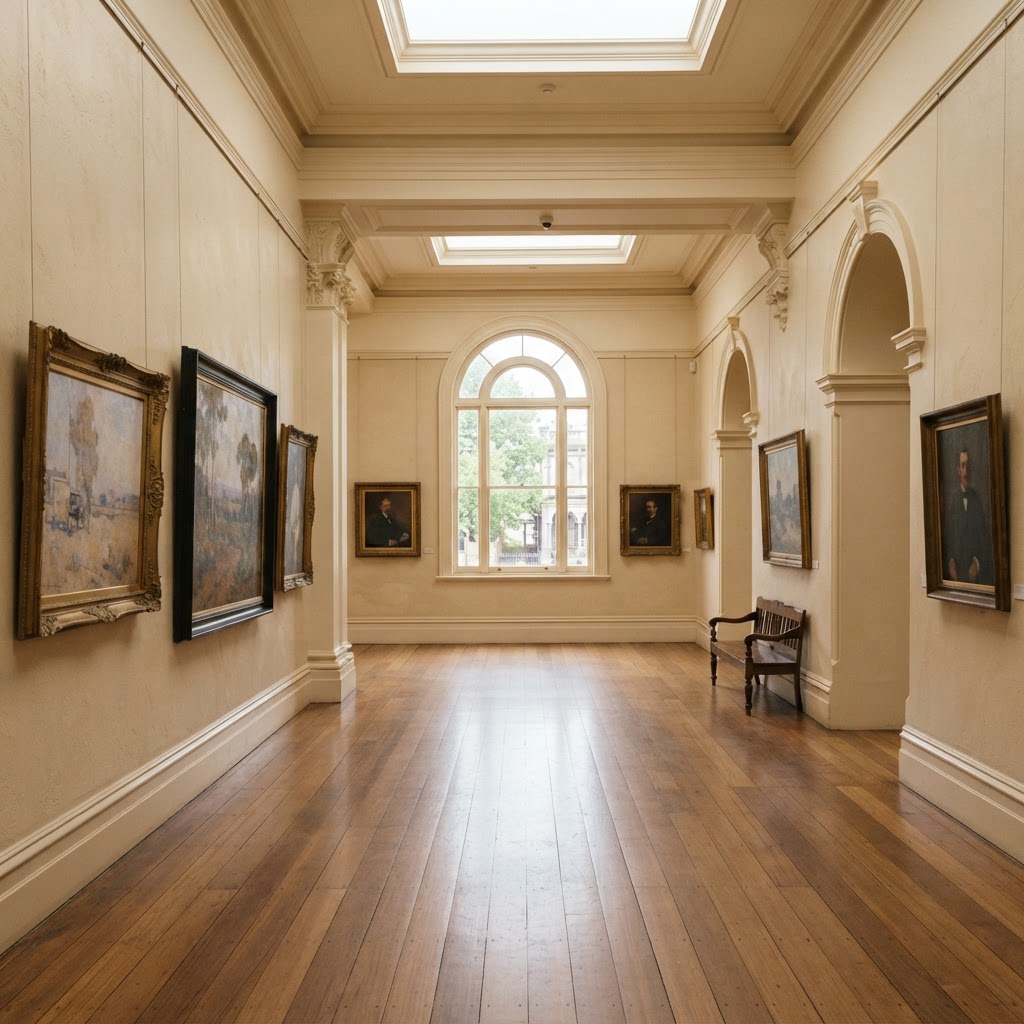
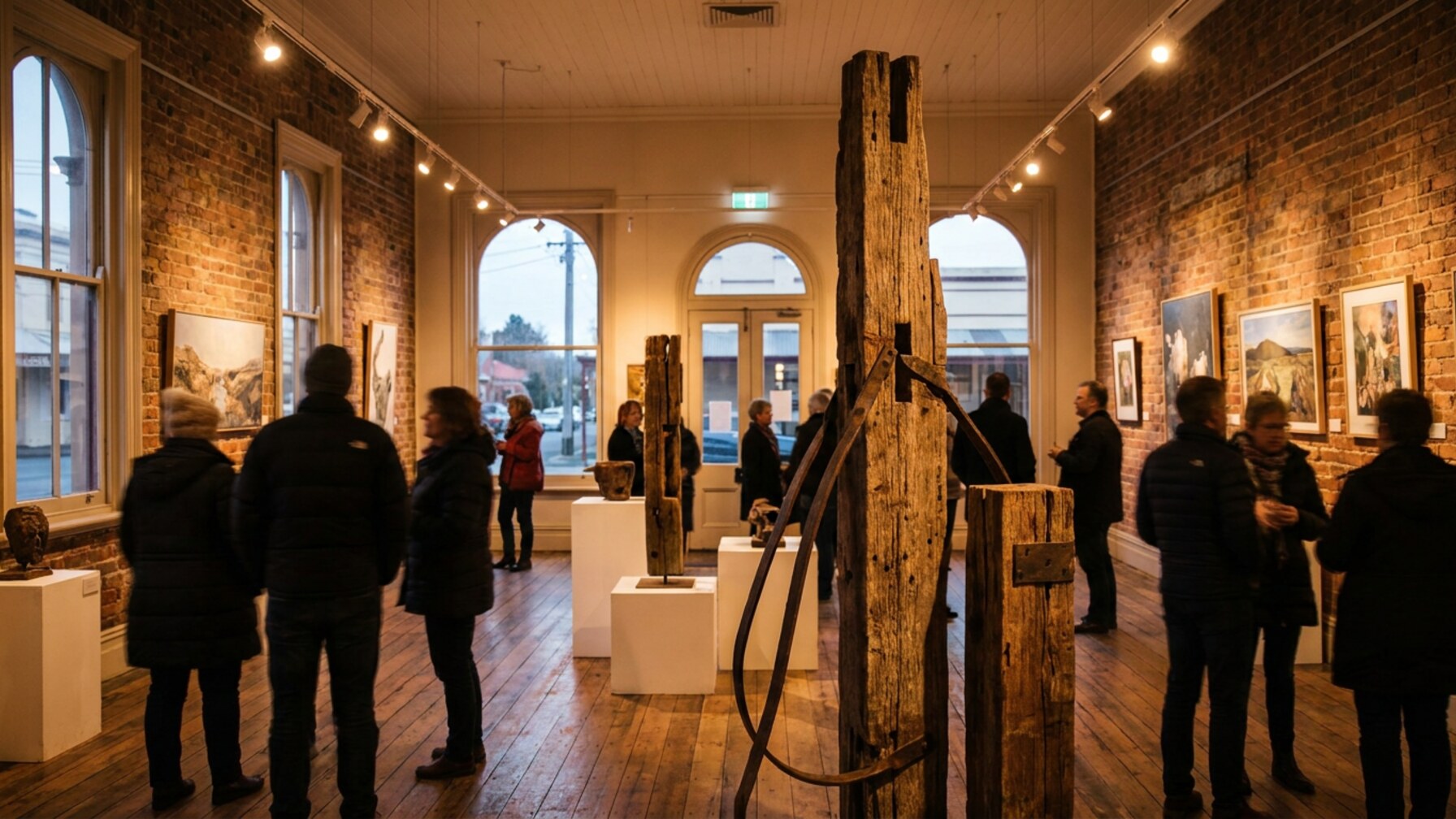
Looking ahead, collaborations between artists, chefs, and historians promise exciting developments. The planned launch of the Food & Art Trail in late 2026 aims to integrate culinary experiences with exhibitions at the Art Gallery of Ballarat and local studios on Doveton Street, inviting audiences to explore how food influences visual and performance arts. For residents, embracing these emerging opportunities offers new ways to engage with their city through taste and tradition.
Culture

Culture
Culture
Culture
Culture

Culture
About this articleBeta
Published by The Daily Ballarat
Spread the word
Daily brief
Free, in your inbox before 7am. Weekdays.
The Daily Network — local news across Australia