Ballarat's first Winter Light Festival opens on 24 July, and the story of how it got here is less about fairy lights and more about flood-prone car parks, heritage-listed bluestone sheds, and a core team who spent two years persuading council that the city's shortest days are its best canvas.
From disused wool store to immersive gallery
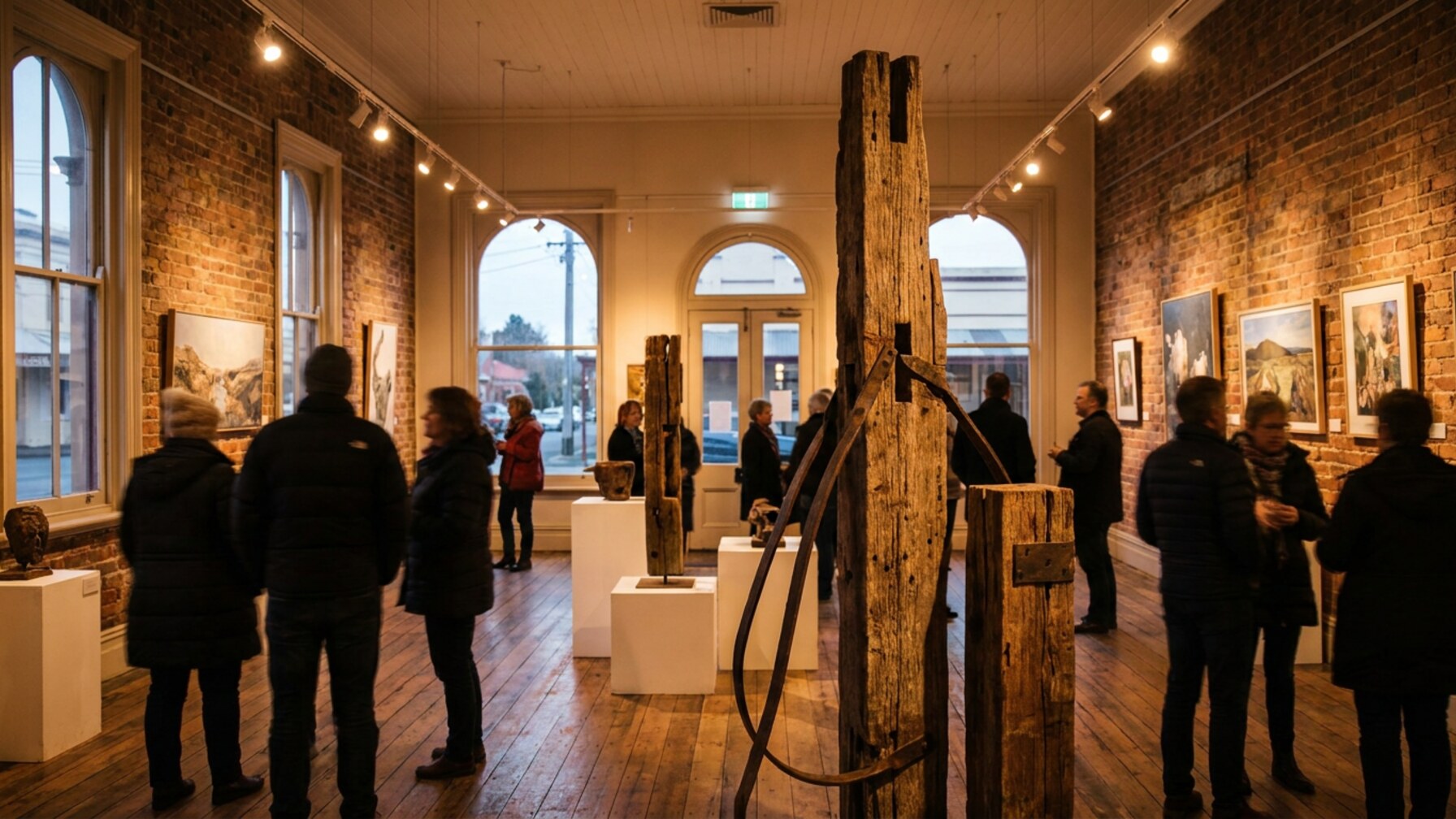
The festival's anchor venue is the old John Bridge & Sons wool store at 46 Mair Street, a corrugated-iron-and-bluestone building that had been empty since 2020. City of Ballarat cultural planner Anika Singh spent 14 months negotiating with the building's owner, the Perceval Group, to secure a free three-year lease. The space will host seven of the 14 commissioned installations, including a 30-metre-long projection mapping work by the Ballarat-based collective LightLab that tracks the region's gold rush history through archival weather data.
Other sites include the Sturt Street gardens, where the Festival of Australian Student Films (FASF) will project a curated program of 22 short films onto the old bandstand, and the pedestrian mall in Bridge Mall, where artist-in-residence Elena Zhao has installed a sound sculpture that reacts to the footsteps of passersby using microphones embedded in the paving stones.
“The cold was the biggest problem,” Singh told The Daily Ballarat in an interview last week. “We originally wanted to run outdoor projections until midnight, but the equipment kept freezing by 9:30pm. So we moved the longest mapping piece indoors and designed the outdoor trail as a shorter, more intense loop.”
$285,000 and a weather dashboard
The festival's total budget is $285,000, sourced from a $120,000 grant from Creative Victoria's Regional Events Fund, a $95,000 contribution from the City of Ballarat, and $70,000 in in-kind support from local businesses including the Ballarat Symphony Orchestra (which supplied 40 musicians for the opening night score) and Linton's on Lydiard Street, which is donating catered meals for the volunteer crew of 18.
Ticket prices are deliberately low: $15 for adults, $5 for children under 12, and free for anyone holding a Ballarat pensioner concession card. Singh estimates a total attendance of between 8,000 and 12,000 across the 10-day run. The festival runs from 24 July to 2 August, with the core nightly display times between 6:30pm and 9:30pm. The Bridge Mall sound sculpture runs continuously from dawn to dusk.
One statistic that shaped the program: Ballarat averages 12.3 days of rain in late July, according to Bureau of Meteorology data from the Ballarat Airport station. Two of the outdoor installations, Zhao's sound piece and a kinetic sculpture by the group Wired Ballarat that uses weighted pulley systems, have been fitted with waterproof casings. The projection mapping in the Mair Street venue is fully roof-covered.
“We built a live weather dashboard that the production manager checks every hour from 4pm onwards,” Singh said. “If the forecast shows more than 60 per cent chance of rain, we switch one outdoor projection to a backup indoor loop in the old wool store.”
What happens next, and how to see it
The festival opens on Friday 24 July with a procession from the Ballarat Railway Station down Mair Street to the wool store, led by the percussion group Stomp Lab. No bookings are required for the opening procession, but tickets for the Mair Street installations can be purchased through the City of Ballarat's event website from 14 July. The organisers are already planning a second edition for 2027, with discussions underway for a site at the former Ballaarat Mechanics' Institute on Lydiard Street North.
Singh hopes the festival will become a permanent fixture: “After two years of planning, I just want to see people walking through the wool store and looking up at the ceiling. That's when you know it's real.”