Ballarat’s theatre scene didn't start with a curtain call. It began with a tent.
In 1854, while miners dug for gold along the Yarrowee River, a troupe of actors pitched a canvas performance space near what is now Sturt Street. That makeshift stage, the city's first documented theatre, launched a cultural lineage that, 172 years later, draws 45,000 patrons annually to more than 300 live productions across the municipality.
From Her Majesty's to the Mining Exchange
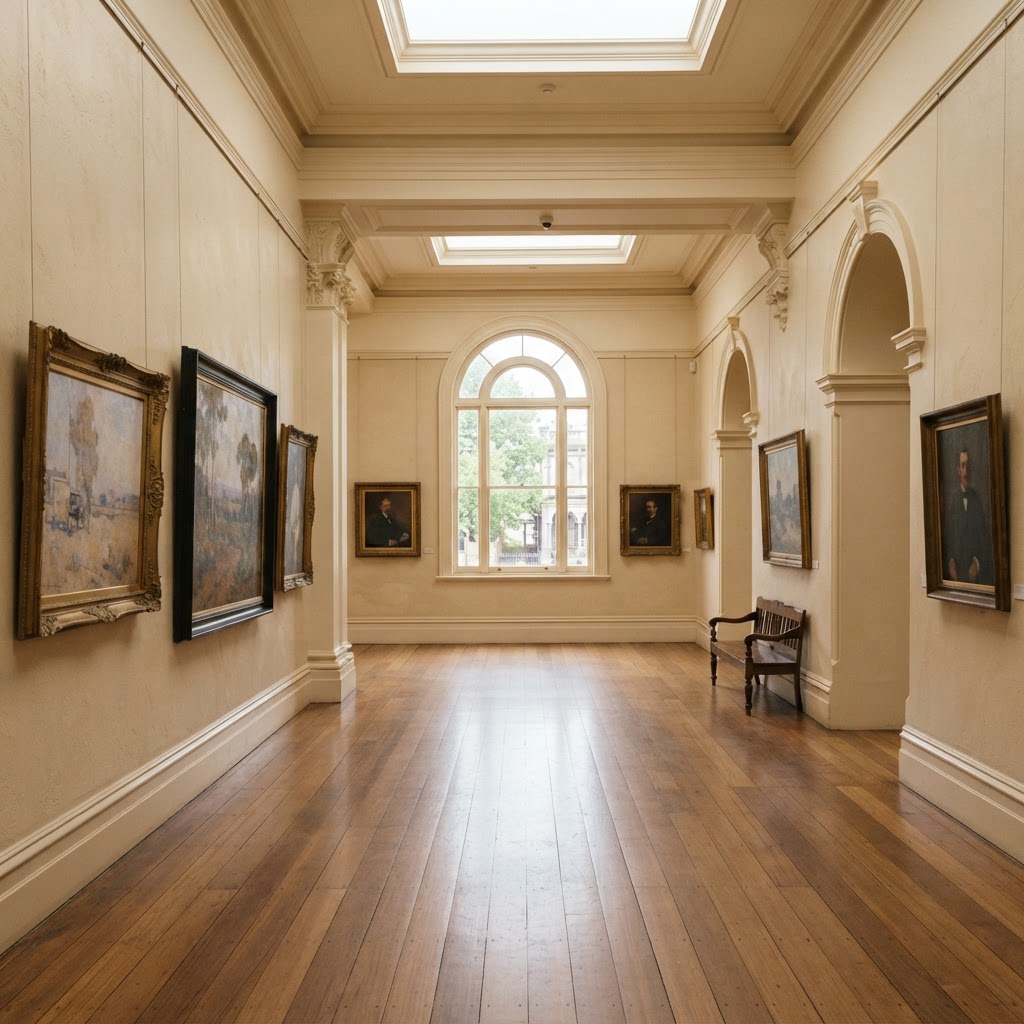
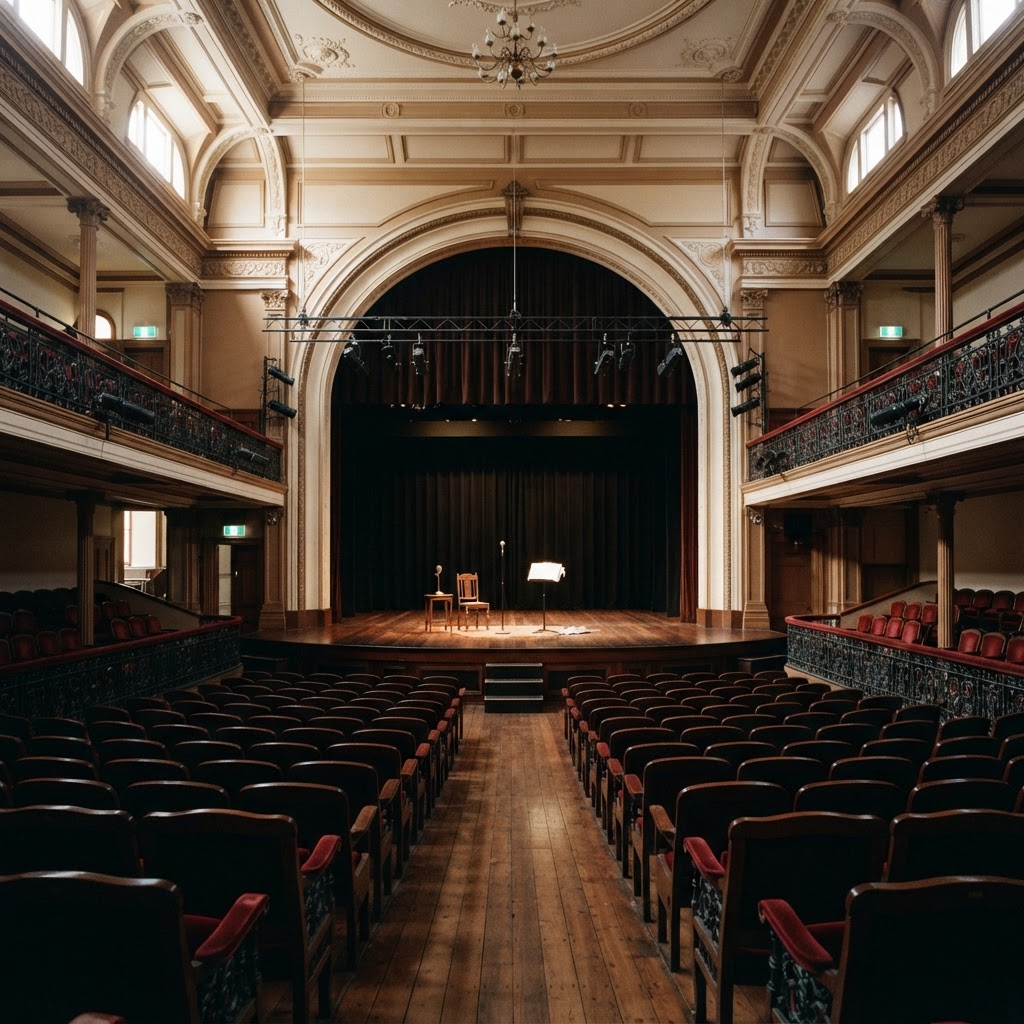
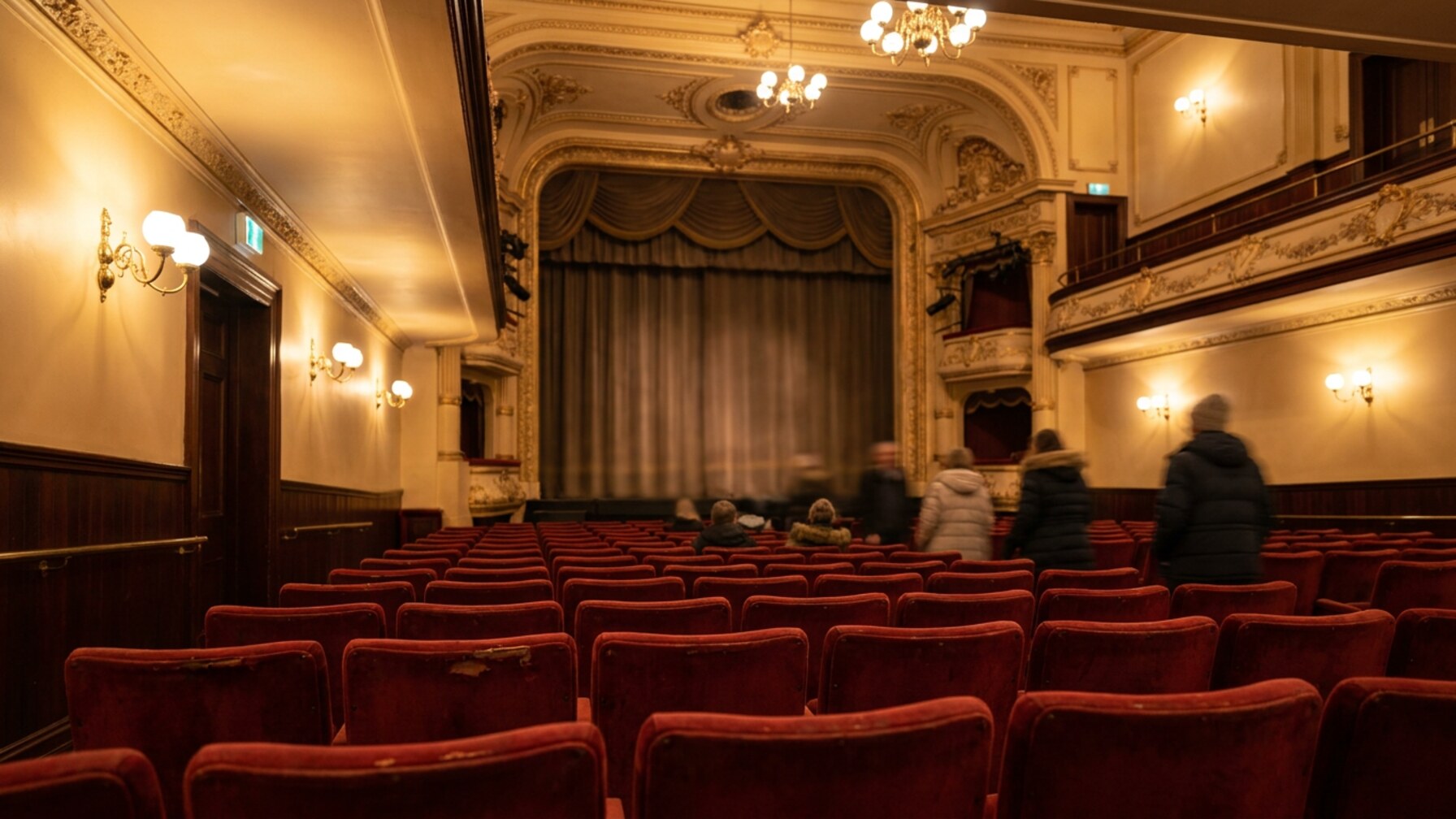
The cornerstone of that ecosystem remains Her Majesty's Theatre, the 920-seat heritage venue on Lydiard Street. Built in 1875 as the Academy of Music, it has hosted everyone from Dame Nellie Melba to the Australian Ballet. A $12.4 million restoration completed in 2019 added state-of-the-art acoustics and accessible seating, but preserved the original 1875 gilded ceiling and the four-tiered auditorium.
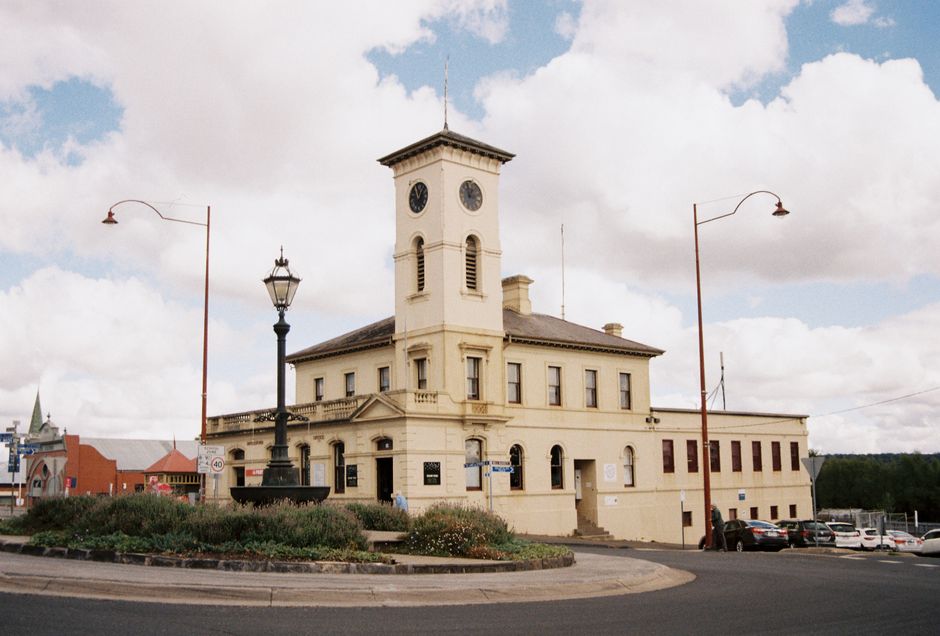
Just three blocks south, the Mining Exchange on Lydiard Street South has been reborn as a 450-seat black-box theatre since 2022. The venue, originally a stock exchange for gold companies, now houses Ballarat Theatre Players, the city's oldest amateur company, founded in 1922. The group stages six productions a year, from Shakespeare to contemporary Australian works, with tickets averaging $28.
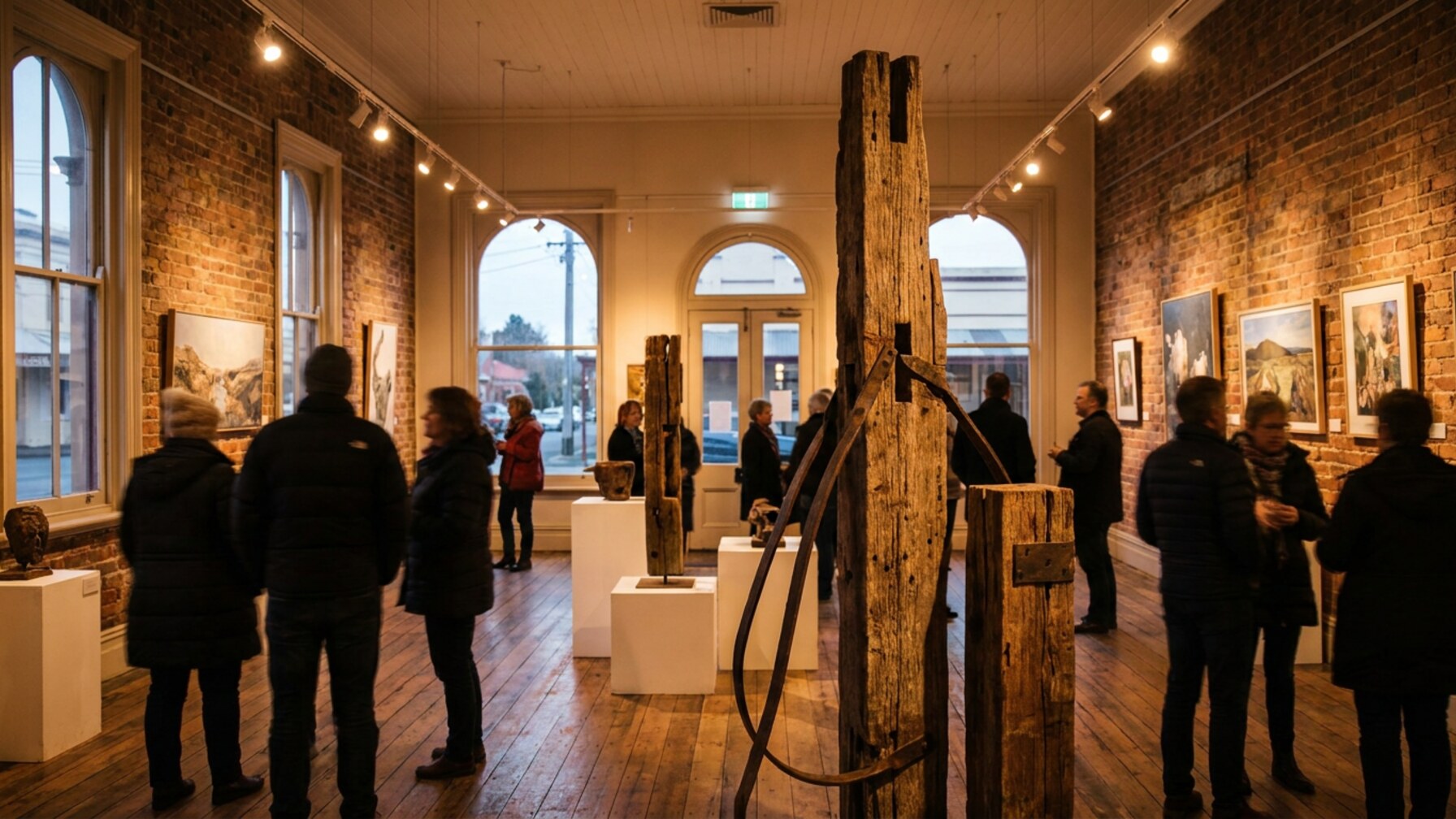
Ballarat's independent scene clusters around two hubs. The Foundry Theatre in the former Union Sawmill on Mair Street opened in 2018, offering a 120-seat flexible space that has become a home for emerging directors. Its 2025 season sold 94 per cent of available seats, according to the venue's annual report. The Ballarat Lyric Theatre Company, operating from the Whitehorse Centre on Albert Street since 1964, mounts three musicals annually, with a 2025 production of Little Women grossing $112,000 across seven performances.
Why it matters now
The timing of this evolution is not accidental. A 2026 report by Regional Arts Victoria found that performing arts attendance in the City of Ballarat grew 19 per cent between 2022 and 2025, faster than in any other regional municipality. The population surge, Ballarat added 8,000 residents between 2021 and 2025, according to the Australian Bureau of Statistics, has brought both audience demand and a new cohort of artists.
Ballarat's university arts program at Federation University Australia has also fed the pipeline. The university's Bachelor of Performance program, based at the Camp Street Campus, now enrolls 64 students, up from 42 in 2020. Graduates staff the local theatres, stage their own work at the annual Ballarat Fringe Festival (now in its 12th year), and occasionally decamp to Melbourne.
But the city's live performance history offers an instructive counterpoint. The original gold-rush tent lasted only three seasons before a fire destroyed it in 1857. The grand opening of Her Majesty's Theatre in 1875 was nearly cancelled when the builder went bankrupt mid-construction. The Mining Exchange sat empty and decaying for a decade before its 2022 renovation.
Survival, it seems, is part of the script.
Looking ahead, the City of Ballarat plans to release a 10-year cultural infrastructure strategy in November 2026. Early drafts, released for public consultation in March, propose a new 300-seat mid-scale theatre on the site of the old Ballarat Civic Hall on Sturt Street. The projected budget: $18 million, with construction to begin in 2028.
Until then, the city's 200-plus registered performing artists will keep working with what they have. The Mining Exchange's next production, a revival of David Williamson's The Club, opens August 7. Tickets are $29.90, a price that would have bought a miner his supper and a tent seat back in 1854.