Ballarat's Lydiard Street now draws food pilgrims from Melbourne and beyond, but the story of how it got that way has never been properly told. Until now.
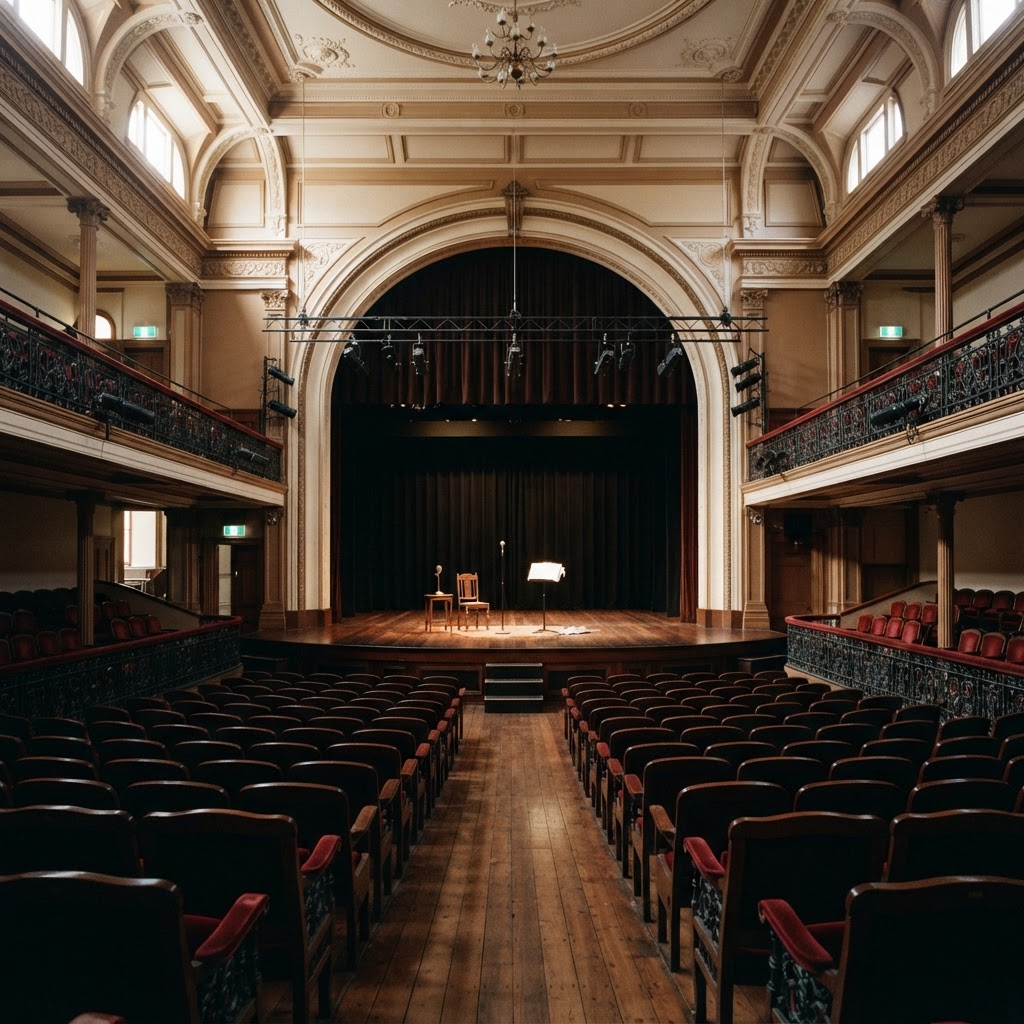
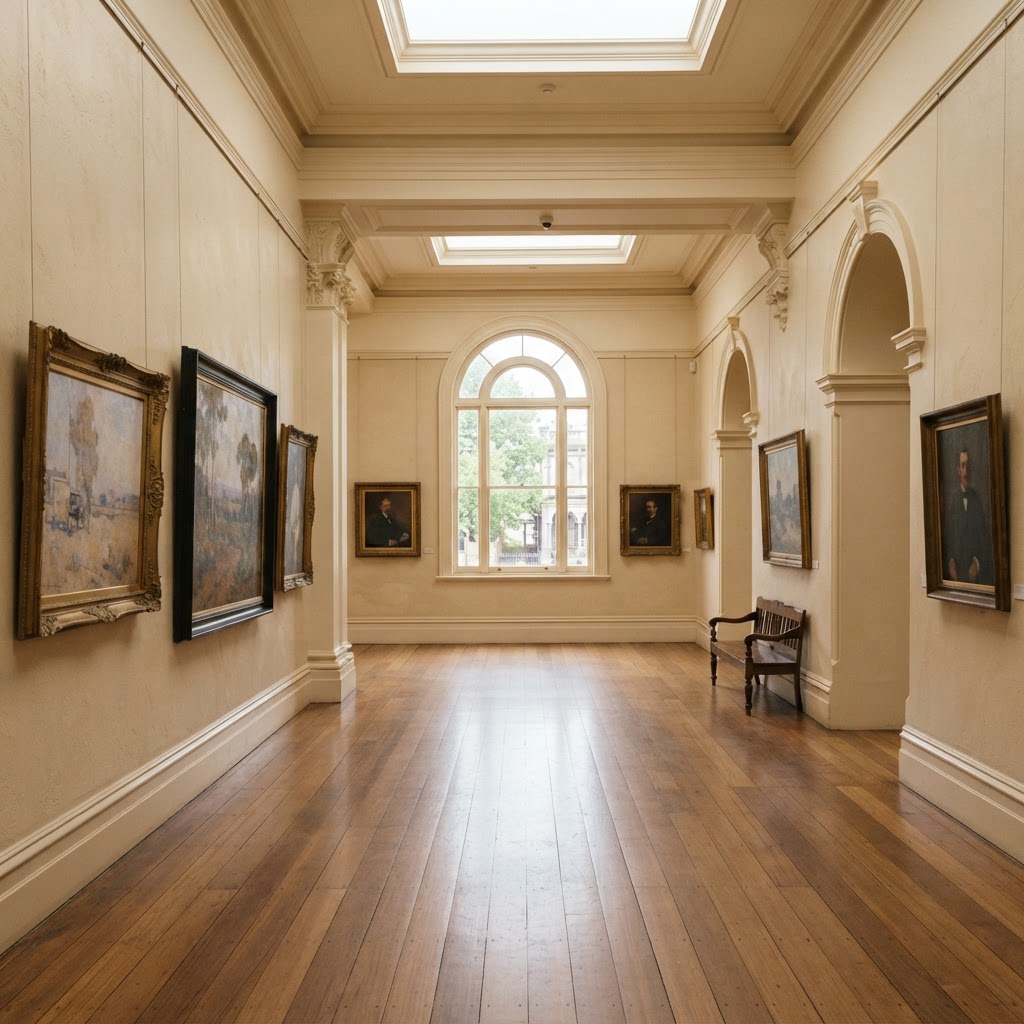
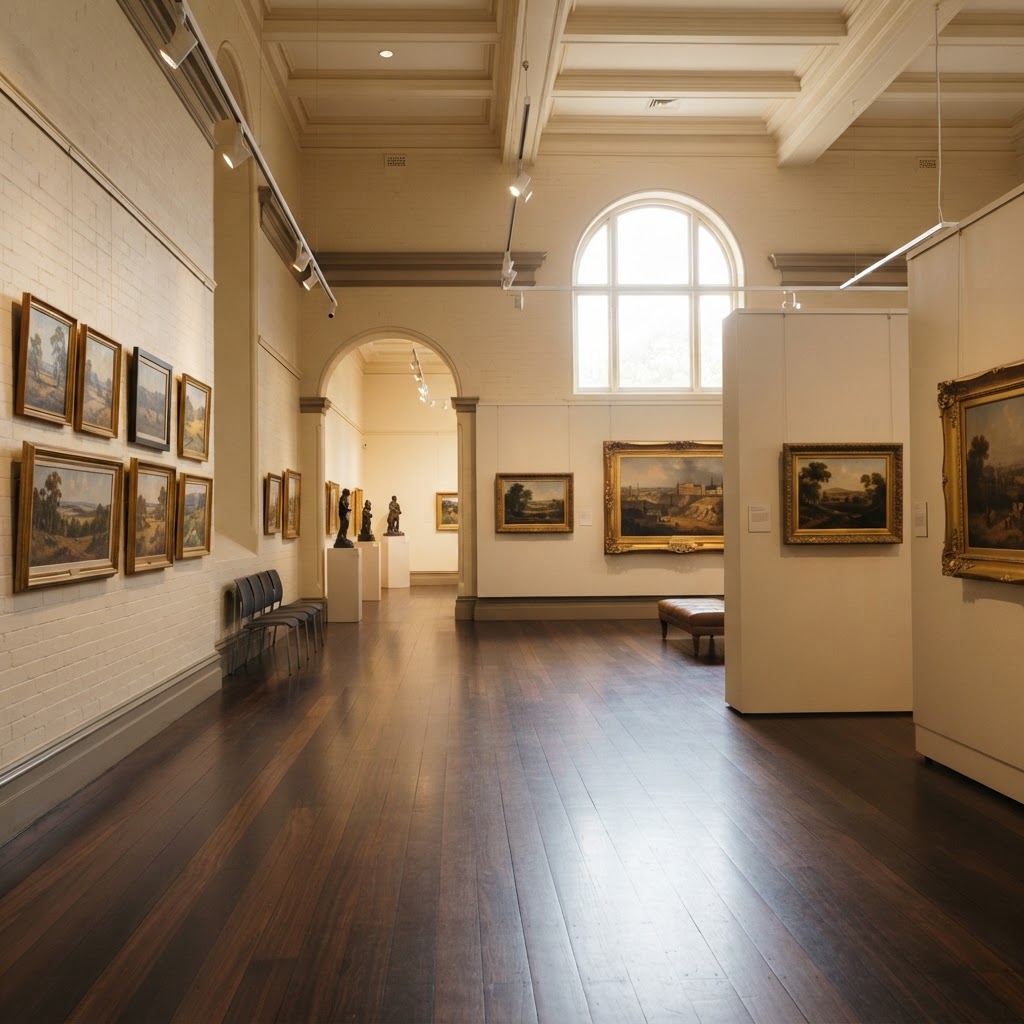
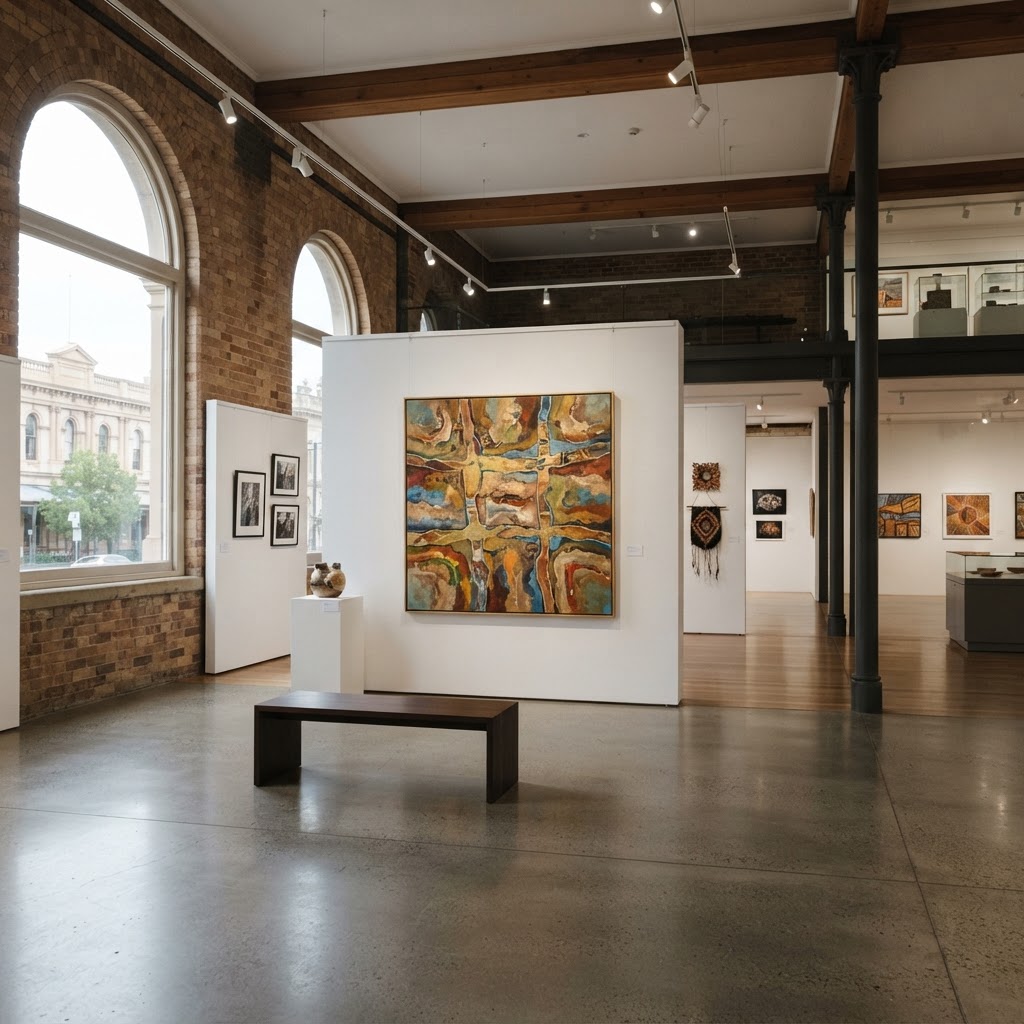
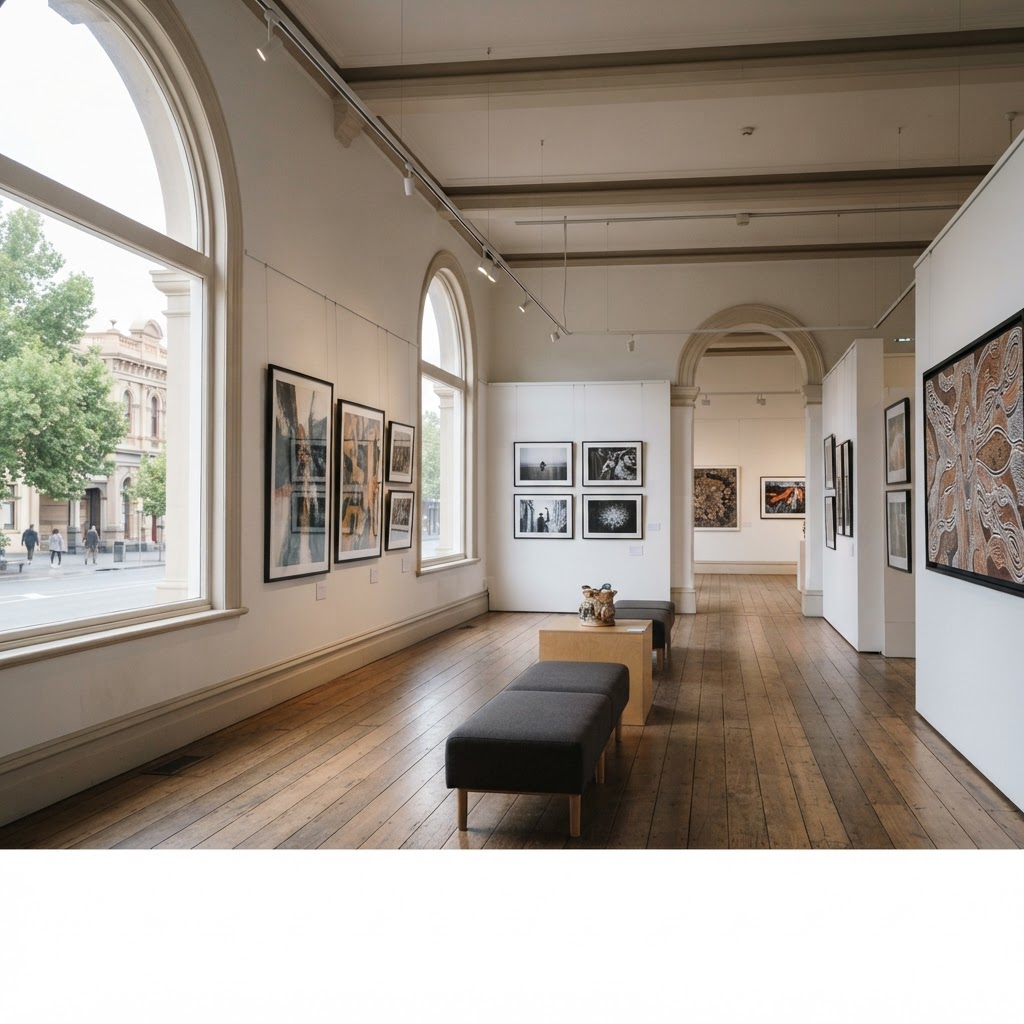
A six-month oral history project, led by the Ballarat Heritage Centre in partnership with Federation University Australia, has recorded more than 40 interviews with the people who transformed the precinct between 2012 and 2026. The first public exhibition of transcripts and recordings opens this Thursday at the Mining Exchange building.
The project matters because Lydiard Street’s rise mirrors a broader shift in regional Australian food culture. In 2012, the block between Sturt and Mair streets had two cafés and a takeaway fish shop. Today it has 14 independent eateries, three of them listed in the Australian Good Food Guide’s regional top 50. The change didn’t come from a council master plan or a developer’s cheque. It came from a handful of individuals who took risks on empty shopfronts.
The butcher, the baker and the pastry maker
According to the project’s lead researcher, Dr. Eliza Tran, the turning point came in 2013, when former Melbourne pastry chef Daniel Kostov opened Koko Patisserie at 24 Lydiard Street North. Kostov had trained at Philippe Gonet in Sydney and spent two years at Burch & Purchese in Fitzroy. He chose Ballarat because rent was $350 a week, one-tenth of what he would have paid in Collingwood. “He told us he slept on a mattress in the back for the first six months,” Tran said in a statement released with the project’s summary report.
Then came the dominoes. Matt and Louise Wightman opened The Forge Pizzeria at 117 Lydiard Street South in 2015, installing a wood-fired oven they built themselves from refractory bricks sourced from a closed brickworks in Wendouree. In 2017, former dairy farmer Samara D'Souza launched Mercado del Lago at 54 Lydiard Street North, a Spanish-inspired deli that now turns over $1.2 million annually, according to its 2025 business filing with the Australian Securities and Investments Commission.
The project also captures the less glamorous side of the transformation. Several interviewees described near-bankruptcy in the first two years. One restaurateur, who asked to remain anonymous, recalled selling his car to meet payroll in the winter of 2016. The average survival rate for new restaurants in Ballarat is 58 percent after three years, according to data from the City of Ballarat’s economic development unit, roughly in line with the national average for regional hospitality businesses.
The farmers who made it possible
None of it would have worked without a parallel shift in local supply chains. The Ballarat Farmers’ Market, held on the first and third Saturday of each month in the Alfred Deakin Place car park, grew from 12 stalls in 2010 to 74 stalls in 2025, according to market manager figures provided to the project. The Wednesday morning wholesale auction at the Ballarat Livestock Exchange now sees 30 percent of its lamb and beef purchased by local restaurateurs, up from 8 percent a decade ago.
“Chefs couldn’t source the quality they needed in town ten years ago,” Tran said. “They had to buy from Melbourne wholesalers. Now they can walk down the street to a producer they know by name.”
The project’s public exhibition runs at the Mining Exchange, 12 Lydiard Street South, from July 16 to August 30. Entry is free. A companion podcast series will launch on August 1, available through the Ballarat Heritage Centre website. For those who want to taste the history themselves, a self-guided walking tour map, available at the centre, lists all 14 current Lydiard Street food venues, with notes on the story behind each one.