Ballarat leads regional Victoria in rooftop solar adoption and battery storage
The city has the highest rooftop solar penetration of any regional Victorian city, with 42 per cent of homes fitted.
How we report this▾
Our reporters are based in Ballarat and cover local government, business and community. We are independently owned and editorially independent. Read our editorial standards →
By Ballarat Daily · Published 28 May 2026 at 11:34 pm · 2 min read ·
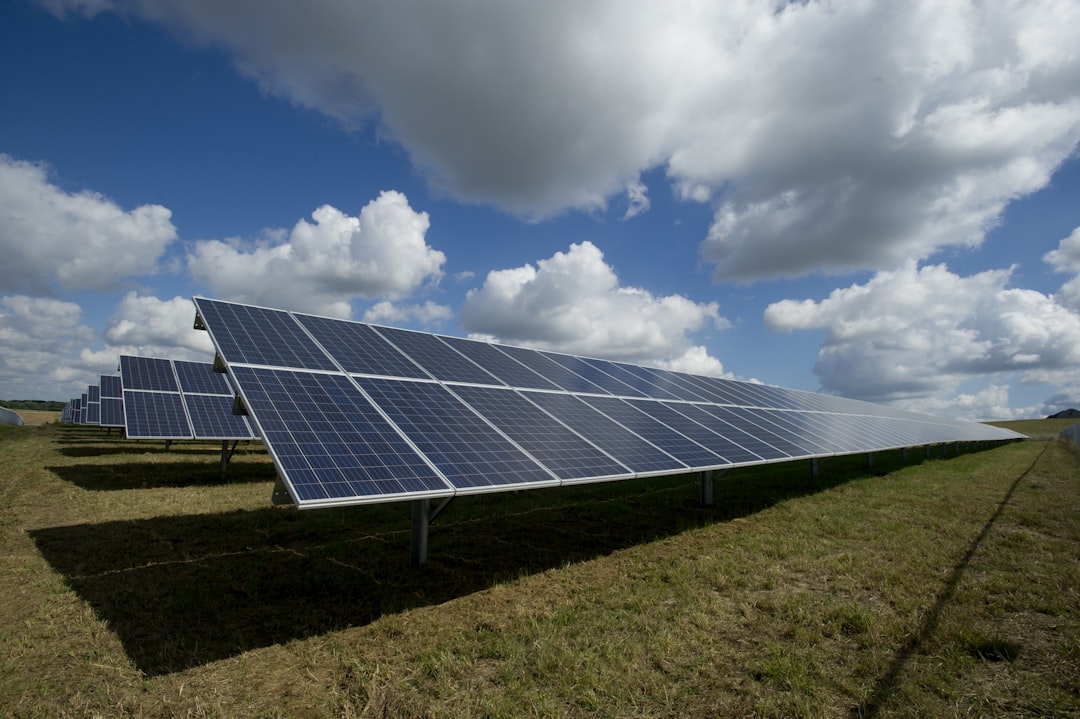
Ballarat has the highest rate of rooftop solar adoption among regional Victorian cities, with 42 per cent of residential properties now fitted with photovoltaic systems — a penetration rate that exceeds the Victorian state average and reflects the combination of favourable economics, strong local solar installer networks, and council advocacy that has made solar adoption the norm in Ballarat's residential market.
The solar industry itself has become a significant local employer, with an estimated 380 people working in solar installation, maintenance, and battery storage services in the Ballarat region. Three Ballarat-based solar installation companies have grown from sole-trader operations to businesses employing 20 or more tradespeople, reflecting the scale of the installation market that has developed over the past seven years.
Battery storage adoption is accelerating significantly, driven by falling battery costs and growing consumer appetite for energy independence during the periods of grid instability that have affected Ballarat and the surrounding region in recent summers. The Central Highlands electricity distribution network has recorded declining residential peak demand for three consecutive years — an unusual pattern for a growing city — that the network operator attributes primarily to rooftop solar and battery storage uptake.
Ballarat City Council has set a target of 50 per cent rooftop solar penetration by 2028 and is running a community battery initiative that will place shared battery storage systems in residential precincts where roof ownership structures limit individual solar uptake. The first community battery — a 500 kWh system in a high-density residential area near the CBD — is scheduled for installation this year.
This article was compiled by AI from the sources linked above and screened before publishing. See our editorial standards.