Business
Global Market Shifts Impact Ballarat’s Business Landscape
International economic trends are reshaping local opportunities and challenges for Ballarat’s diverse industries.
3 min read
Business
International economic trends are reshaping local opportunities and challenges for Ballarat’s diverse industries.
3 min read

Ballarat's business community is feeling the impact of shifting global market conditions, with supply chain disruptions and commodity price fluctuations leading to increased costs across local sectors.
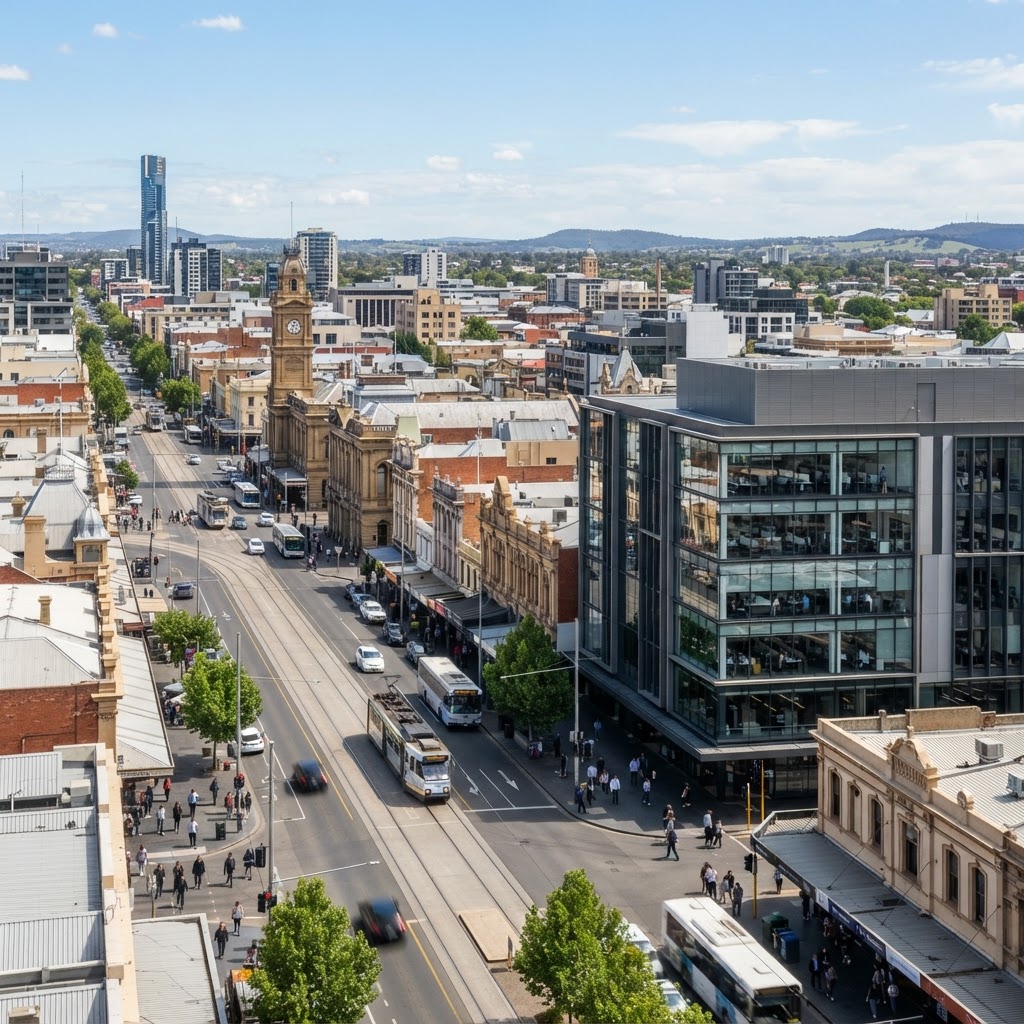
These global trends matter now because the post-pandemic economic recovery is encountering fresh shocks, including tightening trade policies in Asia and volatile energy prices due to geopolitical tensions. For Ballarat, a city that blends manufacturing, agriculture, and tourism, this means navigating rising expenses and reassessing strategies to maintain growth.
In Ballarat’s manufacturing hub on Howitt Street, several firms have reported longer lead times and higher costs for imported components. Ballarat Engine Components, a family-owned business competing in regional and international markets, has noted spikes in steel prices-up nearly 15% since early 2026-complicating budgeting forecasts.
Meanwhile, in the agricultural sector, Ballarat Livestock Exchange on Peel Street is witnessing shifts in export demand linked to currency fluctuations and tighter biosecurity regulations overseas. Farmers and local processors are expressing cautious optimism, balancing strong domestic meat consumption against uncertainties in Asian markets.
The Tourism Ballarat organisation, overseeing marketing efforts for attractions such as Sovereign Hill and Lake Wendouree, has also adjusted its campaigns. They are targeting closer-to-home visitors, responding to subdued international travel driven in part by increased airfare costs and visa policy changes in key source countries.
According to the Ballarat Region Economic Development Board’s mid-year report, local manufacturing input costs have risen by an average of 8.7% in the six months ending June 2026. Additionally, Ballarat’s retail sector sales dropped 3% year-on-year in May, attributed partly to consumer caution amid broader inflationary pressures.
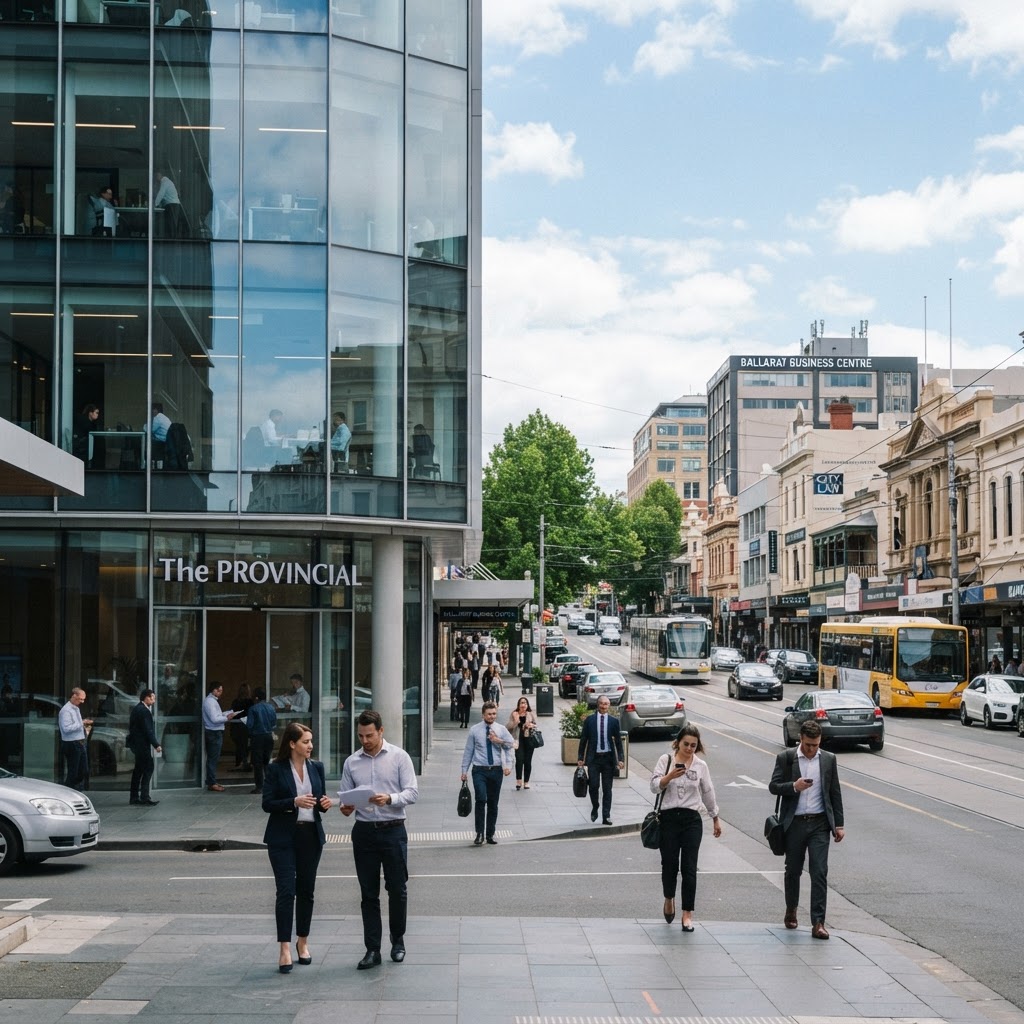
The region’s unemployment rate remains stable at 4.2%, but job vacancies have slowed, with employers at the Ballarat Business Centre on Lydiard Street citing difficulty in passing increased costs through to customers without losing competitiveness.
These figures underscore how intertwined Ballarat’s economy is with international trade dynamics, energy pricing, and capital flows beyond the city limits.
Local businesses are advised to enhance supply chain resilience by diversifying suppliers and exploring digital tools for inventory management. Stakeholders also emphasize strengthening collaboration between manufacturers, logistics providers, and regional government agencies to better anticipate market shifts.
As Ballarat heads into the second half of 2026, businesses here face a landscape where global upheaval meets local ambition. How well-placed firms are to adapt to external pressures will define the city's economic trajectory in the year ahead.

Business
Business
Business
Business

Business
Business
About this articleBeta
Published by The Daily Ballarat
Spread the word
Daily brief
Free, in your inbox before 7am. Weekdays.
The Daily Network — local news across Australia