Business
Economic indicators and investment flows explained clearly in Ballarat’s 2026 update
Key local statistics and investment trends highlight Ballarat’s business environment amid changing national conditions.
3 min read
Business
Key local statistics and investment trends highlight Ballarat’s business environment amid changing national conditions.
3 min read
Ballarat’s economy shows signs of steady growth in the first half of 2026, buoyed by increased investment in infrastructure and a rising local job market, according to the latest data from the City of Ballarat Economic Development Office.
Understanding these economic indicators matters now as Ballarat navigates uncertain national economic conditions, including fluctuating commodity prices and shifts in government funding priorities. Local businesses and investors are watching closely to gauge whether the city can maintain its momentum in attracting capital and supporting employment.
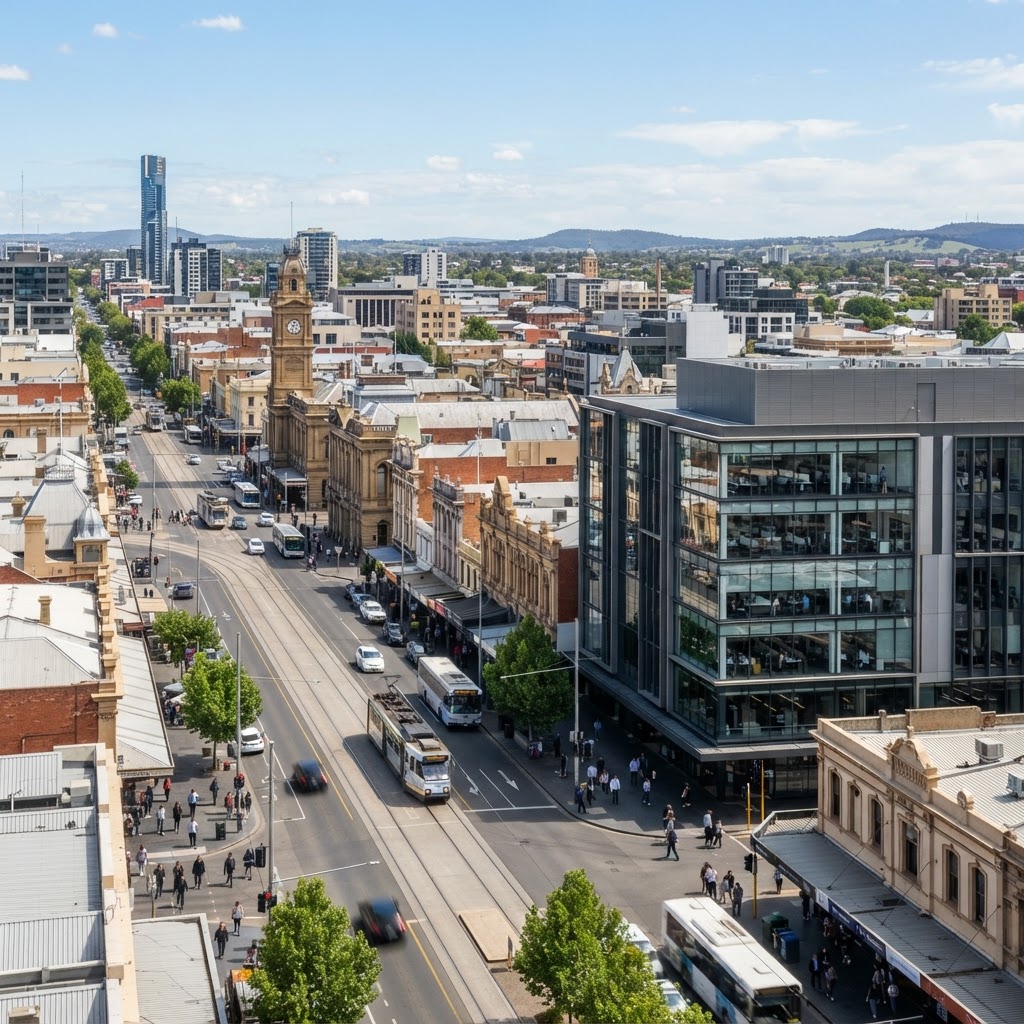
Major projects such as the ongoing redevelopment of the Ballarat Railway Station Precinct and expansions at the Ballarat Health Services campus on Lydiard Street are key drivers of investment flows into the city. The railway station works, aimed at improving connectivity on Sturt Street, have attracted $52 million from both Victorian state and federal sources, supporting construction jobs and local suppliers.
Meanwhile, Ballarat Health Services’ $85 million investment in new hospital facilities is expected to create over 400 medical and administrative positions within two years. These projects not only improve city infrastructure but also signal a commitment to long-term economic stability in the health and transport sectors.
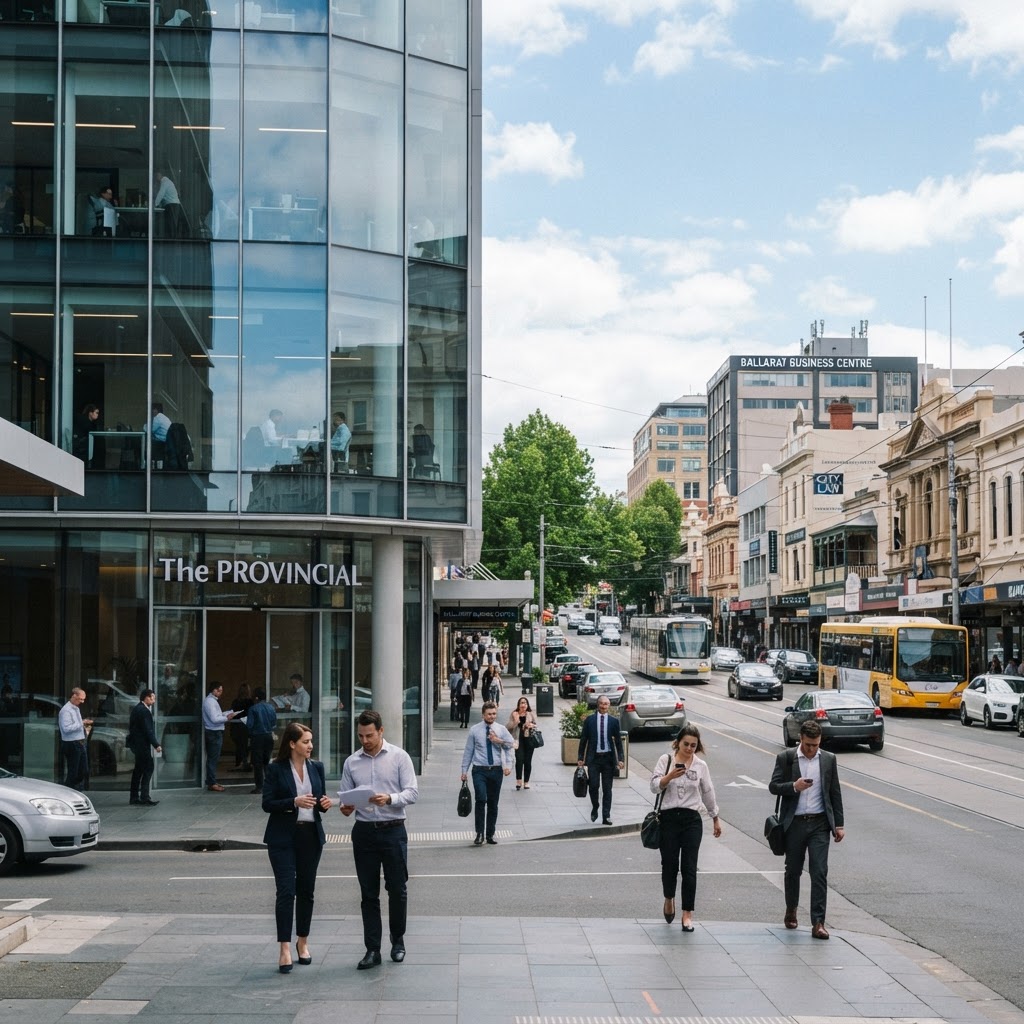
The City of Ballarat’s June 2026 economic report showed unemployment holding steady at 4.8%, slightly better than the 5.3% state average. Retail sales in central Ballarat’s Main and Barkly Streets rose by 3.2% over the past quarter, indicating healthy consumer spending despite broader national slowdowns. Additionally, commercial property leases on Mair Street, home to numerous tech startups, have increased by 14% since January, reflecting heightened investor interest in Ballarat’s innovation precinct.
House prices in Ballarat’s western suburbs, including Delacombe and Lucas, have stabilized at an average of $510,000-5% higher than the same period last year-suggesting a balanced housing market that is not yielding to overheated speculation or sharp downturns.
These numbers illuminate how Ballarat is maintaining economic resilience through a combination of diversified industries and targeted public investment.
Local business groups, such as the Ballarat Chamber of Commerce, recommend that entrepreneurs leverage this period by exploring partnerships in emerging industry sectors like renewable energy and digital services-both areas seeing increased venture capital flow in the city.
Looking ahead, the City Council plans to release a new regional growth strategy this September, aiming to attract further private investment by simplifying planning regulations on Mair and Camp streets and expanding grants for small businesses in the CBD.
For residents and business owners, staying informed about such developments and participating in upcoming public consultations is a practical way to influence Ballarat’s economic trajectory.

Business
Business
Business

Business
Business
Business
About this articleBeta
Published by The Daily Ballarat
Spread the word
Daily brief
Free, in your inbox before 7am. Weekdays.
The Daily Network — local news across Australia