Business
Ballarat's Building Boom: Who's Cashing In as Construction Costs Fall
Falling material prices and easing credit conditions are creating a rare opening for local developers and tradies-but the window may not stay open long.
4 min read
Business
Falling material prices and easing credit conditions are creating a rare opening for local developers and tradies-but the window may not stay open long.
4 min read
Ballarat's construction sector is experiencing a genuine shift. Material costs have dropped sharply over the past six months, and developers who were sitting on land parcels are now moving forward with projects that stalled during 2024 and 2025. The opportunity is real, but it's unfolding unevenly across the city-and some players are already moving faster than others.
This matters now because Ballarat has spent the past two years watching Melbourne gobble up housing approvals while local projects gathered dust. The city's population hit 120,000 last year, up from 115,000 in 2023, but new dwelling completions have lagged behind demand. Now, with concrete prices down 12 percent since January and steel reinforcement costs falling even faster, the economics of residential and mixed-use development are suddenly workable again. Banks are also loosening construction lending after tightening standards through 2024.
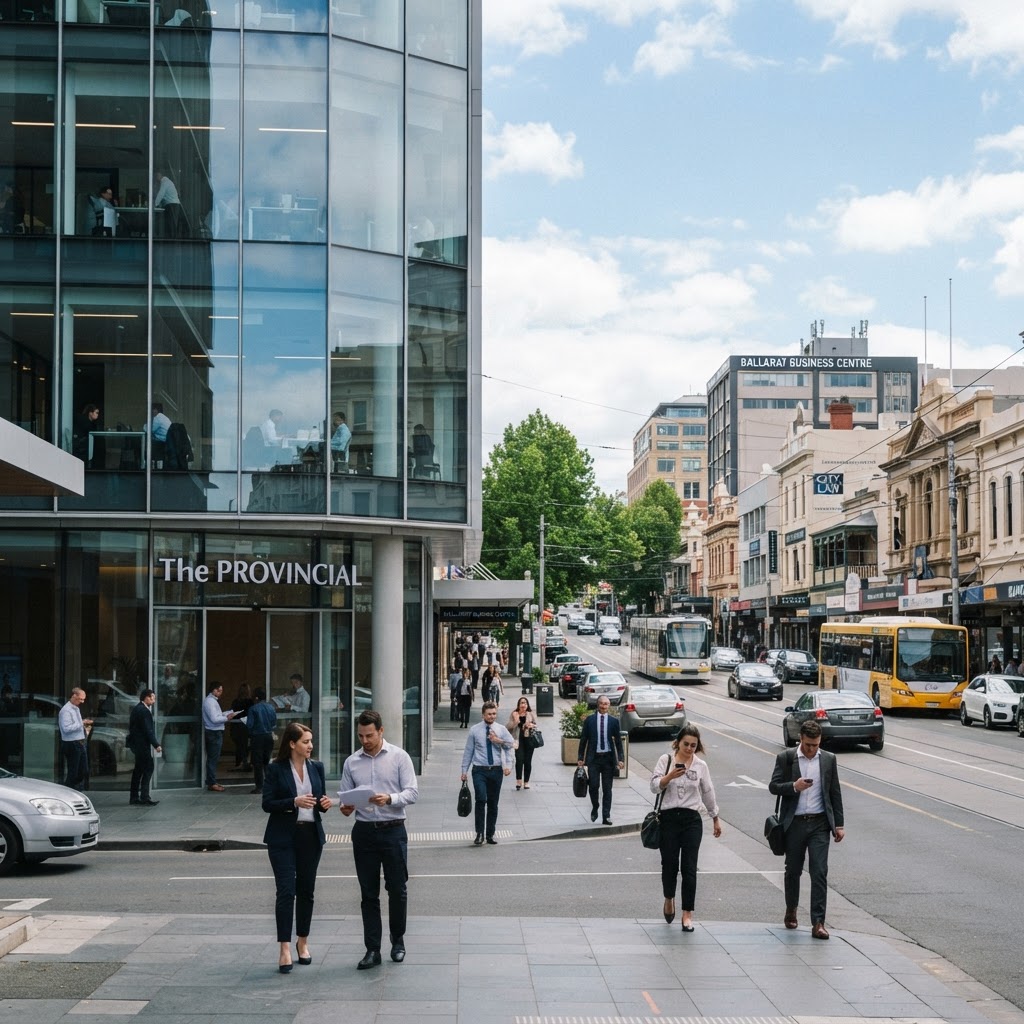
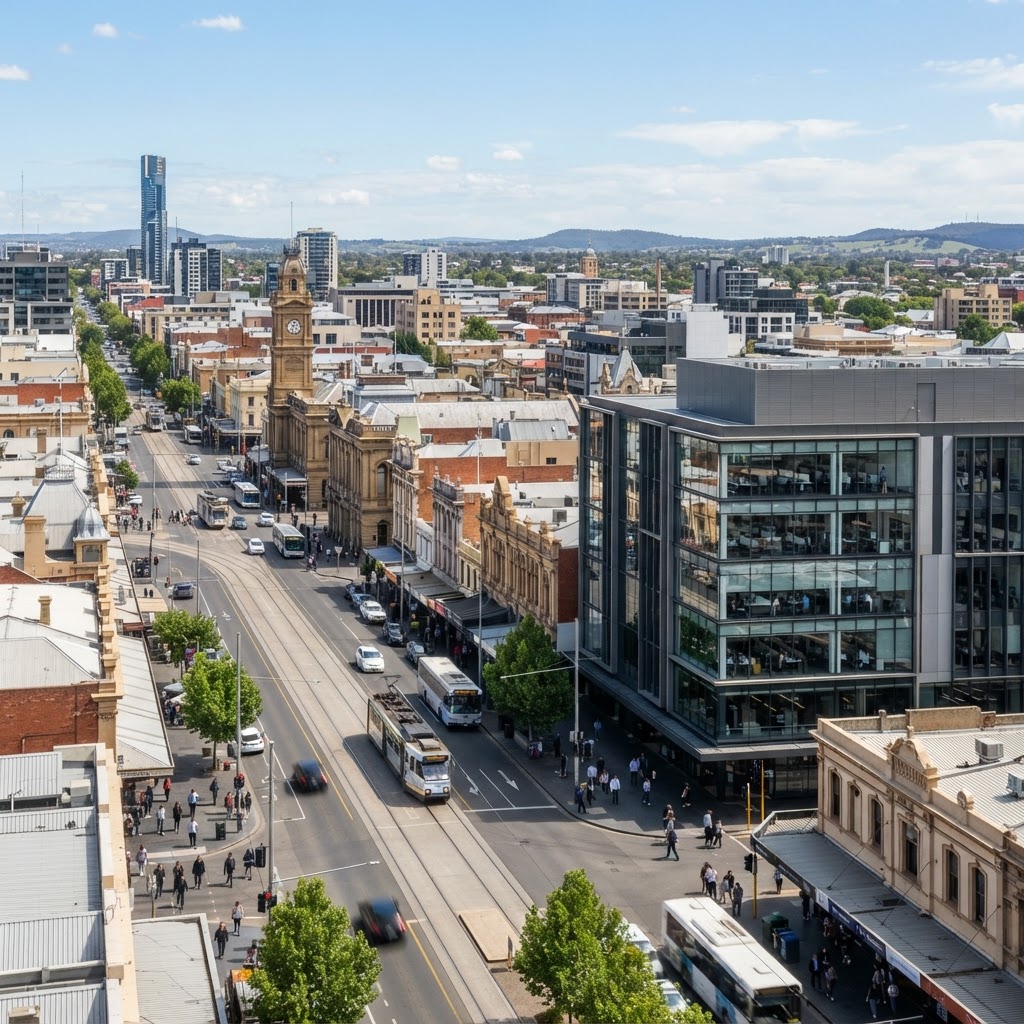
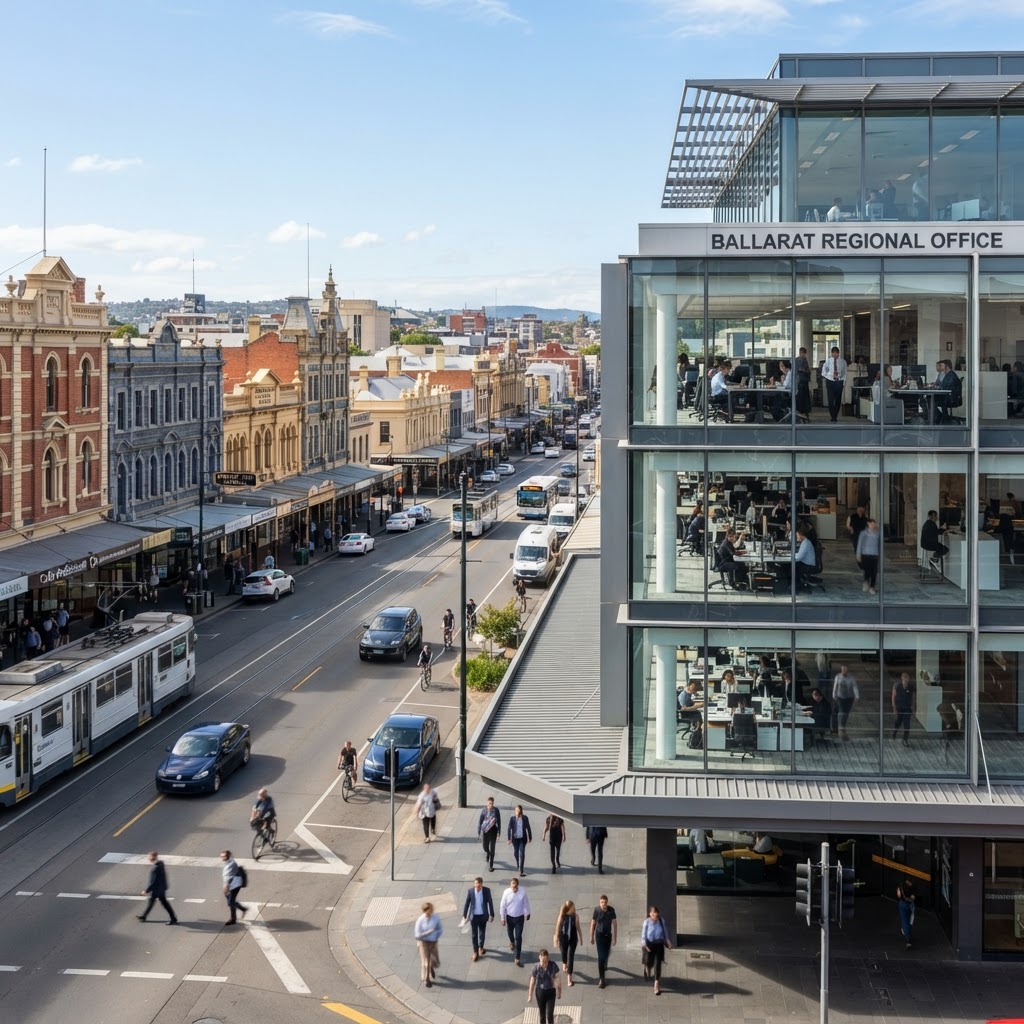
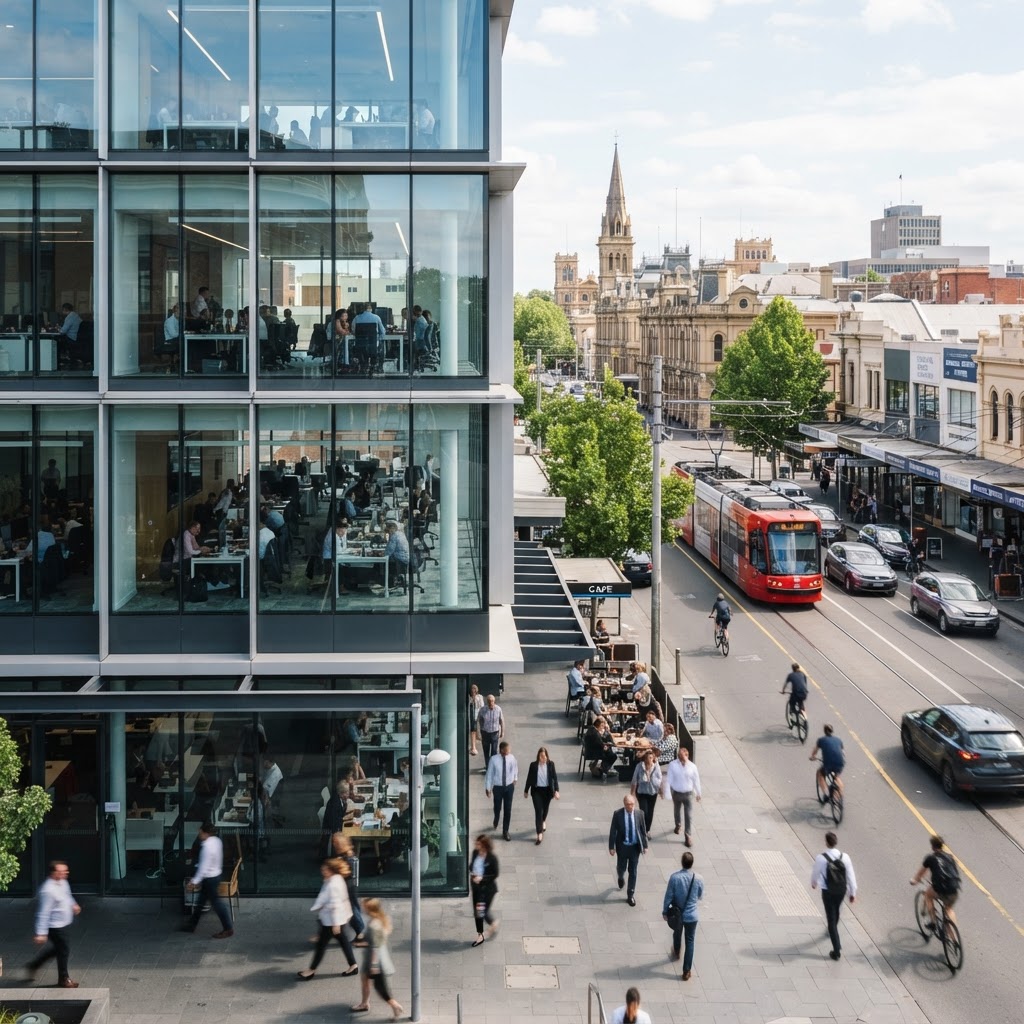
Developers operating around the Ballarat Central precinct and along Sturt Street are already breaking ground on projects that had been shelved. Two significant apartment developments-one near the intersection of Sturt and Peel Streets, another on the edge of the civic precinct-have begun site works in the past three weeks. Local construction firm Buildcorp Holdings confirmed it has hired twelve additional tradespeople for projects starting this quarter, the first expansion the company has undertaken since 2023.
The Ballarat Regional Trades Council has fielded fifteen inquiries from developers seeking quotations for construction labor in the past month alone, according to an administrator at the council's office on Doveton Street. That's triple the monthly average for the preceding twelve months. Plastering and carpentry crews are already booking out six weeks ahead.
The benefit breakdown is stark. Established contractors with existing relationships to major developers are securing work quickly. Smaller, independent tradies are seeing job inquiries pick up, though many report they're still competing against price-cutting from larger firms trying to build momentum. Material suppliers report increased orders for timber framing and brickwork, pushing delivery times out by two to three weeks on some items.
Property investors are benefiting too. Land values around the Ballarat CBD have risen 4.2 percent in the past quarter, according to CoreLogic data released this week. A parcel on the western edge of the CBD that was valued at $850,000 eighteen months ago sold for $920,000 in May-a clear signal that investor confidence is returning.
The catch: this doesn't help workers in hospitality or retail facing reduced hours during the city's slow winter season. Construction jobs are temporary by nature, and they predominantly benefit tradespeople with specific qualifications. General laborers hired for site work often earn award rates with minimal progression.
Financial advisors working across Ballarat warn clients that this cycle is fragile. Interest rates remain elevated compared to the 2019-2021 period, and lending criteria for residential investors remain tighter than they were pre-pandemic. If construction momentum stalls-and it can stall quickly if external shocks hit-the jobs created over the next eight months could evaporate just as fast.
Local business owners on Camp Street and in the Ballarat Retail Centre are watching closely. A sustained construction boom brings workers with spending power, and that supports cafes, lunch spots, and tool suppliers. But that flow-through takes months to materialize, and it depends entirely on projects actually reaching the construction phase rather than being announced and then abandoned.
For now, the opportunity is real but narrow. Tradies with availability should lock in quotes before labor costs rise further. Developers with feasible projects should be accelerating timelines. But history suggests this window closes fast-and when it does, Ballarat could easily slip back into the holding pattern of the past two years.

Business
Business
Business
Business

Business
Business
About this articleBeta
Published by The Daily Ballarat
Spread the word
Daily brief
Free, in your inbox before 7am. Weekdays.
The Daily Network — local news across Australia