Business
Global Retail Trends Reshape Ballarat’s Business Scene
From supply chain shifts to consumer preferences, international changes are influencing local retail openings and strategies.
3 min read
Business
From supply chain shifts to consumer preferences, international changes are influencing local retail openings and strategies.
3 min read

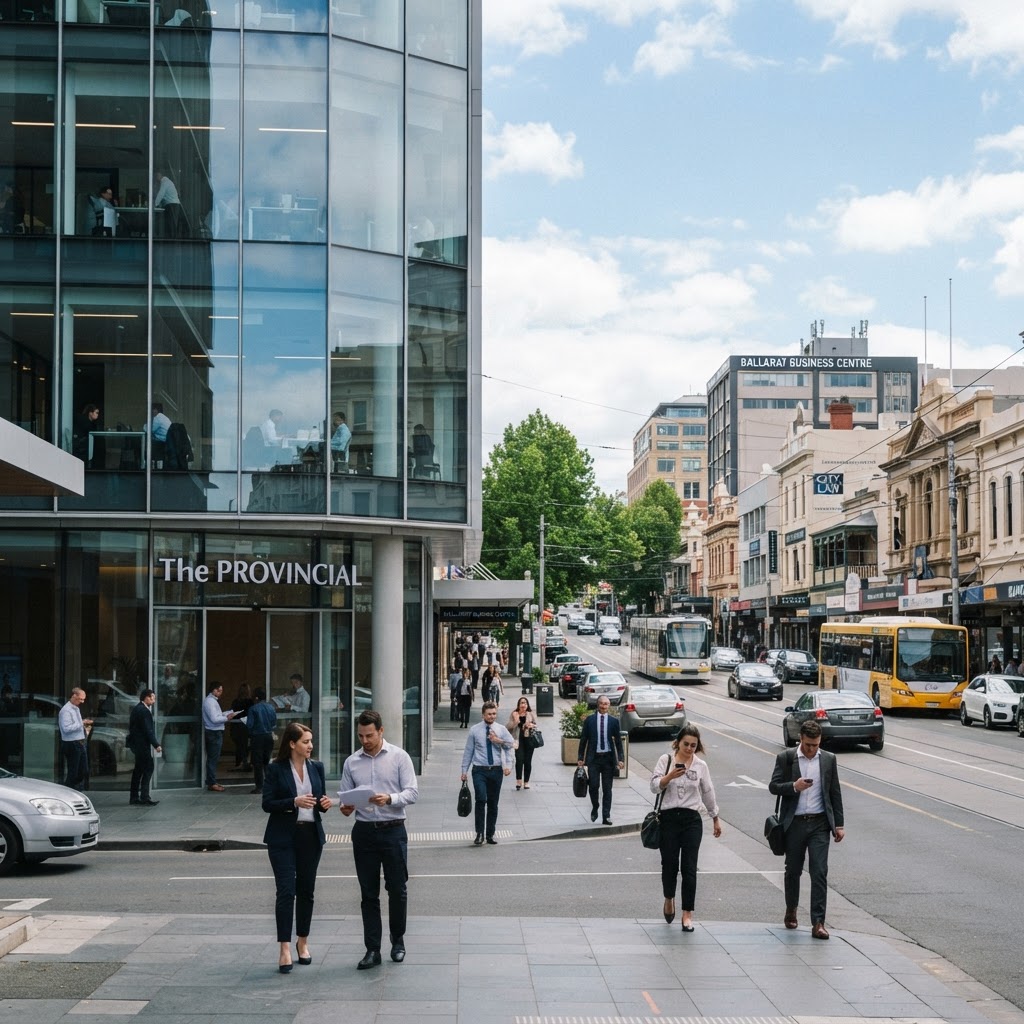
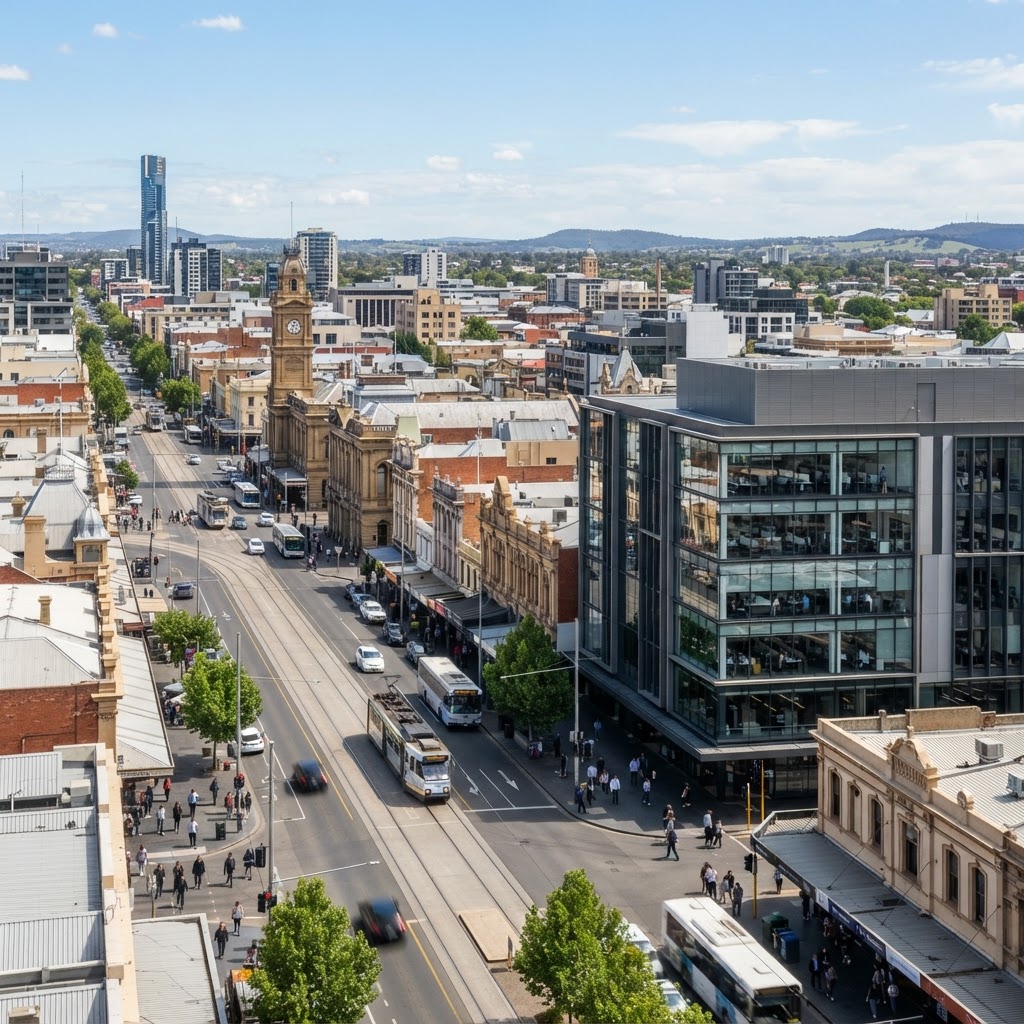
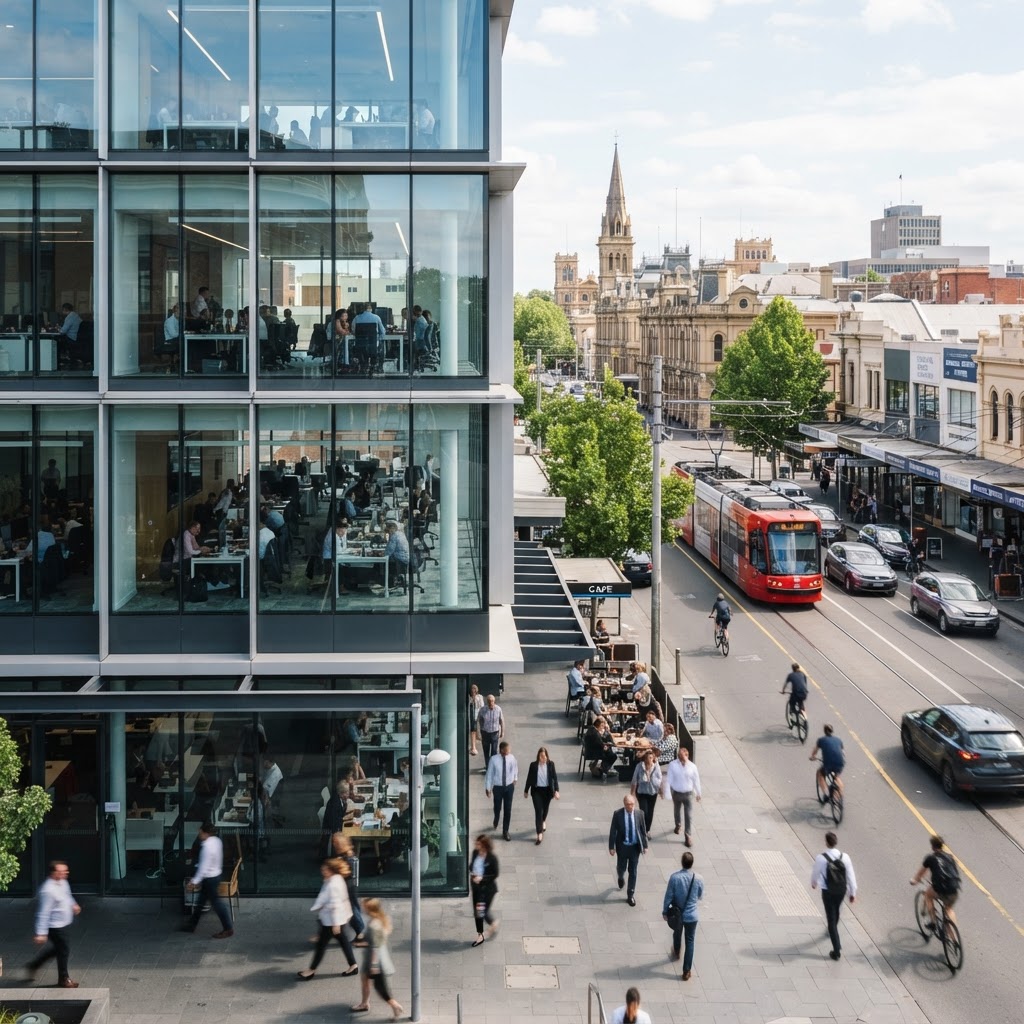
Ballarat’s retail landscape is adapting as global retail trends reverberate through local business decisions, with new shops opening and established stores shifting strategies downtown.
The ripple effects of global supply chain disruptions, rising raw material costs, and evolving consumer preferences are reaching Ballarat’s businesses just as they recover from pandemic-era challenges. These factors are accelerating changes at retail hubs such as Sturt Street and Bakery Hill, impacting everything from product availability to pricing.
On Sturt Street, Ballarat Central’s main shopping thoroughfare, several new boutiques launched in the last six months, many specialising in eco-friendly and locally sourced products-a direct response to growing consumer demand for sustainable goods witnessed internationally.
Ark Boutique, which opened in April in the heritage-listed former bank building, sources more than 70% of its products from regional manufacturers to counteract uncertainty in global import schedules. Meanwhile, The Green Spoon, a new organic grocery store on Humffray Street North, has expanded its offerings despite higher wholesale prices, thanks to consumer willingness to pay a premium for quality food.
The Ballarat Region Business Council has also noted an uptick in inquiries about integrating e-commerce platforms with physical stores. According to the council’s report published in June, 42% of local retailers plan to invest more in digital sales channels this year, aligning with worldwide shifts toward online shopping accelerated by the pandemic and logistics challenges.
Australian Bureau of Statistics data from March 2026 shows retail turnover in Victoria grew by 3.9% compared to the previous year, narrowly surpassing the national average of 3.5%. However, wholesale price indexes have risen by 7.2% statewide across the same period, squeezing margins for smaller players in Ballarat who cannot compete with larger chains on pricing.
A price survey of 12 local fashion retailers revealed average mark-ups increased by 5 to 10%, reflecting higher import tariffs and elevated raw material costs, particularly in textiles from Asia. These increases align with a global trend where sourcing slowdowns and inflation pressures have translated into higher consumer prices, testing local shoppers’ brand loyalties and spending behaviors.
The City of Ballarat’s Economic Development Unit recently highlighted grants available under the 2026 Retail Innovation Program, aimed at helping small businesses adapt through technology upgrades and supply chain diversification. Funding rounds closing in August encourage retailers to innovate amid ongoing international uncertainties affecting stock availability and delivery timelines.
For consumers, understanding these pressures can help manage expectations around availability and pricing at favourite shopping spots. For retailers, embracing digital tools and local sourcing pathways appear crucial to navigating the evolving landscape effectively while maintaining competitiveness.
As global dynamics continue to influence local shops, Ballarat's retailers will need to balance tradition with innovation, making strategic investments into technology and supply chain resilience to retain their share of the market and meet shifting consumer demands.

Business
Business
Business

Business
Business
Business
About this articleBeta
Published by The Daily Ballarat
Spread the word
Daily brief
Free, in your inbox before 7am. Weekdays.
The Daily Network — local news across Australia