Business
Ballarat businesses brace for tighter market conditions as inflation bites and supply chains tighten
Local firms face rising costs and evolving consumer habits amid national economic shifts, experts say.
2 min read
Business
Local firms face rising costs and evolving consumer habits amid national economic shifts, experts say.
2 min read

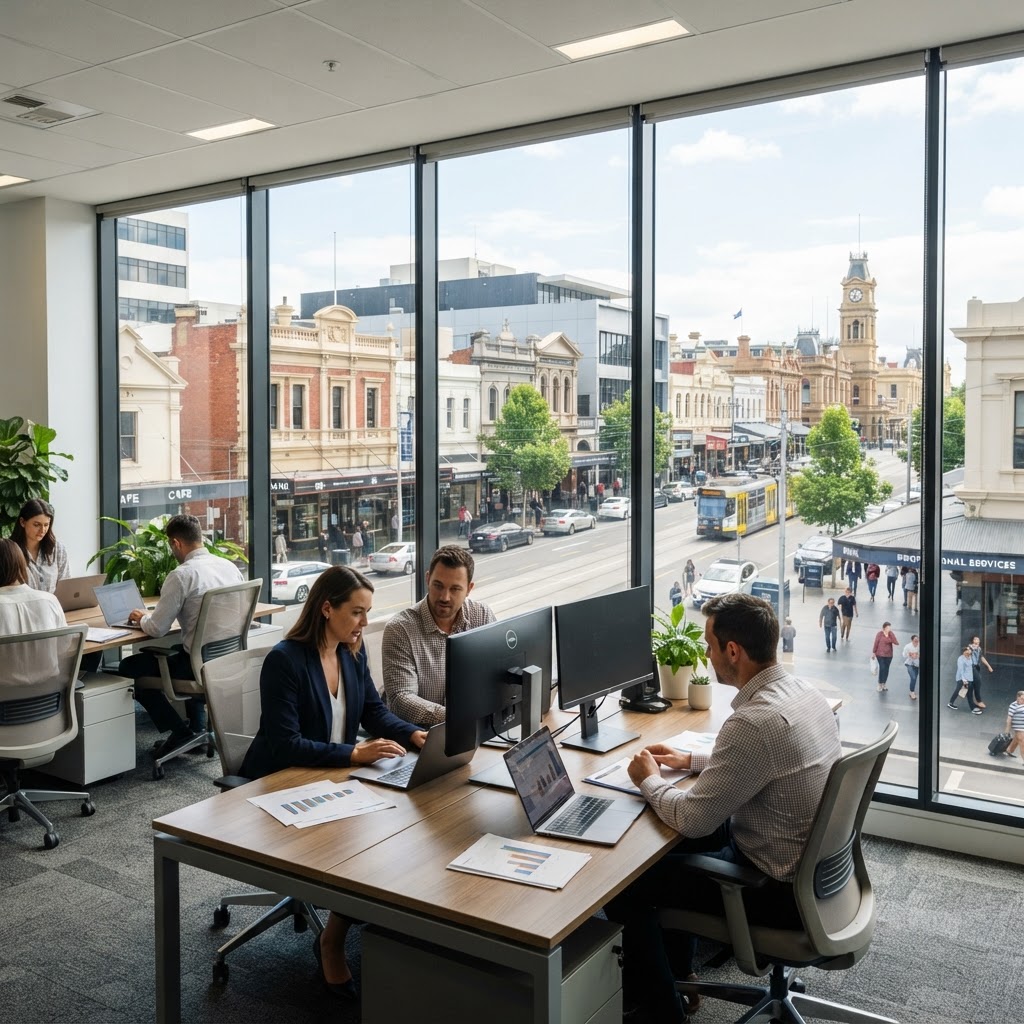
Businesses across Ballarat are navigating a challenging market environment marked by rising inflation and persistent supply chain disruptions, factors expected to affect operational costs and consumer spending in the coming months.
The significance of these market pressures has escalated following recent inflation figures released last week, which showed the consumer price index hitting 6.2% in June nationally, the highest in over a decade. These economic headwinds come after Telstra’s recent high-profile outage rocked confidence in essential services, underscoring vulnerabilities in infrastructure that local companies depend on daily.
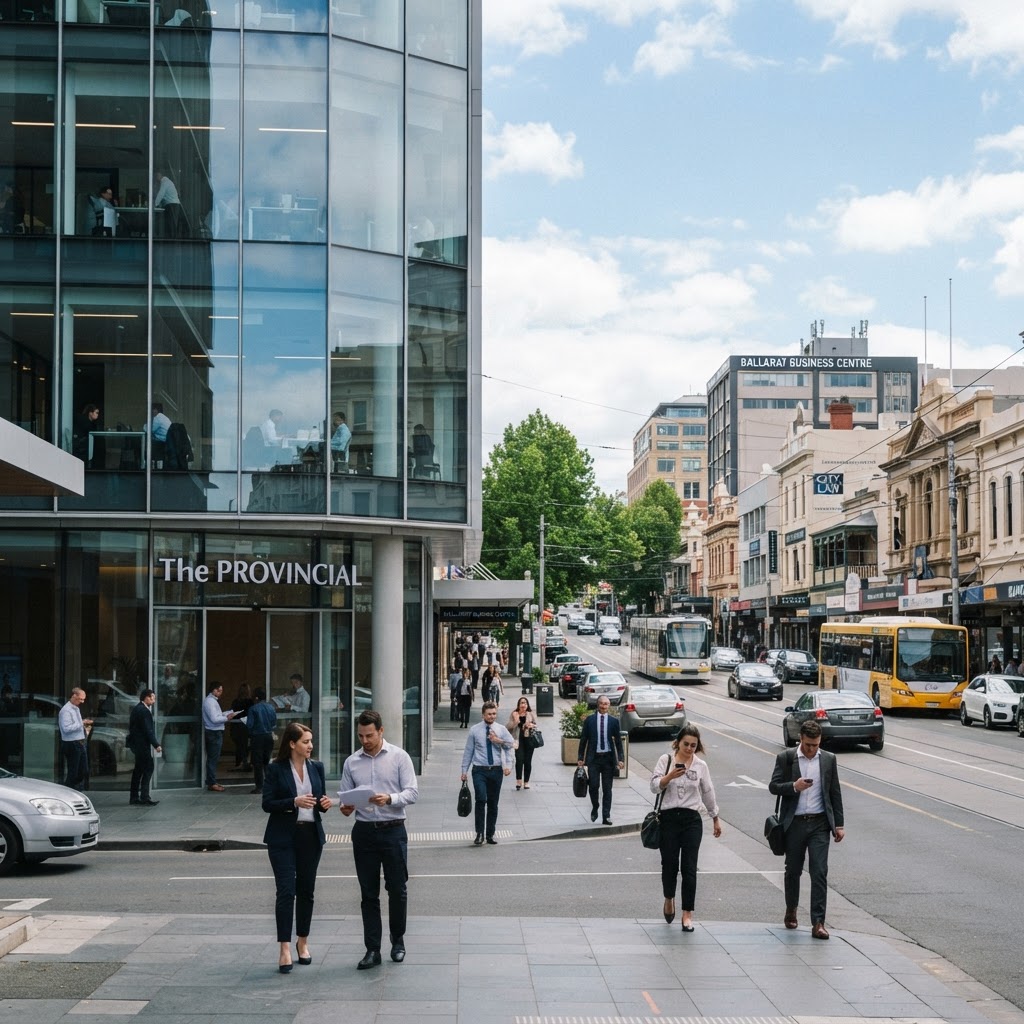
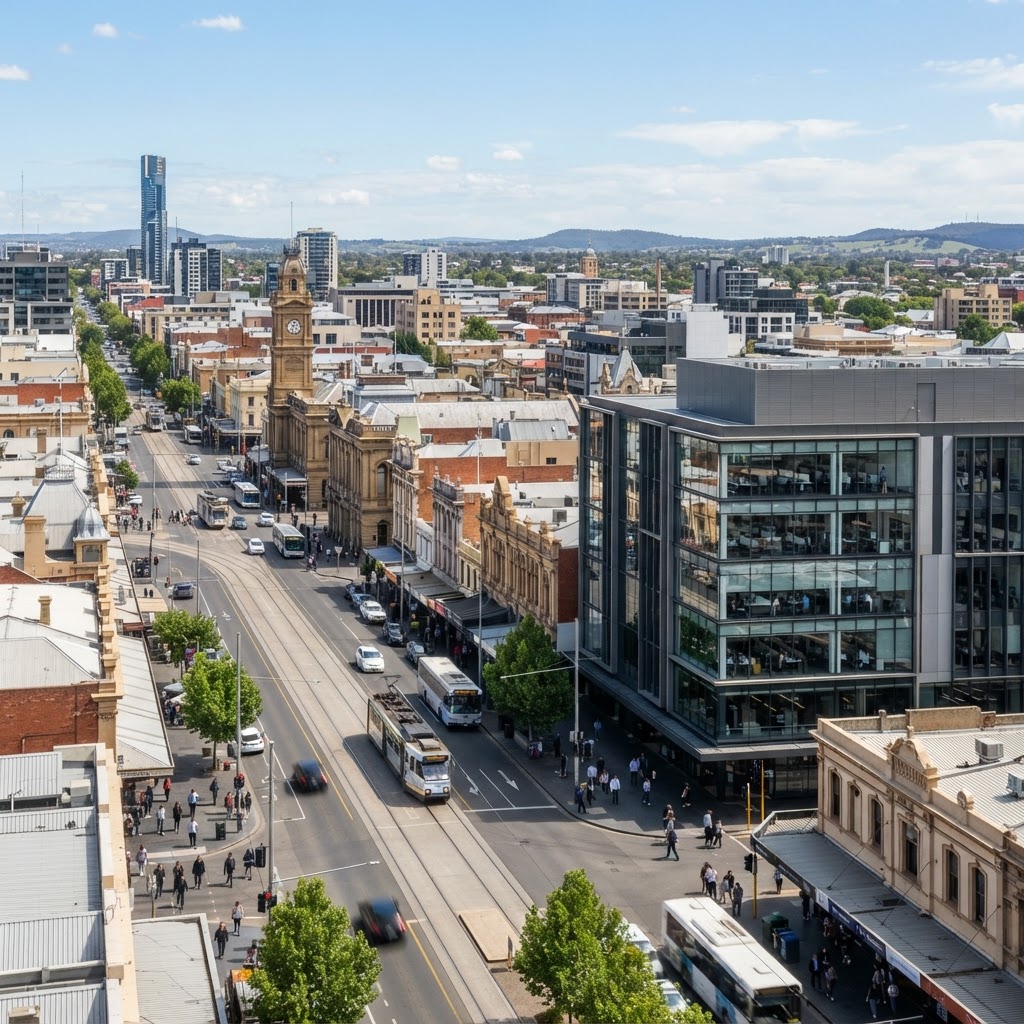
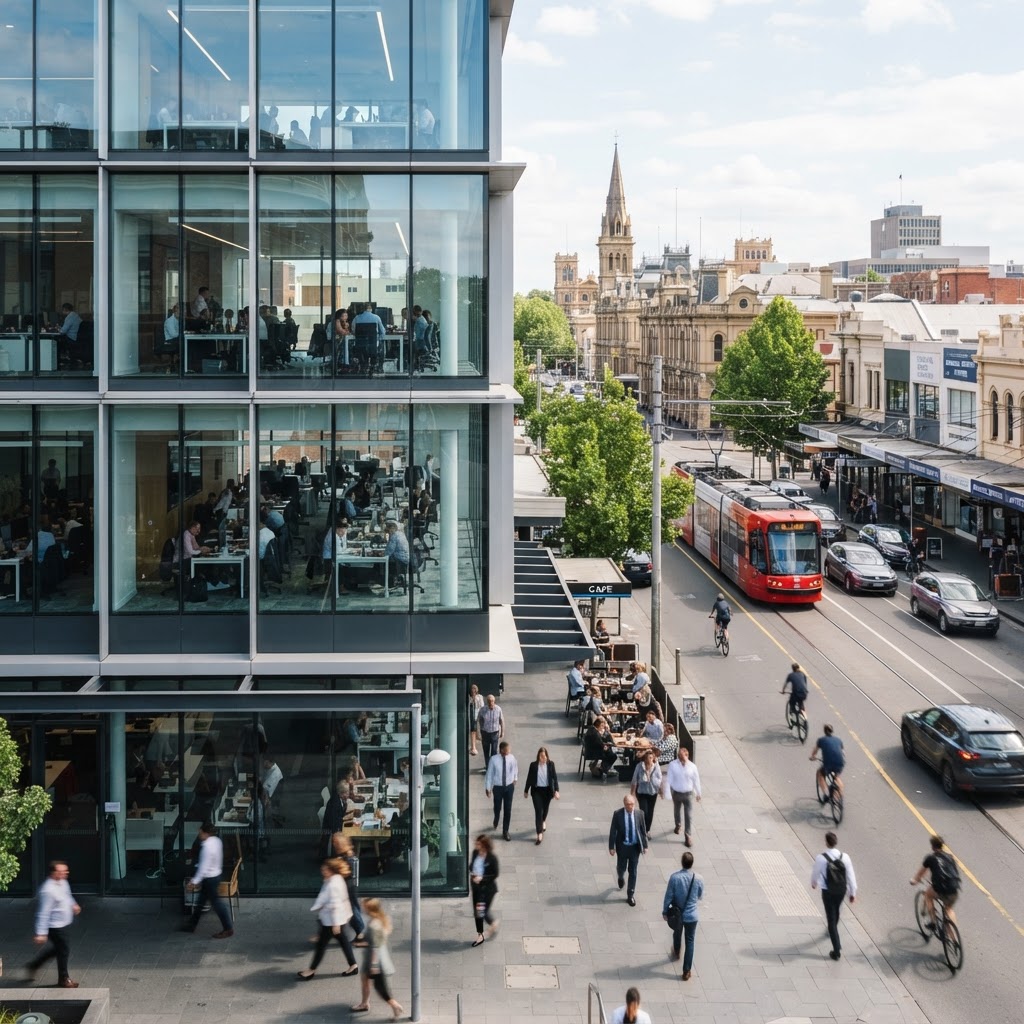
Ballarat’s Central Business District and the urban growth zone around Sebastopol are feeling the pinch as small and medium enterprises (SMEs) adjust to increased supplier costs and fluctuating demand. The Ballarat Business Council has noted a spike in inquiries from retailers and hospitality operators seeking guidance on managing cash flow and pricing strategies amidst higher imported goods prices and wage pressures.
Programs such as the City of Ballarat’s Economic Recovery Support Scheme, active since early 2026, have been reemphasized as critical lifelines for affected businesses. Additionally, the Ballarat Innovation Hub on Mair Street is facilitating workshops addressing digital solutions to improve supply chain resilience, helping local enterprises adapt swiftly to ongoing disruptions.
Data collected by the Ballarat Regional Development Authority points to a 4.5% increase in wholesale input costs for local manufacturers between April and June 2026. Retailers, notably in the hospitality and apparel sectors around Armstrong Street, have reported average price increases of 3-5%. Residential construction costs have also risen, impacting builders in suburbs like Wendouree, who face material shortages and delays.
Despite these headwinds, consumer confidence in Ballarat shows signs of stabilizing, buoyed by a strong local labour market with unemployment at 3.8%, below the national average. Yet economists warn that unless supply bottlenecks ease and inflation moderates, buying patterns may shift further towards essential goods and discount retailers, affecting discretionary spending.
Looking ahead, Ballarat businesses are advised to reassess supplier contracts, explore alternative sourcing options, and invest in technology that leverages data analytics for inventory optimization. The upcoming Ballarat Business Expo on August 20th will highlight strategies for innovation and agility to stay competitive in this unpredictable climate.
With careful planning and support, Ballarat companies can mitigate these pressures and position themselves for growth as market conditions slowly stabilise over the next 12 months.

Business
Business
Business

Business
Business
Business
About this articleBeta
Published by The Daily Ballarat
Spread the word
Daily brief
Free, in your inbox before 7am. Weekdays.
The Daily Network — local news across Australia