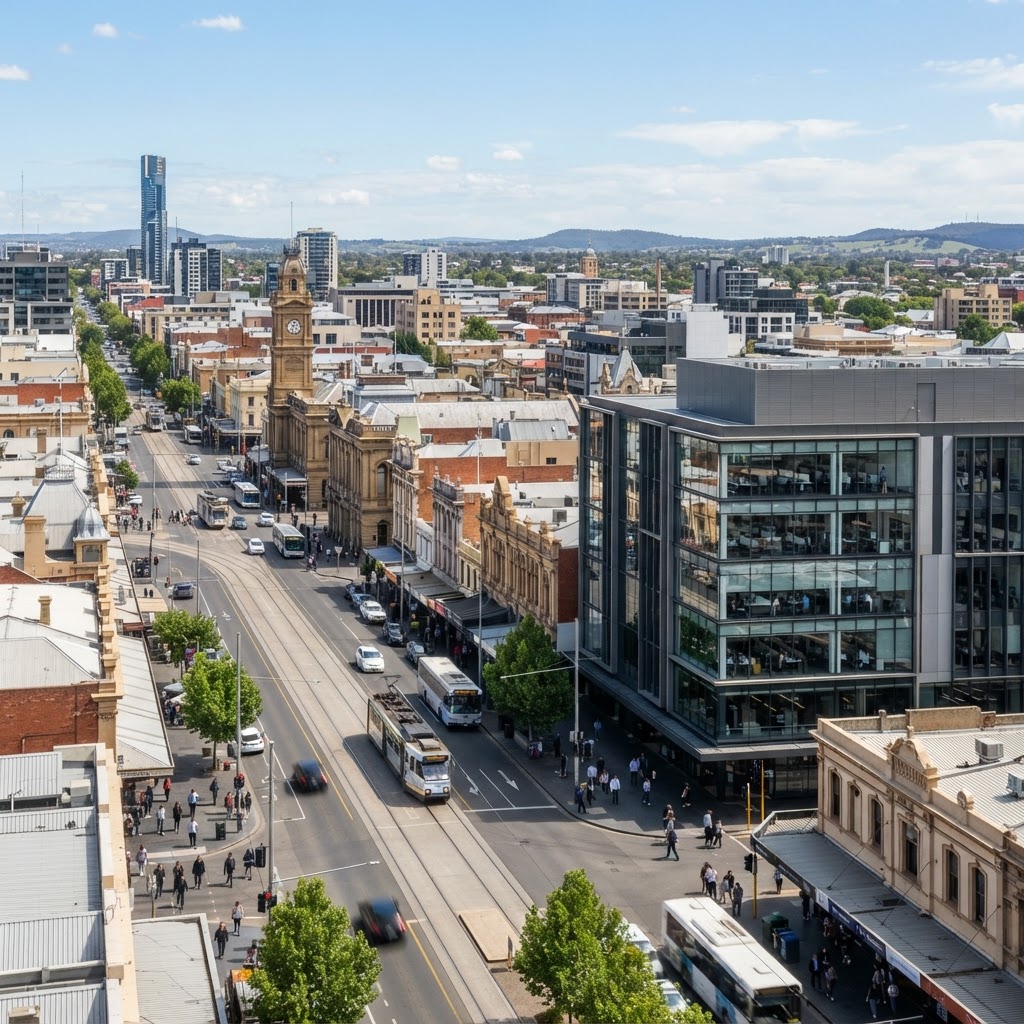
Ballarat's labour market is running on fumes. Across hospitality, aged care, construction and retail, employers are struggling to fill vacancies that simply aren't attracting enough workers. The skills shortage that seemed like a distant economic abstraction two years ago is now hitting ordinary residents directly-longer waits at restaurants, delayed council services, and rising costs as businesses struggle to operate lean staffing.
The crunch matters right now because the region's population is aging while training institutions can't produce enough workers in critical sectors. What started as an employer complaint has become a household problem. When a cafe on Bridge Street struggles to open on time because it lacks kitchen staff, or when your GP appointment pushes out another month because the surgery is understaffed, the workforce crisis stops being someone else's problem.
Ballarat's vocational training landscape reveals the pressure points. Federation University's Ballarat campus runs dozens of apprenticeship and diploma programs, but enrolments in trades training have been volatile. The university sits on the edge of Mount Helen, serving students across the central highlands region. Meanwhile, Ballarat and District Community College on Mair Street offers accredited short courses in everything from hospitality to business, but demand for full-time skilled training isn't matching open positions.
The numbers tell a concerning story. Victoria's training authority reports that regional apprenticeships have dropped roughly 12 per cent since 2021, with Ballarat's numbers tracking that decline. At the same time, job advertisements in aged care across the Central Highlands Regional Alliance jumped 28 per cent year-on-year through 2025. There's a mismatch: employers need workers, but young people aren't seeing these roles as attractive career paths.
Why Your Morning Coffee Takes Longer
Walk down Main Street or Sturt Street, and you'll notice the staffing strain. Several hospitality operators have cut back trading hours or closed specific days because they can't find reliable workers willing to work shift work. A barista position might pay $24 an hour now-up from $21 three years ago-but apprenticeships still feel like a risky investment when school leavers are uncertain about their future earning potential. The hospitality sector across Ballarat lost roughly 340 full-time equivalent workers between 2022 and 2024, according to regional labour data.
Aged care facilities across the region are experiencing their own crisis. Nurse and carer positions regularly go unfilled for weeks. The work is physically demanding, the shifts are unglamorous, and aged care wages haven't kept pace with cost-of-living pressures. A qualified aged care worker in Ballarat earns around $28 to $32 per hour, but many workers say it doesn't reflect the emotional and physical toll. Facilities are either reducing bed capacity or rotating staff to unsustainable levels.
Construction remains trapped in a peculiar bind. The sector desperately needs electricians, plumbers and carpenters. Apprenticeships pay $18 to $22 per hour for first-year trainees, climbing to $35-plus after qualification. But the path takes three to four years, and students face irregular work availability and expensive tools. Local building companies report vacancy rates above 15 per cent for skilled trades.
What You Can Do About It
If you're looking for training, the regional landscape offers genuine pathways. Federation University offers the Skills and Jobs Accelerator program, specifically designed to upskill adults in under a year. Ballarat and District Community College runs government-subsidized courses; check what qualifications are on the priority list, because funding follows employer demand. School leavers should seriously consider apprenticeships-the combination of wages and training beats sitting in a classroom for four years if trades interest you.
But here's what matters for everyday residents: you're going to keep experiencing service delays and price increases until this works itself out. Expect wage pressures to continue feeding into service costs. A tradesperson's visit to your house costs more because they're in short supply. Your aged care options will remain limited because facilities can't expand without staff. The restaurants and cafes that do solve their staffing puzzle will thrive; others will keep reducing hours.
The long game requires investment in training-by government, by employers, and by individuals willing to commit to multi-year apprenticeships. Until then, Ballarat residents will keep running into the hard consequences of a training pipeline that can't keep up with what the economy actually needs.