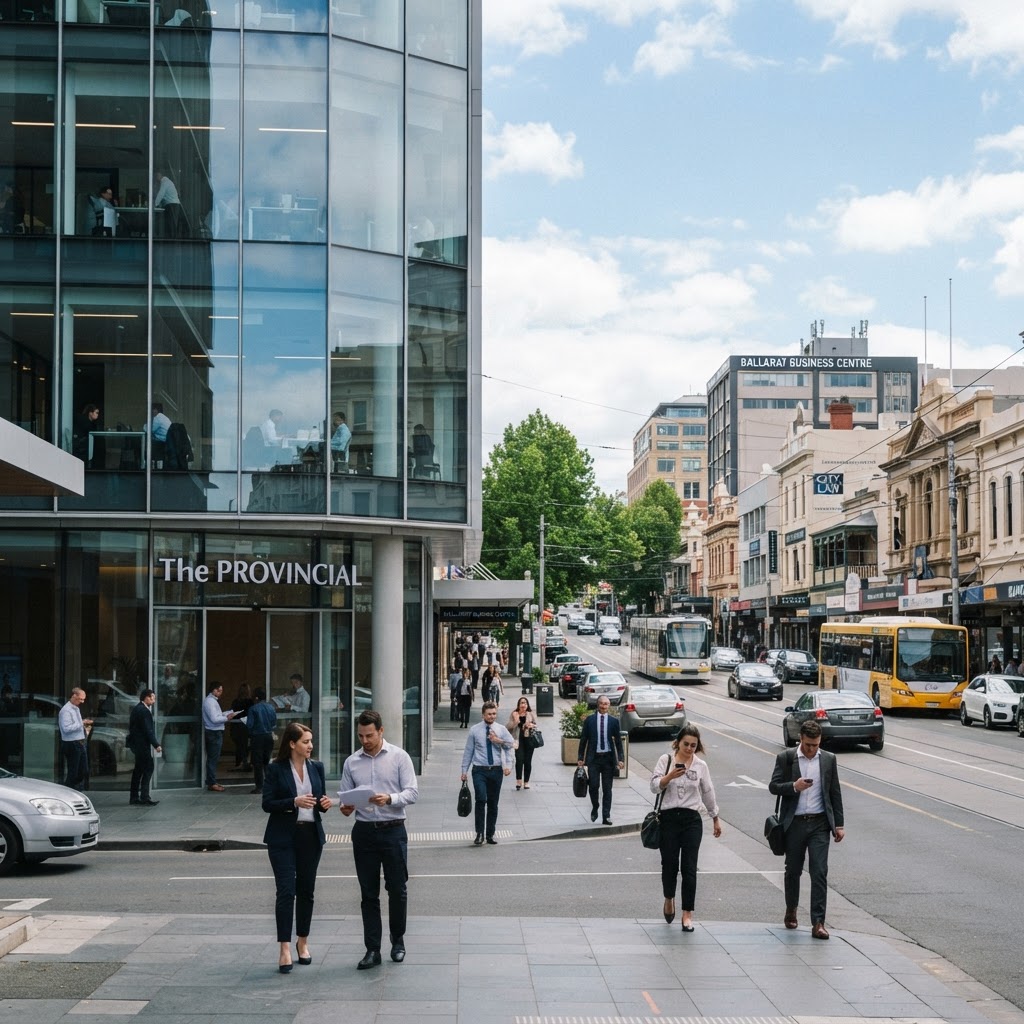
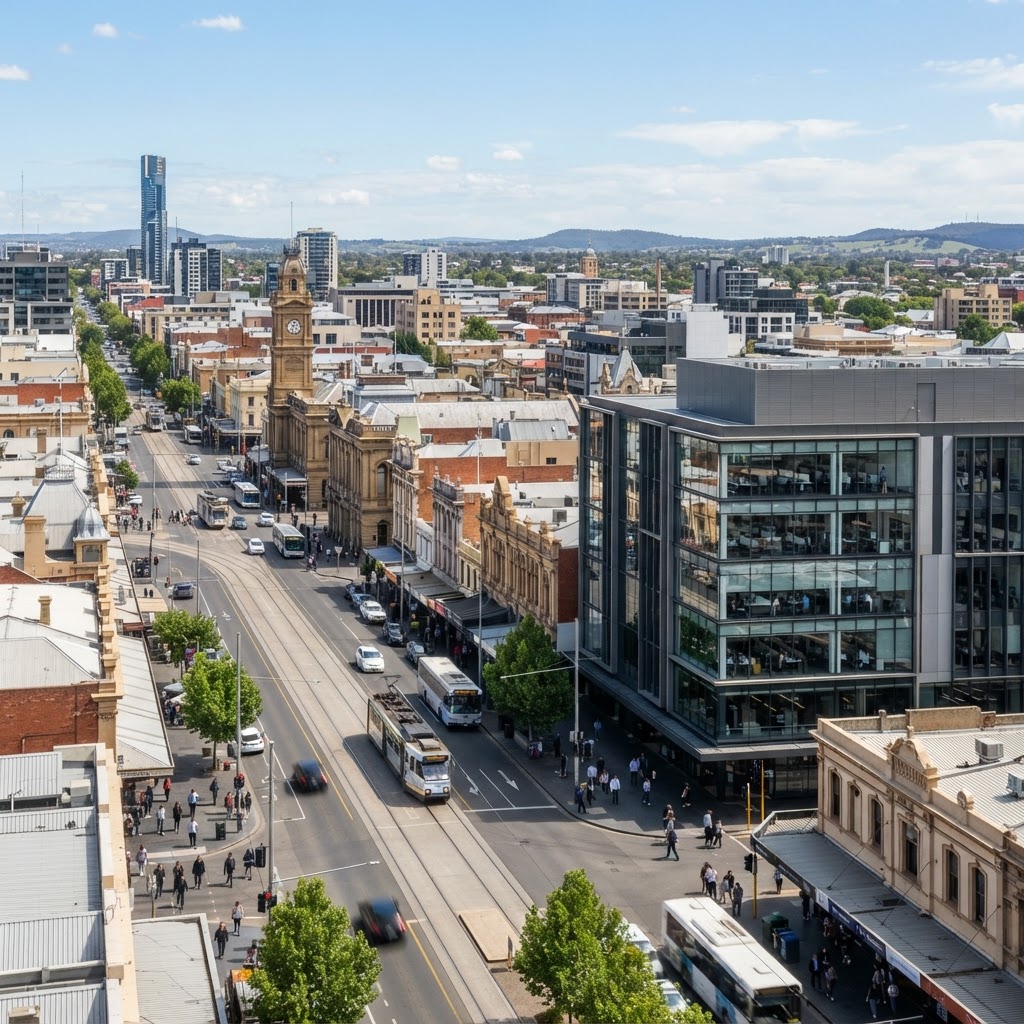
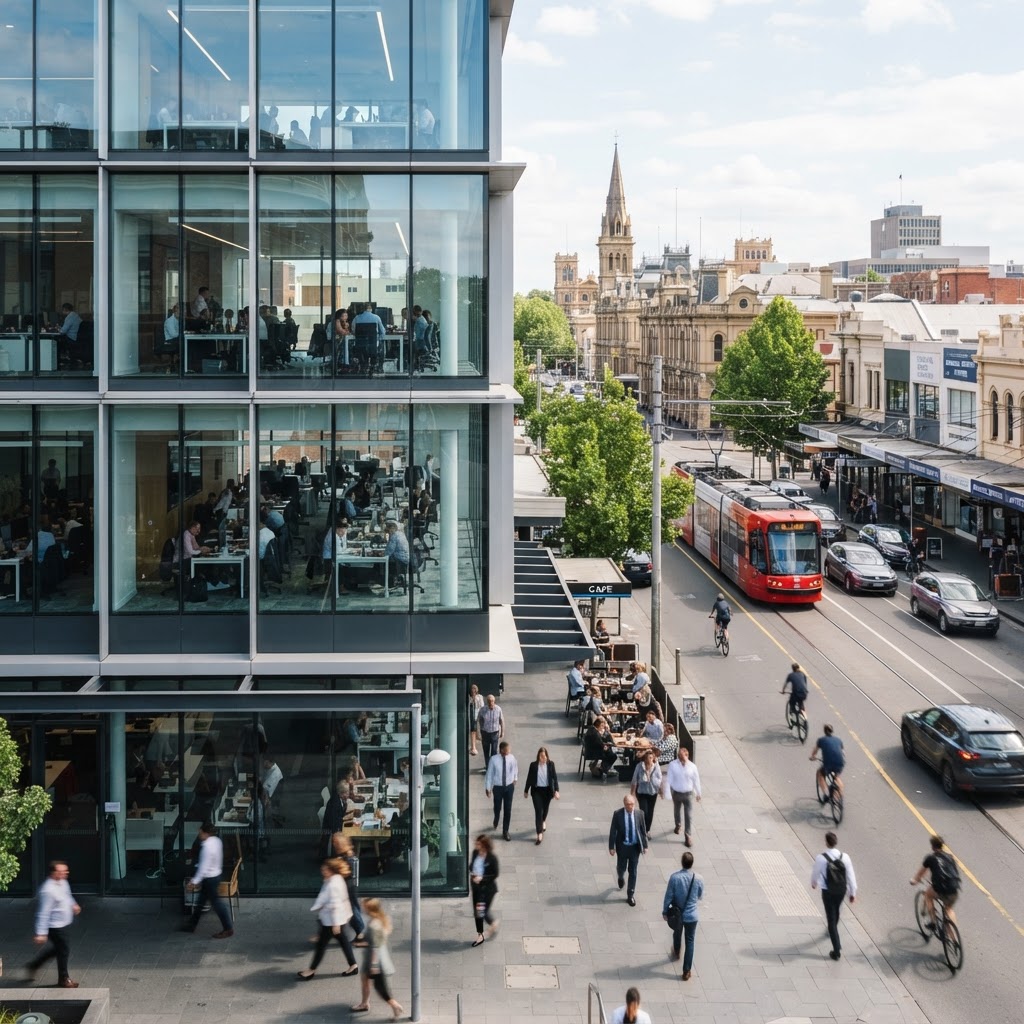
Ballarat's economy is sending contradictory messages. Property investment in the city climbed 14 percent in the first half of 2026, with commercial and residential projects breaking ground at the fastest pace in four years. Yet retail spending across Main Street and the Bridge Mall district fell 3.2 percent year-on-year in June, signalling that households are tightening budgets even as developers pour money into new construction.
The timing matters. National disruptions-including the Telstra outage that crippled communications networks across Victoria for 12 hours last week-have left regional economies like Ballarat scrambling to understand what comes next. Small businesses on Sturt Street and around the Ballarat CBD reported lost sales during the blackout period, and some are now questioning whether to invest in backup systems or hold cash reserves instead. For local economists tracking where money flows, these patterns reveal how sensitive regional growth has become to external shocks.
Investment Climbing Despite Uncertainty
The property data tells one part of the story. Ballarat City Council planning approvals show 47 new development applications approved in the first quarter alone, totalling $285 million in proposed spending. That includes a $62 million mixed-use development near the Ballarat Train Station precinct and three separate office complexes in the Mount Clear industrial zone. Major regional employers, including the Ballarat Regional Innovation Precinct operators, have signalled expansion plans that hinge on attracting workers to new residential stock.
"We're seeing genuine appetite from investors who believe in the city's fundamentals," said one property consultant who declined to be named. The sentiment reflects confidence that Ballarat's proximity to Melbourne, combined with post-pandemic migration patterns, will sustain demand for housing and commercial space. Melbourne-based institutional investors have been active bidders on commercial land parcels, particularly along Doveton Street in the downtown core.
But there's a catch. The Reserve Bank's official cash rate sits at 3.85 percent as of this month, up from 2.25 percent two years ago. Higher borrowing costs have begun to bite. According to CoreLogic data, the median house price in Ballarat reached $675,000 in June 2026, up from $595,000 a year earlier. That 13.4 percent annual gain looks impressive until you factor in that loan serviceability has deteriorated. First-home buyers now need combined household incomes above $140,000 to comfortably carry a mortgage on the median property.
Retail Weakness Signals Consumer Caution
Retail tells the counter-narrative. The Ballarat Chamber of Commerce reported that footfall across shopping precincts fell 8.1 percent in June compared to June 2025. Stores at Bridge Mall and the Ballarat Central shopping complex saw softer trading, with discount retailers and fuel retailers holding up better than discretionary goods sellers. One store owner at the Ballarat Central mall reported that customer transactions dropped but average spend per visit remained flat-meaning fewer people came through doors, not that they bought less when they did visit.
This divergence-strong investment, weak consumption-is typical of regional economies navigating rate cycle peaks and income uncertainty. The Telstra outage has amplified caution. Several small business owners on Main Street told this publication they're deferring planned stock purchases and expansions until they see clearer economic signals.
What should local investors and business operators do? Watch the next few economic releases closely. The Australian Bureau of Statistics publishes regional employment data quarterly, and Ballarat's unemployment rate will be published in August. Job growth here has lagged state averages for six months. If employment continues to soften, consumer spending could slide further, offsetting the headline optimism from building approvals.
Property investment isn't wrong; it reflects genuine demographic tailwinds. But it's outpacing the ability of local wage earners to support consumption. Business operators should prepare for a six-to-nine-month period where capital is flowing into physical assets but household spending remains constrained. That split between investment and consumption won't resolve until employment growth accelerates or interest rate relief arrives. Neither looks imminent.
About this article●Beta
Published by The Daily Ballarat
Covering business in Ballarat. This article was generated by AI, under human editorial accountability and risk-based review and our reasonable editorial care. Sensitive material is held for human review before publication. See our reasonable editorial care.
Beta: AI-assisted and human-overseen. Details may be imperfect, so please verify anything important.