Business
Ballarat retail sector faces perfect storm of headwinds in 2026
Rising costs, nervous consumers and online competition are squeezing margins at Sturt Street shops and shopping centres across the city.
3 min read
Business
Rising costs, nervous consumers and online competition are squeezing margins at Sturt Street shops and shopping centres across the city.
3 min read
Ballarat's retail sector is bracing for its toughest trading year in a decade. Store owners report declining foot traffic, squeezed profit margins and mounting pressure from online competitors as consumer spending contracts and operating costs climb.
The challenge arrives at a critical moment. With regional Australia already struggling to compete with Melbourne's easier building approvals and lower land costs, Ballarat retailers now face the double bind of a hesitant customer base and infrastructure headaches that no amount of discounting can fix. After the Telstra outage disrupted payment systems nationwide just days ago, merchants here experienced firsthand how dependent their operations have become on digital systems they cannot control.
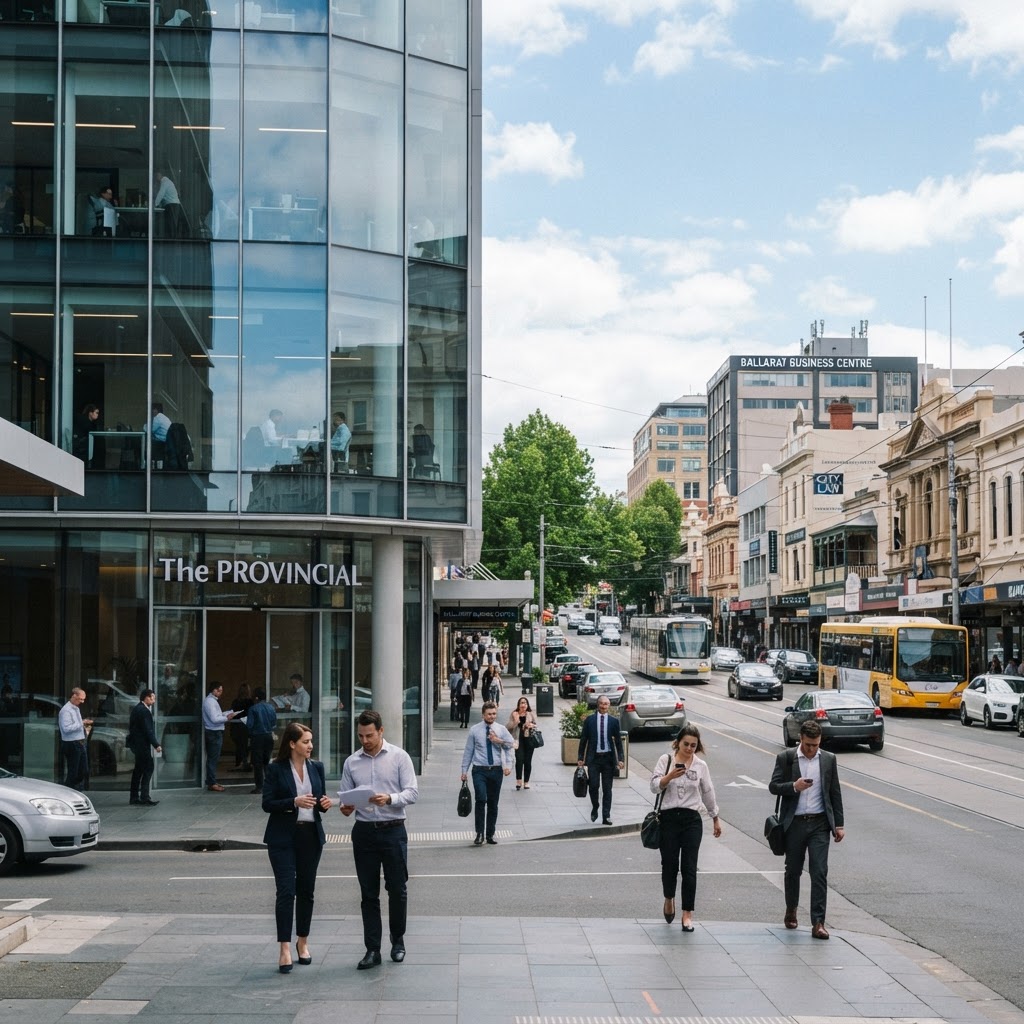
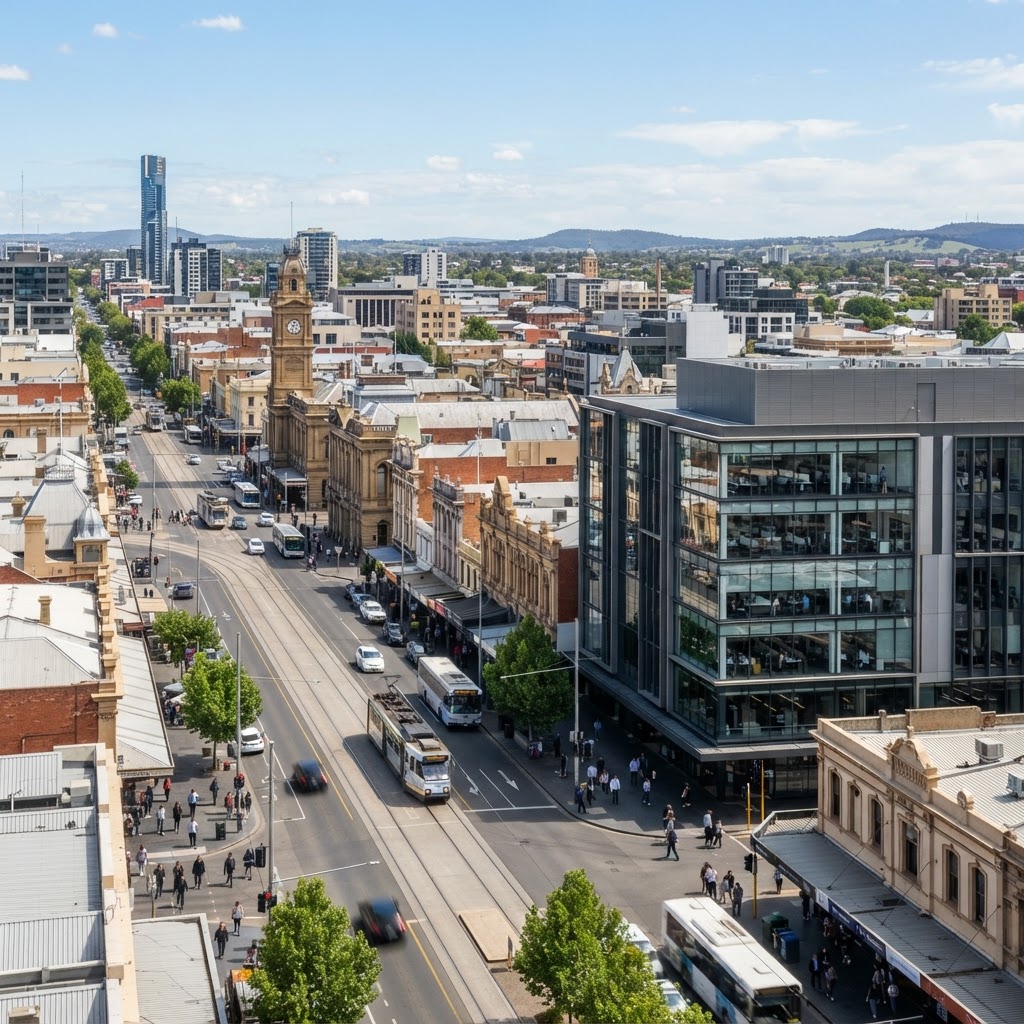
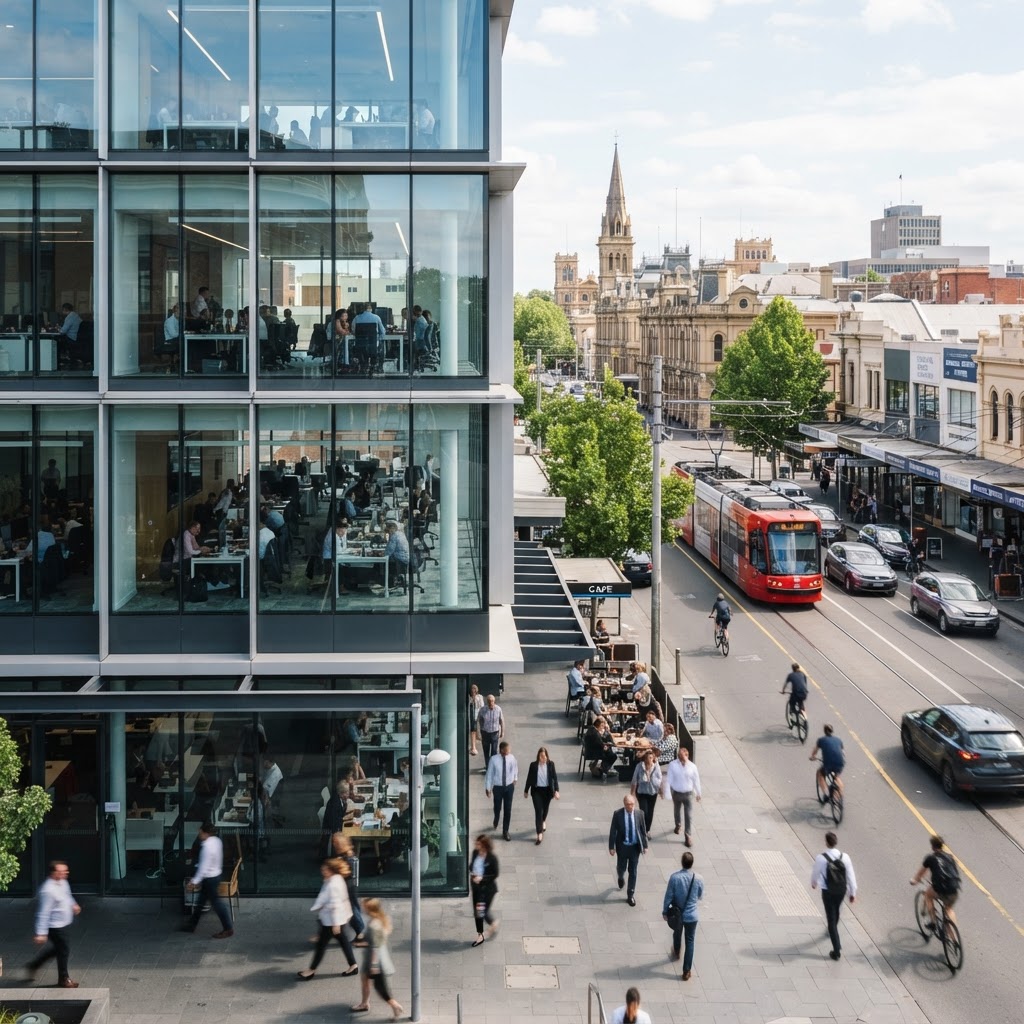
Down Sturt Street, the traditional spine of Ballarat's retail district, store managers describe a visible slowdown. Foot traffic counts at peak shopping hours this July are running 12 to 15 percent below last year's figures, according to data collected by the Ballarat Chamber of Commerce in their quarterly retail survey released Wednesday. At Stockland Ballarat shopping centre on the western edge of the CBD, management has reduced mall hours by two hours daily to cut staffing costs, citing weak evening trade.
Small business owners are feeling it hardest. Rising rent for street-level shopfronts, combined with energy costs that have jumped 18 percent since January, leaves little room for error. The Ballarat Small Business Support Network reported in June that 41 percent of its member retailers expect to reduce staff hours before year's end, compared to 23 percent who predicted cuts six months ago.
Consumer confidence matters more now than inventory levels. CoreLogic data released this week shows regional Victoria property prices falling 3.2 percent year-on-year, with Ballarat recording steeper declines in outer suburbs. When homeowners see their biggest asset shrinking, discretionary spending on clothes, homewares and dining out typically follows. Retailers who depend on impulse purchases from confident locals are watching their turnover decline accordingly.
Online shopping continues to bite into in-store sales. The Australian Retailers Association's latest monthly report, published July 8, showed e-commerce capturing 9.8 percent of total retail sales nationally, up from 8.1 percent two years ago. For Ballarat, a regional city without the population density to support the same delivery frequencies as Melbourne, that shift feels sharper.
The infrastructure drag is real too. Telstra's nationwide outage on July 9 left Ballarat merchants unable to process card payments for hours, sending frustrated customers to rivals or postponing purchases. For businesses already operating on thin margins, that kind of forced closure costs thousands in lost sales and damaged customer relationships. Several Ballarat traders told this publication they're now carrying backup payment systems and reconsidering their reliance on single-provider internet connections.
Store owners are adapting by cutting costs, not by investing in growth. Rent negotiations are becoming fiercer, with landlords along Lydiard Street and around the Ballarat Town Hall precinct reporting increased requests from tenants seeking reductions or early lease exits. Some retailers are consolidating shop space or moving to cheaper secondary locations outside the CBD.
The council's retail recovery strategy, unveiled in May, includes a $2.3 million program to improve Sturt Street's streetscape and coordinate marketing for the district. Early results from that initiative won't be clear until spring trading. For now, merchants are focused on surviving July and August, traditionally slow months in regional retail, while hoping spring brings customers back through their doors.

Business
Business
Business

Business
Business
Business
About this articleBeta
Published by The Daily Ballarat
Spread the word
Daily brief
Free, in your inbox before 7am. Weekdays.
The Daily Network — local news across Australia