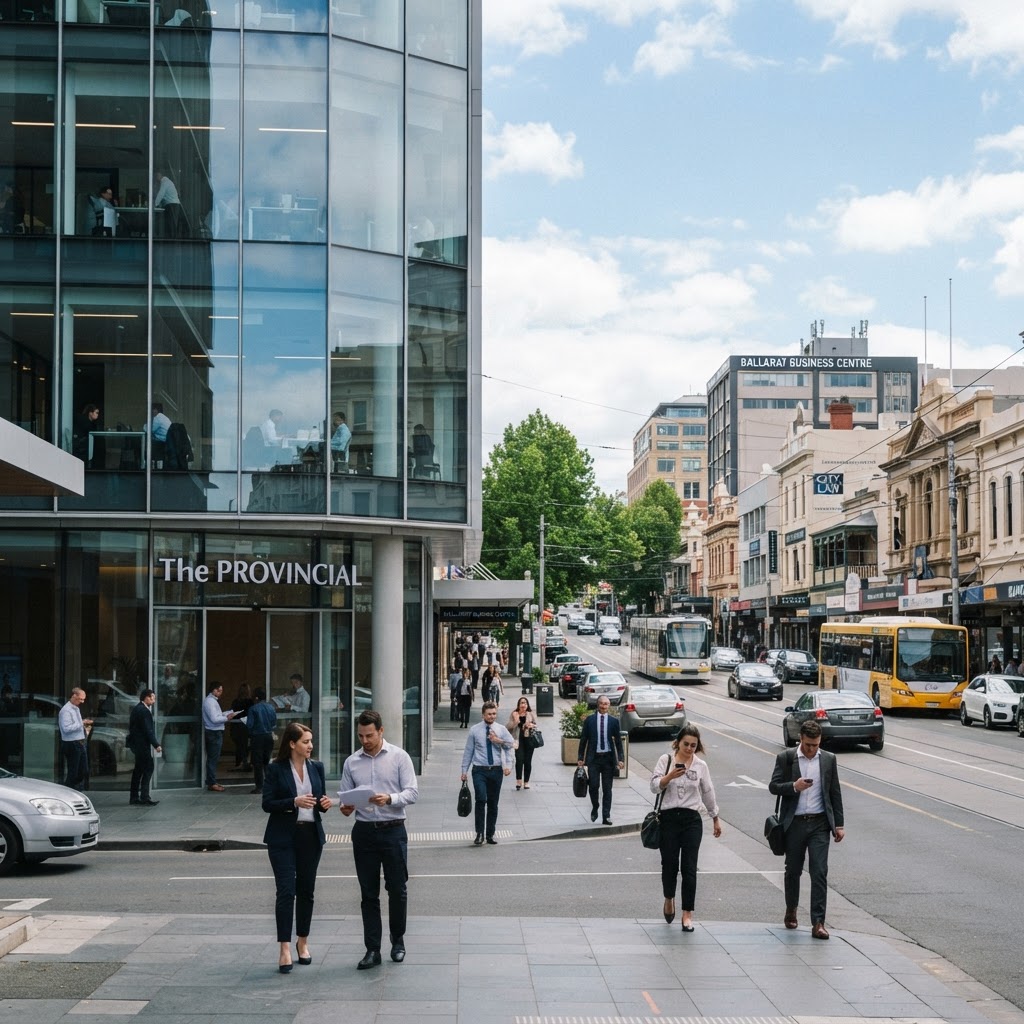
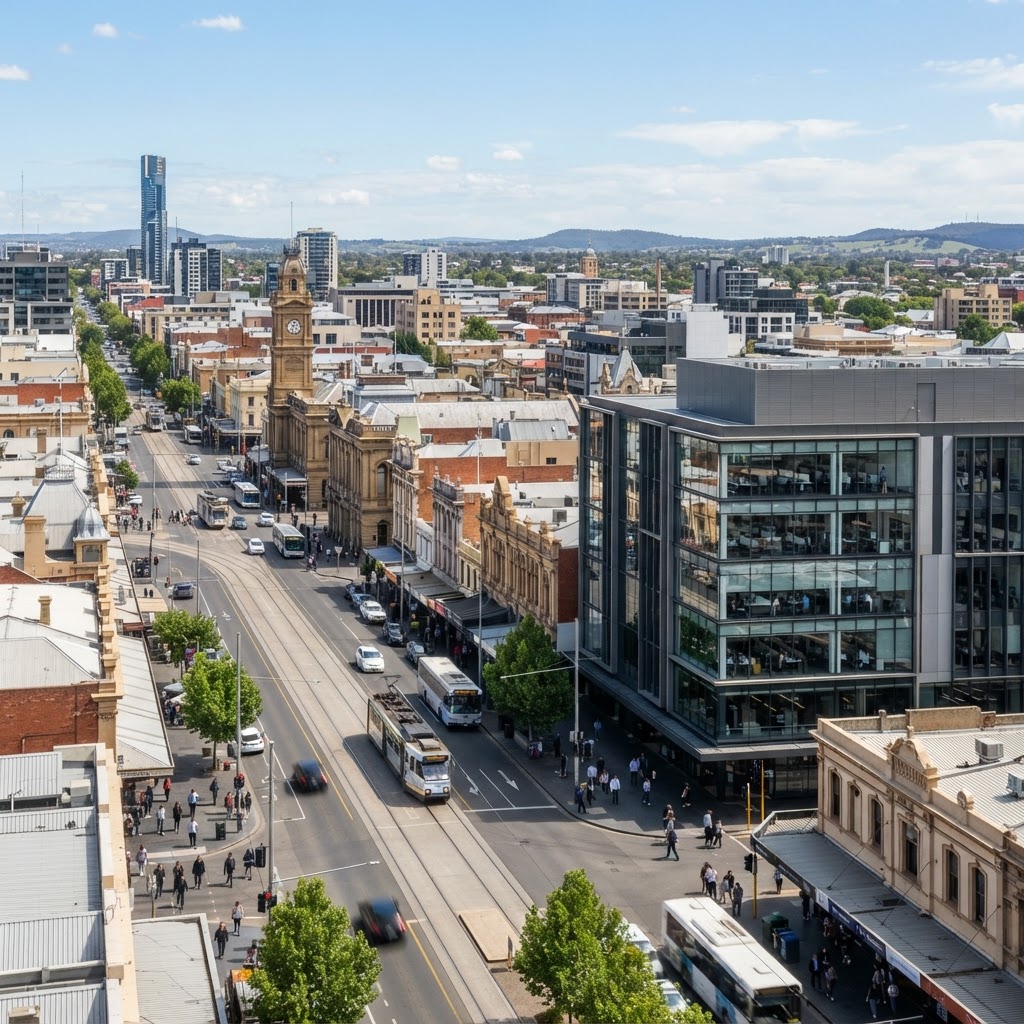
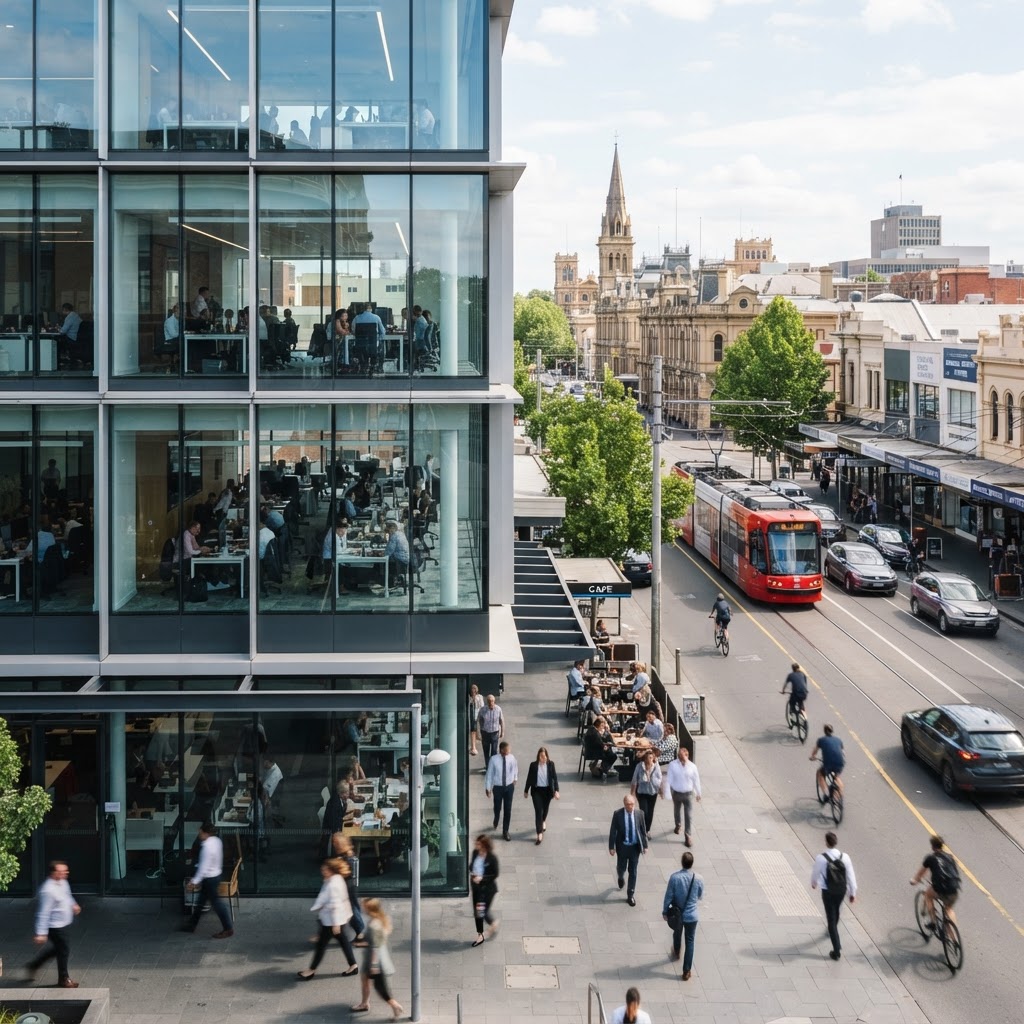
Ballarat's retail sector is heading into rougher waters. Store owners across the city are contending with a toxic mix of rising operational costs, hesitant consumer spending, and the fallout from yesterday's national telecommunications collapse-a reminder of how quickly external shocks can cripple local commerce.
The Telstra outage that crippled the nation's mobile and internet networks on Wednesday exposed vulnerabilities that retailers here have long worried about. When payment systems went down and contactless terminals stopped working, businesses from Sturt Street to Mair Street suddenly couldn't process sales. For a sector already operating on tight margins, these disruptions add a new layer of risk. The outage has sparked serious conversations among Ballarat retailers about backup systems and what the broader infrastructure failures mean for their ability to operate consistently.
Locally, businesses are grappling with pressures that hit differently depending on where they sit. The Ballarat CBD Retailers Association has fielded repeated calls from members about managing inventory costs and rent pressure. Meanwhile, suburban shopping precincts-particularly around the Ballarat Central shopping district in the inner east-are watching foot traffic patterns shift as consumer confidence remains fragile. Store managers report customers spending less per visit and deferring non-essential purchases.
Cost pressures mounting across the board
The numbers tell a sobering story. Commercial rent in central Ballarat has climbed to an average of $280 to $340 per square metre annually, up roughly 8 percent since early 2025. Staffing costs have risen sharply, with award wage increases in June pushing retail wages higher just as businesses scramble to manage overheads. Electricity bills for retail operations have increased by 12 to 15 percent year-on-year, creating particular strain for businesses running extended trading hours or climate-controlled storage.
Suppliers are also tightening terms. Several local wholesale distributors have shifted from 30-day to 14-day payment windows, forcing retailers to maintain higher cash reserves. The cumulative effect squeezes profitability. A mid-sized clothing retailer on Sturt Street told staff recently that they'd need to reduce operating hours on weekdays unless foot traffic improved by 20 percent before spring trading season.
Consumer behaviour shifting
Beyond the cost story sits a demand problem. Consumer confidence in regional areas like Ballarat has dipped as interest rates remain elevated and households reassess discretionary spending. Supermarket sales data from mid-2026 shows basket sizes contracting, particularly in non-food categories. That translates to weaker performance for the apparel, homewares, and general merchandise stores that anchor many of Ballarat's shopping strips.
Hospitality venues are seeing the same pattern. Restaurant booking data from the past six weeks shows average party sizes down and frequency of repeat visits declining. Venues in the Bakery Hill precinct and along Grant Street report that mid-week trading has become particularly thin.
What makes this environment especially challenging is timing. Retailers typically bank on spring and summer trading to build cash reserves heading into the quieter winter months. This year, the combination of higher costs, cautious consumers, and infrastructure anxiety means that buffer is shrinking. Businesses without robust digital backup systems or diversified sales channels are most exposed.
Smart operators are already moving. Some Ballarat retailers are negotiating lease terms more aggressively, consolidating stock to free up cash, and investing in offline payment capabilities. Others are experimenting with events and loyalty programs to drive frequency. The critical window opens in August and September. How trading performs across those two months will largely determine which retailers can ride out the remainder of 2026 without deeper restructuring.
About this article●Beta
Published by The Daily Ballarat
Covering business in Ballarat. This article was generated by AI, under human editorial accountability and risk-based review and our reasonable editorial care. Sensitive material is held for human review before publication. See our reasonable editorial care.
Beta: AI-assisted and human-overseen. Details may be imperfect, so please verify anything important.