Business
Understanding Ballarat's Employment Market: Economic Indicators and Investment Flows Explained Clearly
A deep dive into how recent economic data and investment trends are shaping local job opportunities in Ballarat.
3 min read
Business
A deep dive into how recent economic data and investment trends are shaping local job opportunities in Ballarat.
3 min read
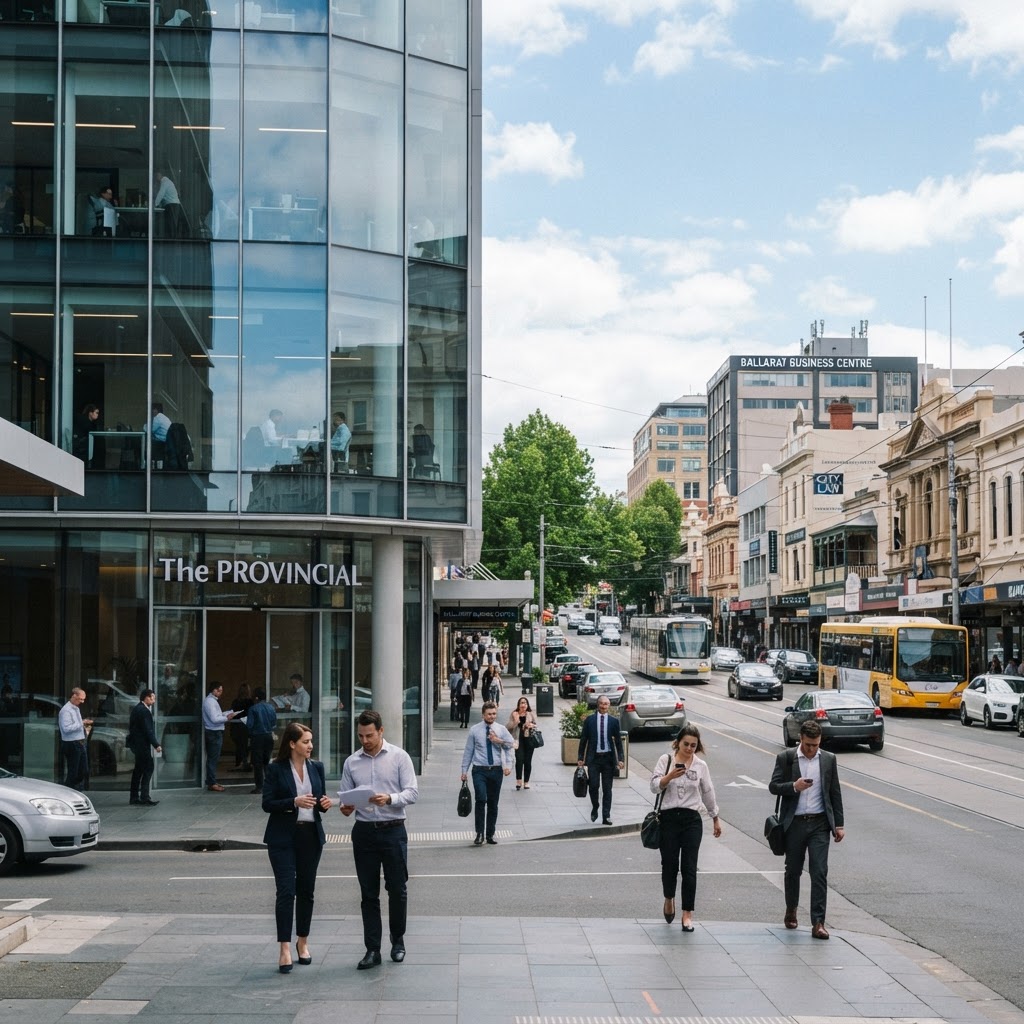
Ballarat's employment market shows signs of steady growth, with new investment flows supporting job creation across several key sectors. The city's unemployment rate fell to 4.6% in June 2026, marking a 0.4 percentage point decline from the previous quarter, according to data released by the Victorian Department of Jobs, Precincts and Regions.
This reduction in unemployment is particularly noteworthy as Ballarat navigates a shifting economic landscape marked by regional infrastructure projects and increased business activity. With Australia’s broader economic growth moderating, understanding the local factors driving employment helps residents and investors make informed decisions.
Two major developments stand out in Ballarat. The ongoing Ballarat West Growth Area project, spearheaded by the City of Ballarat and local developers such as Watsons Property Group, continues to attract construction and skilled trade workers. This initiative, focusing on mixed residential and commercial zoning in the western suburbs, has injected over $250 million in development capital since 2025.
Meanwhile, the Ballarat Innovation Hub on Lydiard Street North has attracted renewable energy startups and tech firms, supported by state government grants under the Regional Innovation Fund. Since early 2026, the Innovation Hub has helped create over 150 new jobs in the technology and green industries sector, signaling a shift from traditional manufacturing to knowledge-based employment.
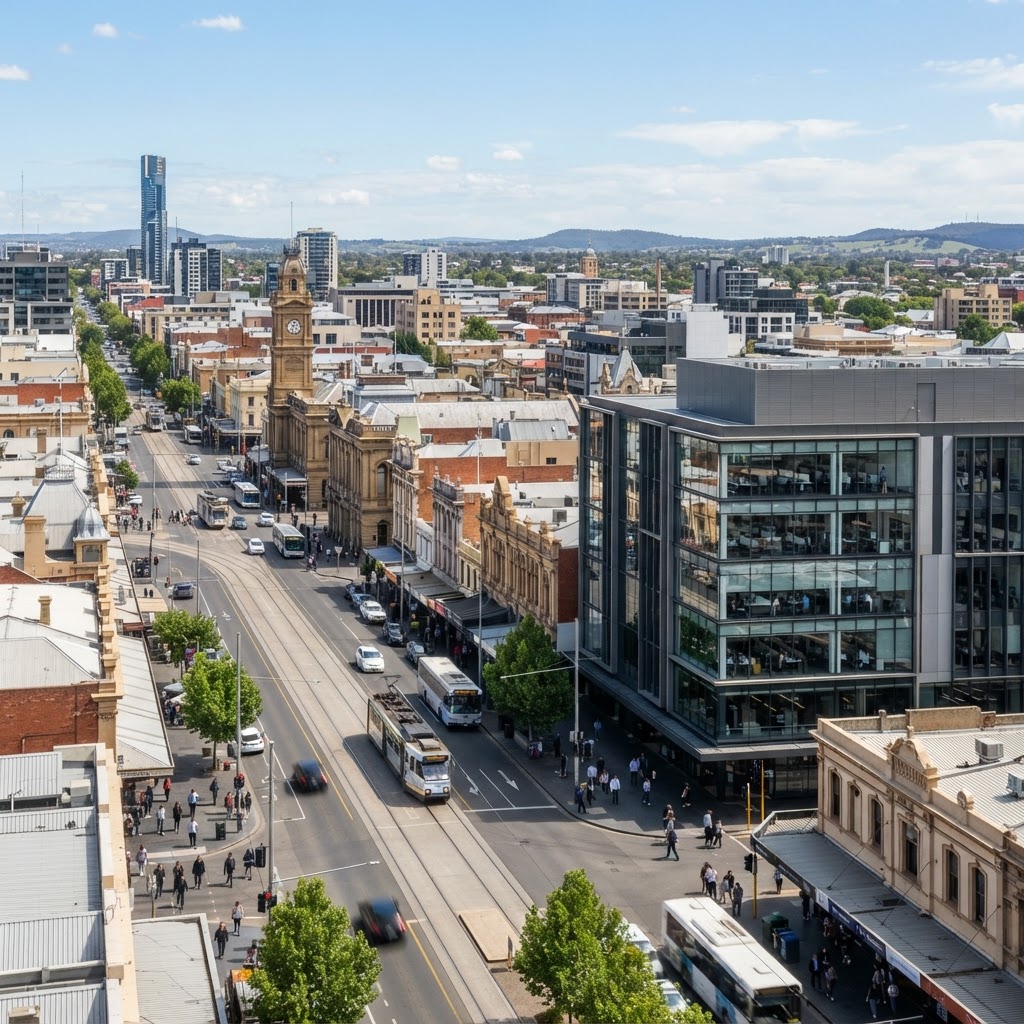
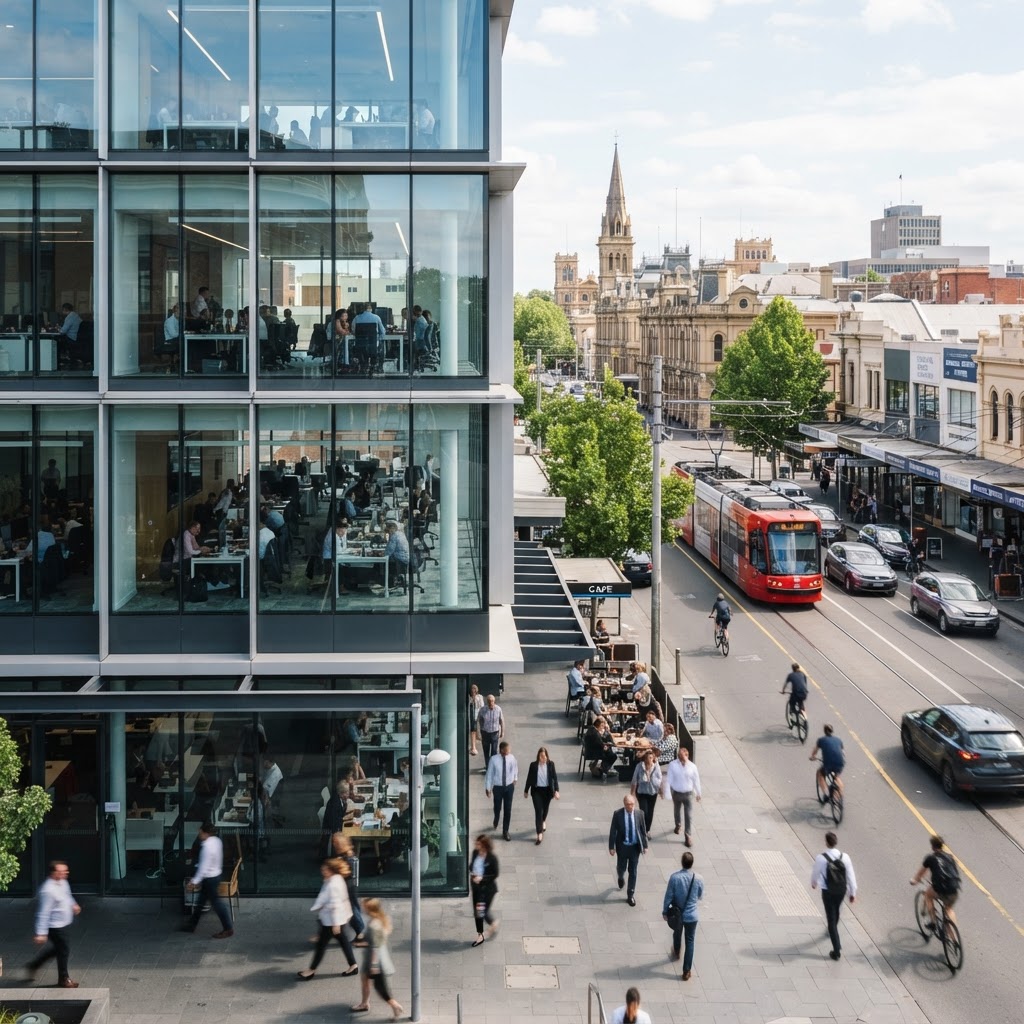
Economic indicators underline a positive outlook. Business investment within the Ballarat region rose by 6.8% in the first half of 2026 compared to the same period last year, outpacing Victoria’s statewide average of 4.2%, according to the Australian Bureau of Statistics (ABS). This uptick is tied to expansions in manufacturing facilities on Mair Street and increased commercial real estate occupancy rates on Sturt Street, Ballarat's central business district.
Employment across the healthcare and education sectors also expanded, with Ballarat Health Services reporting a 5% growth in staff numbers over the past 12 months, primarily in nursing and allied health roles. Similarly, Federation University has increased recruitment for administrative and research roles ahead of the planned campus expansion scheduled for 2027.
Notably, wages in Ballarat have risen modestly, with the median weekly full-time income increasing from $1,140 to $1,175 between December 2025 and June 2026, reflecting demand for skilled labour in emerging industries.
For local residents and businesses, these trends suggest cautious optimism. While construction and tech sectors provide new opportunities, traditional industries face ongoing challenges due to automation and global economic pressures. Job seekers might consider upskilling through TAFE Gippsland or Ballarat Regional TAFE programs, particularly in digital technologies and sustainable energy fields, to remain competitive.
Looking ahead, Ballarat's economic resilience will depend on balancing investment flows with workforce development. Careful monitoring of upcoming infrastructure initiatives, such as the proposed extension of the Ballarat Line train service, will be critical in assessing future employment prospects. Stakeholders including the Ballarat Economic Development Unit emphasize collaboration across government, education providers, and industry to sustain momentum.
In the meantime, residents seeking new employment opportunities should track job openings through Ballarat’s Local Jobs Portal and engage with community career advice services offered by the Ballarat Neighbourhood Centre. This proactive approach will help align skills with the evolving needs of Ballarat's diverse and growing economy.

Business
Business
Business

Business
Business
Business
About this articleBeta
Published by The Daily Ballarat
Spread the word
Daily brief
Free, in your inbox before 7am. Weekdays.
The Daily Network — local news across Australia