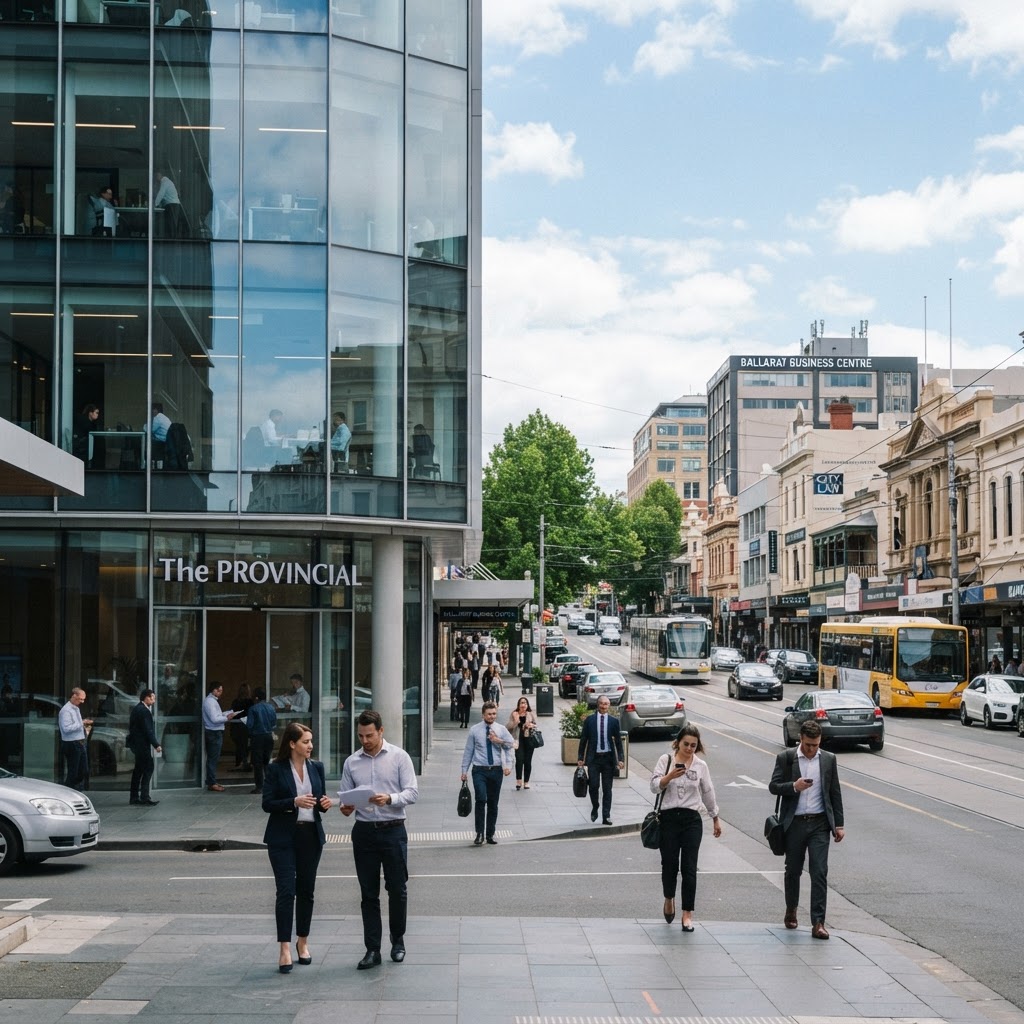
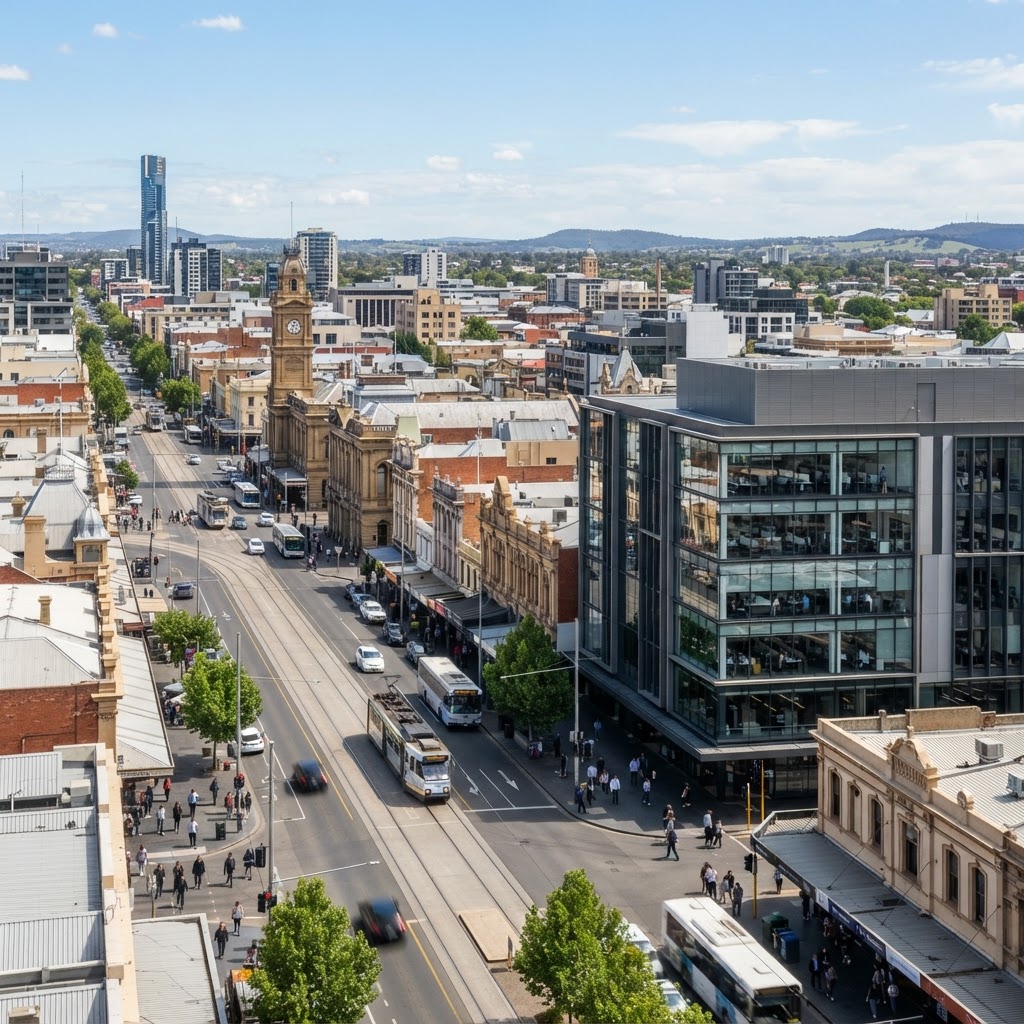
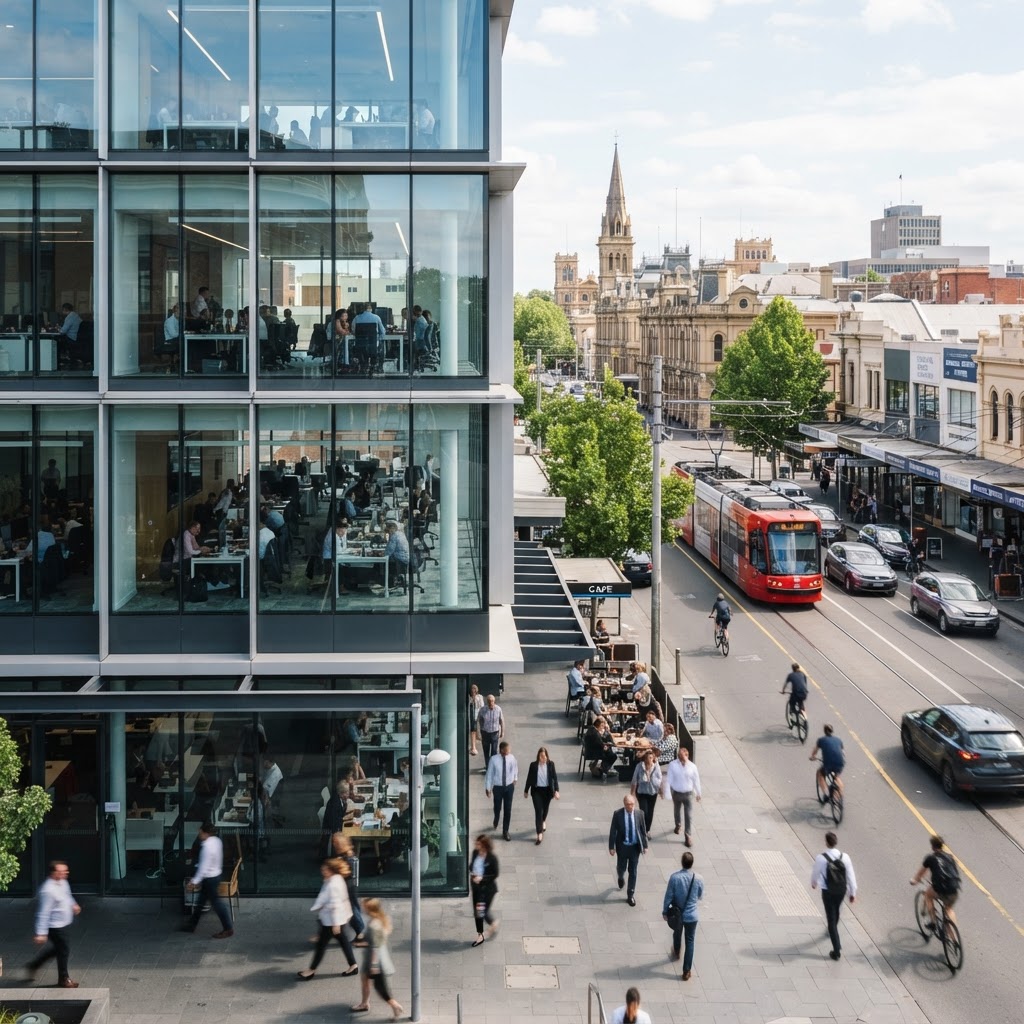
Ballarat's local employment rate ticked down to 3.8 percent in June, according to figures released Friday by the City of Ballarat's economic development unit, a fraction above the all-time low of 3.6 percent recorded in March, but still among the tightest labour markets in regional Victoria.
The numbers come at a moment of crosscurrents for the city's economy. National headlines about Telstra's nationwide outage on July 9, which knocked out mobile and internet services for millions, disrupted Triple Zero calls and prompted an apology from the CEO, have rattled consumer confidence. Meanwhile, a 2.1 percent drop in national home prices over the June quarter, as reported by CoreLogic last week, has raised questions about household wealth and spending.
At the Wendouree Industrial Estate, set between Dowling Street and Forest Street, two new logistics tenants have taken leases since April, adding a combined 45 positions in warehousing and distribution. One of them, a regional freight hub operated by a Melbourne-based logistics firm, says it chose Ballarat partly because of the available domestic airport land at the Ballarat West Employment Zone, a 1,200-hectare site the state government earmarked for development in 2023.
The BWEZ itself remains a work in progress. Stage one earthworks, budgeted at $42 million, are due for completion in early 2027. But the council's economic development manager told a business breakfast at the Ballarat Civic Hall on Thursday that expressions of interest from potential anchor tenants had doubled in the past six months.
Investment flows and what they mean
The investment picture is more nuanced. Private capital expenditure in the Ballarat region rose 4.3 percent in the 2025-26 financial year, according to Deloitte Access Economics data compiled for the Committee for Ballarat. That's ahead of the 2.9 percent state average but behind the 6.1 percent recorded in Geelong and the 8.0 percent in the Latrobe Valley.
Housing investment, however, is cooling. The Ballarat Building Approvals Index, published by the Urban Development Institute of Australia's local chapter, shows a 12 percent drop in residential approvals in the June quarter compared to the same period last year. Median house prices in Ballarat slipped 0.8 percent over the same three months, to $589,750, according to Real Estate Institute of Victoria figures. That's still 23 percent higher than five years ago, but the softening has put a brake on new land sales in estates such as Lucas and Alfredton.
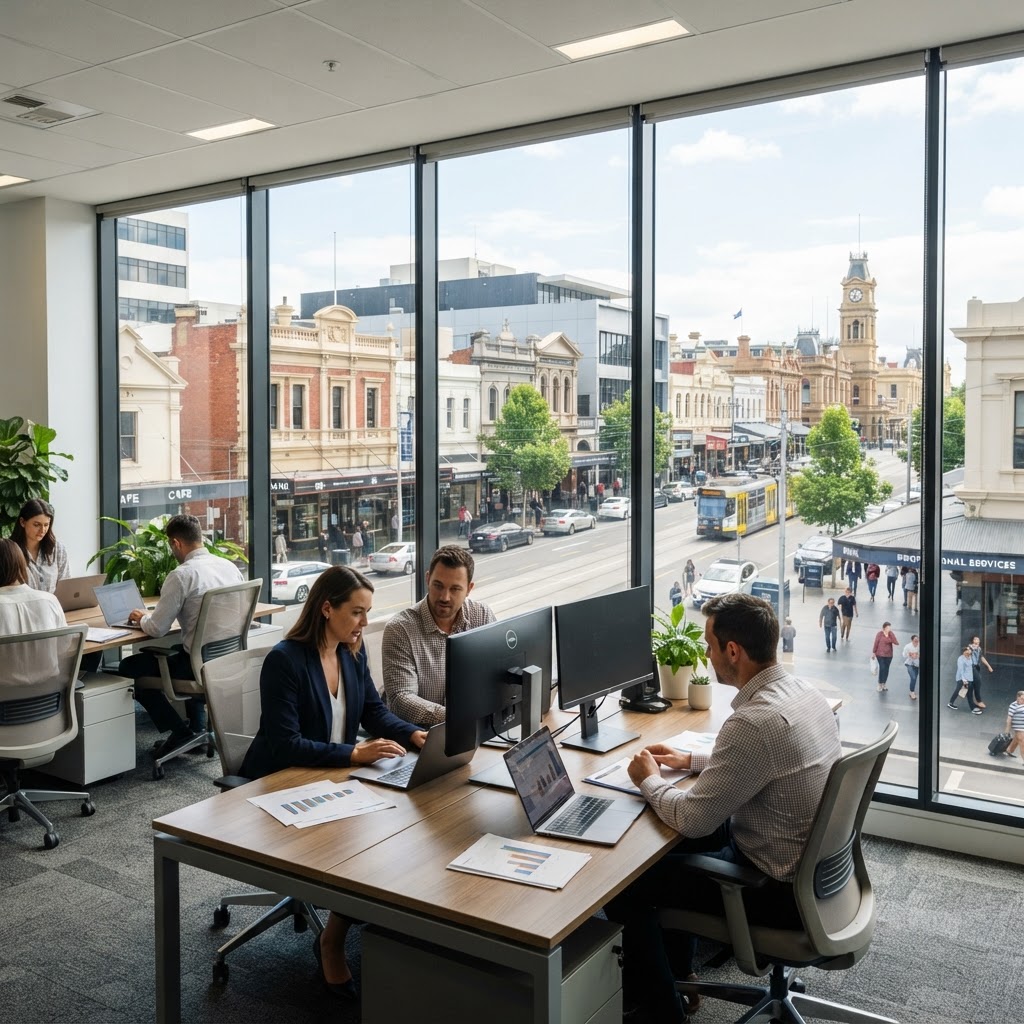
For local employers, the tight labour market remains the dominant constraint. The Jobs and Skills Committee survey of 210 Ballarat businesses in May found that 64 percent reported difficulty filling skilled positions, up from 58 percent a year earlier. The biggest gaps were in aged care, early childhood education, and civil engineering.
What happens next
The City of Ballarat has scheduled a public forum on August 19 at the Ballarat Town Hall to discuss the findings of its draft Local Employment and Skills Strategy, which proposes a target of 4,000 additional local jobs by 2030. The strategy leans heavily on three sectors: advanced manufacturing, renewable energy services, and digital health.
For workers and job seekers, the message from council officials is that the labour market is still running hot enough to favour candidates, but that the window may narrow if national rate hikes or a deeper housing correction hit regional confidence. The Reserve Bank board meets on August 4, and a rate decision is widely expected.
In Ballarat, the numbers suggest a local economy holding its own, even as the headlines grow louder. Whether that holds into spring will depend on how much of the national noise becomes local reality.