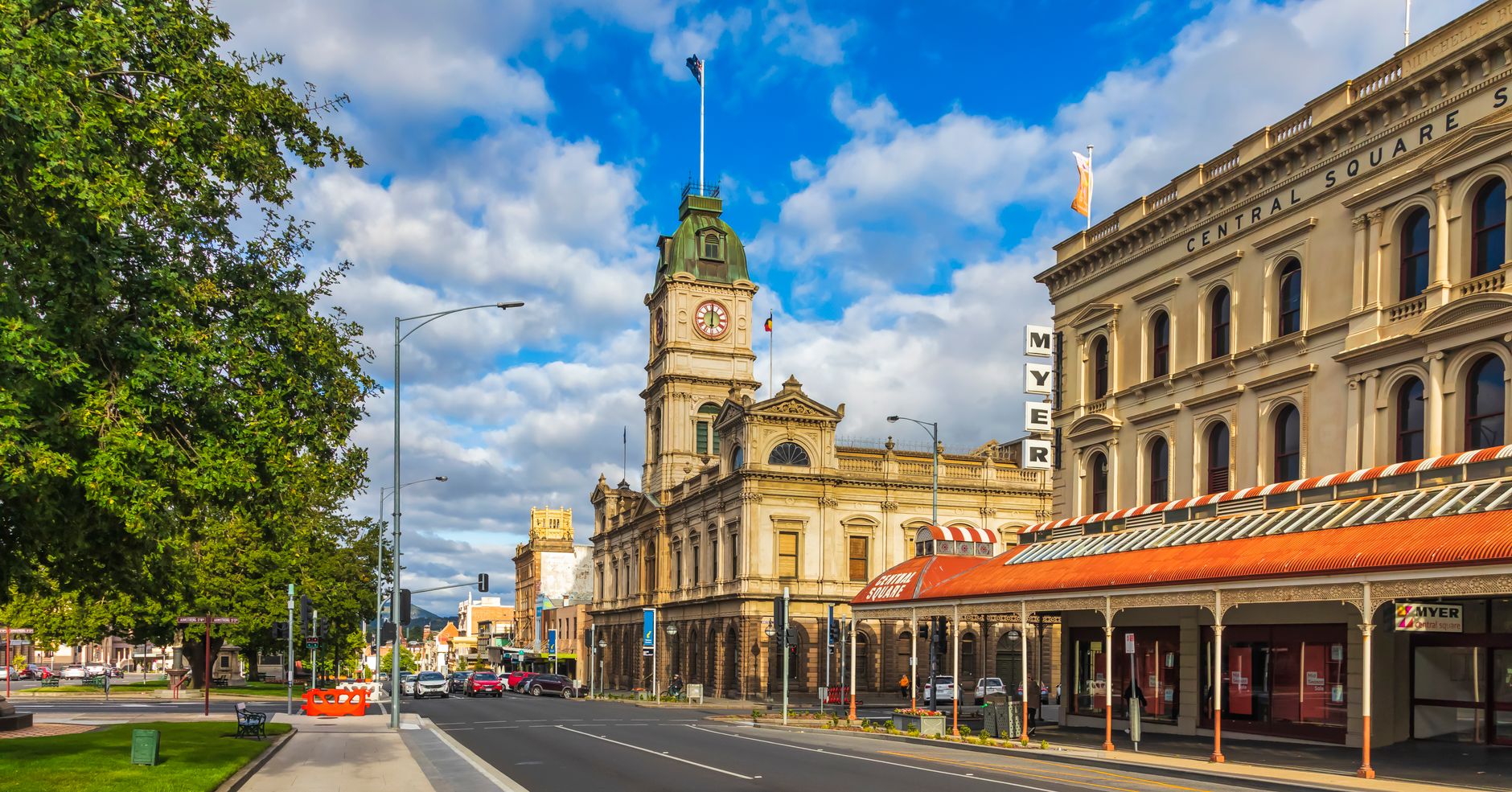
Consumer spending in Ballarat's central business district slowed by 4.2 per cent in the June quarter compared to the same period last year, according to figures compiled by the Ballarat Business Hub. That single number is telling a story that small operators from Sturt Street to the Bakery Hill precinct are already feeling in their daily takings.
The timing matters. Australia's property market is cooling nationally, first-home buyers are sitting on their hands, and AI infrastructure is crowding industrial land in major centres, all of which filters down to regional cities faster than most business owners expect. Ballarat is not insulated. Discretionary spending tightens when households feel uncertain about their assets, and plenty of local families are in that position heading into the second half of 2026.
Where the Opportunities Are Hiding
Not every trend is punishing small operators. The circular economy is generating genuine commercial momentum in the Ballarat region. Producers and hospitality venues around Sebastopol and the Wendouree industrial corridor are quietly building waste-exchange arrangements, restaurant food scraps moving to local growers, who return value-added compost products. The Ballarat Farmers Market, which runs fortnightly at the Ballarat Showgrounds on Creswick Road, has seen vendor applications rise 18 per cent since January. That is not a coincidence. Customers who are watching their grocery bills more carefully are also, paradoxically, more willing to pay a premium for local provenance and short supply chains.
Recycling infrastructure is stabilising after months of uncertainty, with depot services confirmed to continue operating under Container Exchange arrangements. For Ballarat retailers and hospitality businesses, that matters practically, it reduces waste compliance headaches and keeps community goodwill intact, which is a real commercial asset in a city of 125,000 people where word travels fast.
The Ballarat Business Hub on Armstrong Street has flagged that its workshop bookings for July and August are already at 80 per cent capacity, driven heavily by sole traders and micro-businesses seeking guidance on cost structures and pricing strategy. That demand is itself a data point. Business owners are nervous, and the smart ones are doing something about it rather than waiting.
What the Numbers Are Telling Operators
Nationally, small business insolvencies climbed to their highest quarterly level in eight years during the March 2026 period, according to the Australian Securities and Investments Commission. Victoria accounted for 28 per cent of those appointments. Ballarat's retail vacancy rate on Sturt Street sits at approximately 9 per cent, higher than the 6.5 per cent recorded in mid-2024, though still well below the pandemic peak of 14 per cent reached in late 2021.
Gross margins are the pressure point. Wage costs under the updated Fair Work minimum rates that took effect on 1 July 2026 have risen 3.75 per cent for award-covered workers. For a café with six casual staff, that can add $800 to $1,200 to the monthly wage bill without any change in trade volume. Operators who have not repriced their menus or service offerings since late 2025 are now absorbing that cost directly from profit.
Commercial rents across the Bridge Street Mall and the Lydiard Street dining strip have held relatively flat over the past six months, which gives tenants a narrow window to renegotiate before the spring leasing cycle kicks off. Several landlords are reportedly open to turnover-linked rent clauses for the first time, a concession that would have been unthinkable 18 months ago.
The practical advice from advisers at the Small Business Victoria regional office in Ballarat is blunt: review your break-even price weekly, not quarterly. Businesses that know their numbers in real time are making better decisions faster. Register for the Ballarat Business Hub's August cost-management workshop series before spaces close, and if the circular economy angle fits your model, the Regional Food Alliance Victoria is running expression-of-interest rounds for its waste-exchange matching program through to 31 July 2026. That is free money and free supply chain efficiency sitting on the table.