Renting in Ballarat 2026: Prices, Rights and What Tenants Need to Know
The Ballarat rental market in 2026 - median rents, tenant rights under VIC law, and tips for securing a rental.
How we report this▾
Our reporters are based in Ballarat and cover local government, business and community. We are independently owned and editorially independent. Read our editorial standards →
By The Daily Ballarat · Published 15 June 2026 at 8:35 pm · 3 min read ·
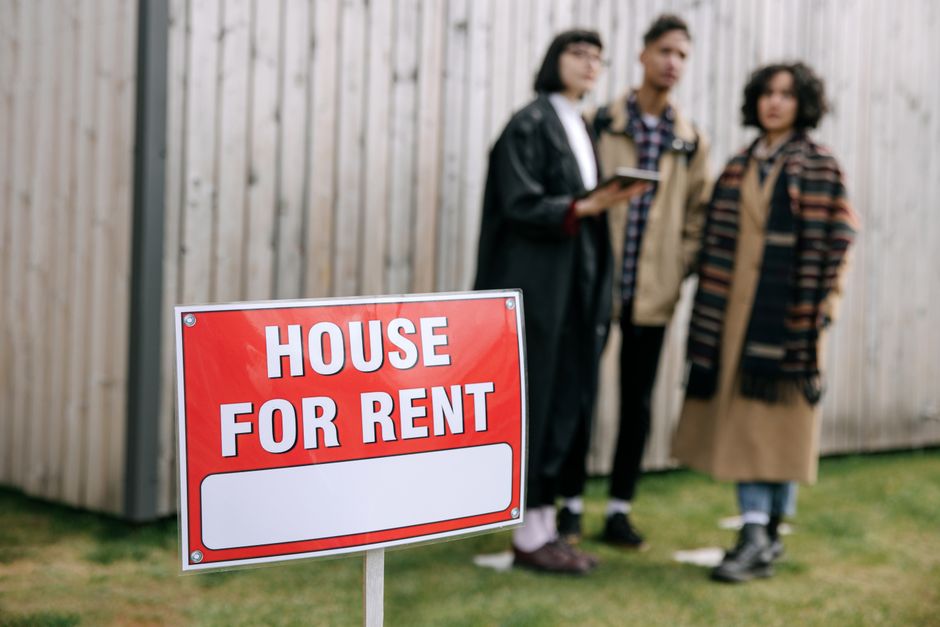
Renting in Ballarat in 2026 requires both budget clarity and an understanding of the competitive market conditions tenants face. Median weekly rents across the city have increased substantially over the past two years, with one-bedroom units now typically ranging from $280 to $320 per week, two-bedroom units from $350 to $400 per week, and three-bedroom houses from $440 to $490 per week. Rents in inner suburbs such as Ballarat East, Soldiers Hill and Ballarat Central command a premium above these medians, reflecting proximity to the CBD, restaurants, entertainment and heritage streetscapes. More affordable options remain in outer suburbs including Wendouree, Sebastopol and Delacombe, where three-bedroom family homes can still be found for $390 to $440 per week. Competition for quality rentals is fierce, with most new listings receiving multiple applications within days of being posted on major real estate portals.
Victorian tenants benefit from some of Australia's strongest renter protections under the Residential Tenancies Act 1997 and subsequent amendments. Landlords are required to ensure rental properties meet minimum standards including working locks, heating in the main living area, vermin-proof garbage bins, functional stovetops and ovens, and access to hot and cold water. Rent increases are limited to once per 12-month period, with tenants entitled to 60 days written notice. Tenants have the right to make minor modifications to the property - such as installing picture hooks, wireless internet infrastructure and certain accessibility aids - without landlord permission, provided the modifications can be reversed at the end of the tenancy. Bond is capped at one month's rent for properties where the weekly rent is $900 or less, and must be lodged with the Residential Tenancies Bond Authority within ten business days of receipt.
Winning a rental application in Ballarat's competitive 2026 market requires preparation and presentation. Prospective tenants should have a complete application ready before attending inspections, including 100 points of identification, two to three rental references with contactable landlord or property manager details, current payslips or proof of income, and a brief personal cover letter explaining your rental history and why you are a reliable tenant. Applications submitted promptly - ideally within hours of an inspection - are viewed more favourably by property managers managing high volumes of enquiry. Offering to pay rent in advance, if financially feasible, can also differentiate an application in a competitive field. Using a service like 1Form or Ignite to create a verified rental profile streamlines the process and signals organisation and seriousness to property managers.
The rental market outlook for Ballarat tenants through the remainder of 2026 remains challenging, with no immediate relief from the structural undersupply of rental stock expected. Build-to-rent development, while growing nationally, has not yet delivered meaningful new supply in regional Victoria. Advocacy groups including Tenants Victoria continue to lobby for stronger rent stabilisation measures and increased investment in social housing, but legislative changes remain uncertain. Tenants who are in secure, appropriate rentals are advised to maintain positive relationships with their property managers and landlords, as renewing an existing lease in a known property is almost always preferable to re-entering the competitive market. Those seeking to transition from renting to purchasing should explore whether the current market conditions and government assistance schemes make the step to ownership achievable within 12 to 24 months.
This article was compiled by AI from the sources linked above and screened before publishing. See our editorial standards.