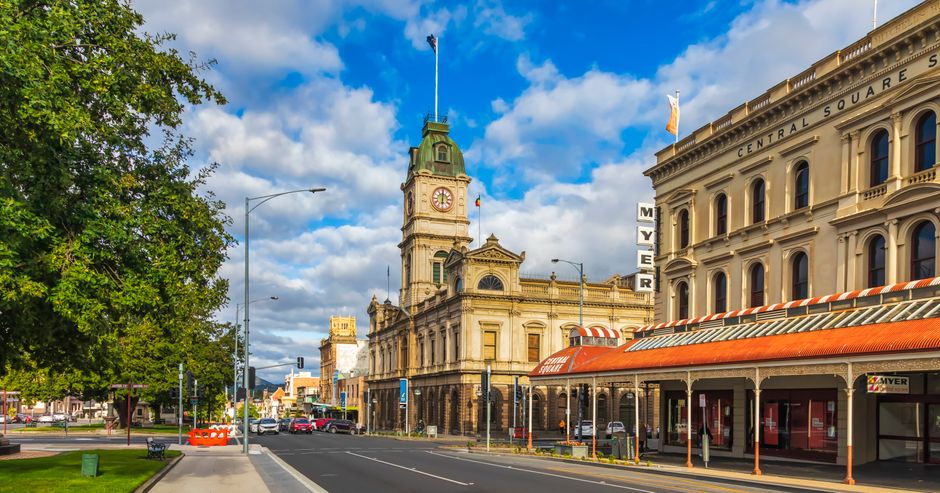
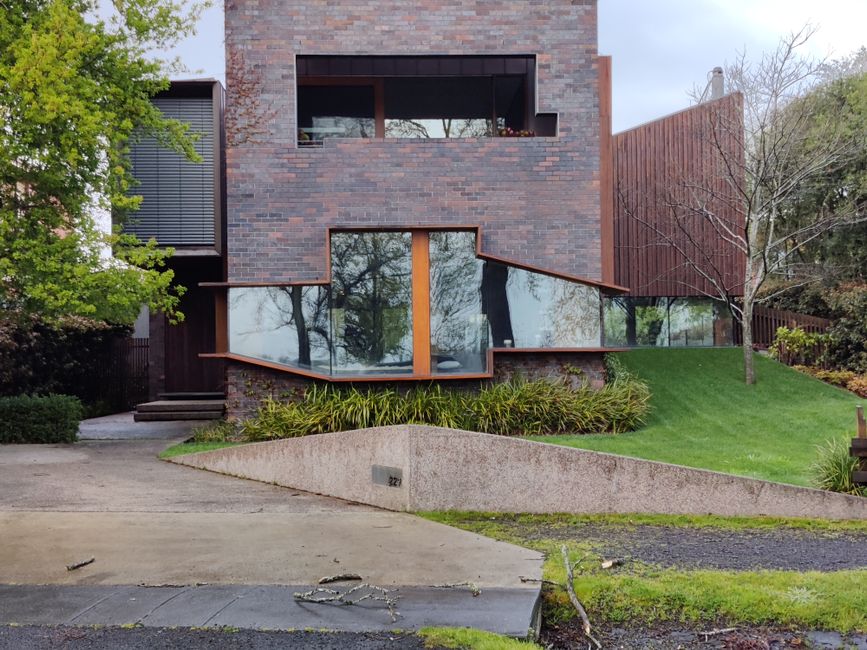
Ballarat's property market is quietly positioning itself as one of Victoria's most balanced real estate stories. While national headlines obsess over rate cycles and market pullbacks, locals know something steady is happening in our city – and it's worth paying attention to.
The numbers tell a compelling story. With a median house price hovering around $475,000, Ballarat remains significantly more affordable than Melbourne's $510,000 benchmark. Yet that gap is narrowing thoughtfully, not dramatically. This measured appreciation is exactly what savvy buyers are looking for: genuine growth without the volatility that comes with speculative booms.
The Alfredton growth corridor continues to be the engine room for younger families and first-time buyers. New subdivisions in this precinct are attracting Melbourne overflow purchasers priced out of outer suburbs like Melton and Werribee. Properties here are moving in the $420,000–$520,000 range, with considerable room for equity growth as infrastructure projects – particularly education and retail facilities – roll out over the next three to five years.
Meanwhile, the Lake Wendouree precinct maintains its premium positioning. Homes along the water and in leafy streets like Glenmore Avenue and Gillies Street command $600,000–$750,000, reflecting their lifestyle appeal and limited supply. These aren't speculation plays; they're genuine lifestyle purchases from buyers willing to pay for Ballarat's natural advantages.
What's particularly interesting is the investor activity shifting from Melbourne. Local rental yields sit around 4–4.5% in mid-range suburbs, competitive with Melbourne's outer regions but with lower entry prices. That mathematics is attracting portfolio builders who understand property cycles. They're banking on Ballarat's economic diversification – health services, education, and regional services – as a stabiliser when market enthusiasm elsewhere cools.
The Stockland and other medium-density developments underway also signal long-term confidence. These aren't flash-in-the-pan projects; they're serious urban renewal investments betting on Ballarat's next chapter.
Of course, challenges remain. Interest rate movements will continue affecting borrowing capacity across all price points. However, Ballarat's relative affordability provides a buffer that Melbourne markets simply don't have. First-time buyers can access established suburbs here; in Melbourne, the same budget barely touches growth corridors.
As Australia's property market navigates its natural cycle, Ballarat isn't chasing headlines. It's building genuine value – and that's a story that tends to end well for those patient enough to watch it unfold.
This article was compiled by AI from the sources linked above and screened before publishing. See our editorial standards.