Gariwerd: The Grampians National Park and Its Ancient Indigenous Story
The sandstone ranges west of Ballarat hold one of the richest bodies of Aboriginal rock art in southeastern Australia.
How we report this▾
Our reporters are based in Ballarat and cover local government, business and community. We are independently owned and editorially independent. Read our editorial standards →
By The Daily Ballarat · Published 19 June 2026 at 7:16 pm · 3 min read ·
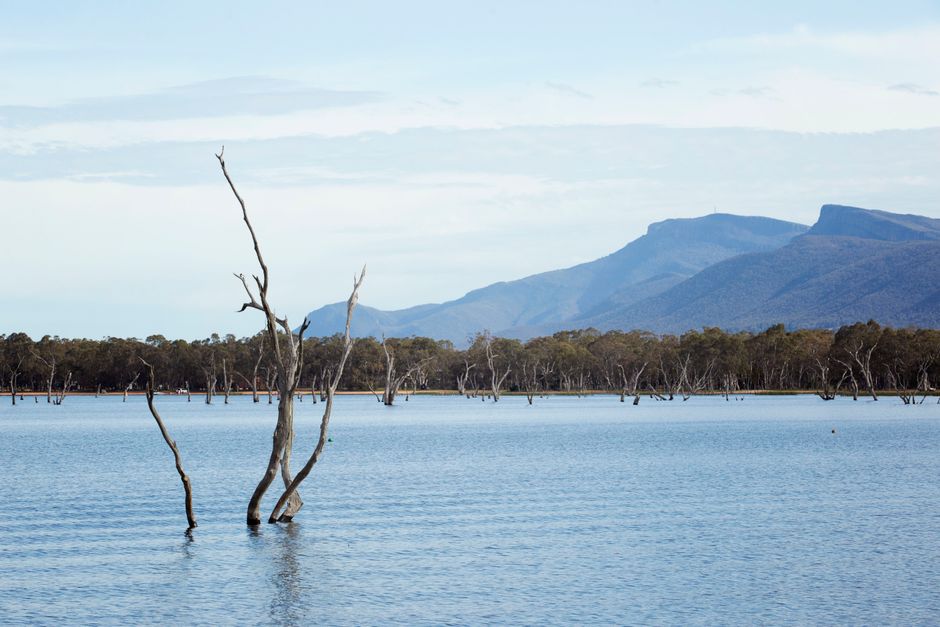
Gariwerd, the Djab wurrung and Jardwadjali name for the Grampians that the national park has adopted to acknowledge the country's First Nations heritage, encompasses the sandstone ranges that rise dramatically from the flat western Victorian plains 100 kilometres west of Ballarat and that hold one of the most significant concentrations of Aboriginal rock art in southeastern Australia. The Grampians' human history, extending back more than 20,000 years to the earliest occupation of the ranges by the Aboriginal peoples whose descendants continue to maintain cultural connections to Gariwerd, gives the national park a cultural depth that is inseparable from its extraordinary natural landscape of sandstone peaks, wildflower-covered heathlands, and the waterfalls that feed the wetlands of the surrounding plains.
The Brambuk Cultural Centre at Halls Gap, the Djab wurrung and Jardwadjali cultural centre that provides the interpretation of the Gariwerd landscape and its Aboriginal heritage for the national park visitor, is the primary access point for the cultural knowledge that gives the Grampians its deepest meaning. The centre's programs, including the guided cultural walks that Aboriginal rangers lead through the rock art sites and the cultural landscape features that European visitors cannot recognise without the Indigenous interpretive context, create the understanding of country that the national park visit is enriched by.
The wildflower diversity of the Grampians, with over 900 plant species including 10 that are endemic to the ranges and found nowhere else on earth, makes the national park one of the most botanically significant areas of its size in Australia. The spring wildflower display, when the heaths and the grasslands of the ranges' lower slopes explode in the colour of the ground orchids, the native bluebells, and the grevillea and hakea species that the mineral-poor sandstone soils favour, attracts the botanical and photographic visitors who time their Grampians visit to the September-October wildflower peak.
The Grampians Peak Trail, the 160-kilometre multi-day walking trail that traverses the full length of the ranges from the Mount Zero trailhead in the north to Dunkeld in the south, provides the long-distance walking experience that the trail's completion of the full range infrastructure has made possible for the first time. The trail's overnight huts and camps, built by Parks Victoria and the Grampians Peaks Trail Association to the standard that multi-day trail walkers require, support the long-distance walking market that the Great Ocean Walk and the Mount Kosciuszko trails have demonstrated the appetite for in Victoria and New South Wales.
This article was compiled by AI from the sources linked above and screened before publishing. See our editorial standards.