Eating and Drinking in Ballarat: A Regional Food Scene Comes of Age
The city's food and drink culture has been transformed by the Melbourne migration and the craft beer wave.
How we report this▾
Our reporters are based in Ballarat and cover local government, business and community. We are independently owned and editorially independent. Read our editorial standards →
By The Daily Ballarat · Published 21 June 2026 at 7:00 pm · 2 min read ·
Ballarat's food and drink scene has undergone the transformation that sea change migration and the maturation of Australian regional food culture has produced across the country, but with the specific character that the combination of the gold rush heritage architecture, the strong hospitality tradition of a regional city that has always had the tourist trade and the mining and agricultural wealth to sustain good food and drink, and the influx of Melbourne migrants bringing sophisticated palates and spending power has created in Ballarat. The result is a food scene that sits comfortably in comparison with comparable scenes in Australian cities many times Ballarat's size.
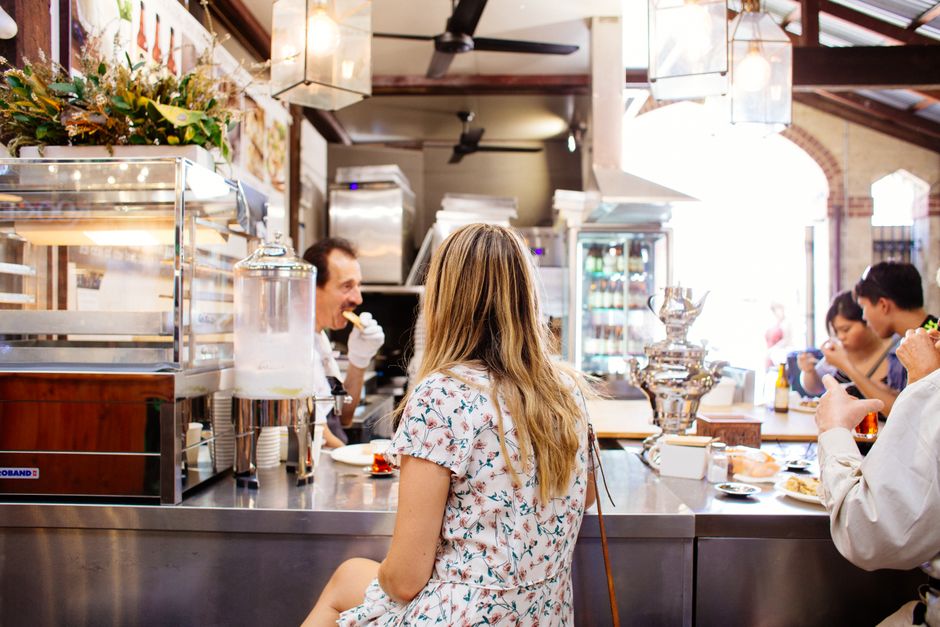
The Bridge Mall and the surrounding CBD streets provide the concentration of cafes, restaurants, and bars that serve the daily needs of Ballarat's working and residential population as well as the visitor trade. The quality of coffee in Ballarat's best cafes, reflecting the national standard that the third wave coffee movement has spread to regional centres, provides the daily ritual that the growing professional population demands and that the best Ballarat operators deliver to the standard that Melbourne-trained baristas maintain.
The craft brewing scene in Ballarat, led by the Prickly Moses Brewery and the growing number of craft beer producers who have recognised Ballarat's market potential, provides the local beer dimension that the food and drink culture requires. The craft brewing trend's penetration of regional markets has been one of the more consistent features of Australian food and drink culture over the past decade, and Ballarat's scene, supported by the grain production of the surrounding agricultural region and the water quality of the Central Highland catchments, provides a local brewing story that the hospitality sector and the food tourism market can celebrate.
The restaurant scene's best operators, working in the heritage buildings of the CBD and the inner suburbs that provide the aesthetic environment that dining experiences benefit from, have created the reputation for quality that attracts the food tourism traffic from Melbourne and the surrounding region. The drive to Ballarat for a restaurant dinner, a weekend break that the wine, heritage, and hospitality combination makes attractive, has created the food tourism economy that supports the investment that the best operators have made in their kitchens and dining rooms.
This article was compiled by AI from the sources linked above and screened before publishing. See our editorial standards.