Ballarat's Chinese Heritage: The Other Gold Rush Story
The Chinese miners who came to Ballarat left a heritage that the city is finally fully celebrating.
How we report this▾
Our reporters are based in Ballarat and cover local government, business and community. We are independently owned and editorially independent. Read our editorial standards →
By The Daily Ballarat · Published 15 June 2026 at 7:16 pm · 3 min read ·
The Chinese community of Ballarat's gold rush era, the thousands of miners from the Guangdong province who came to the Victorian goldfields in the 1850s and 1860s and whose presence shaped the social history of the goldfields in ways that the European-centred narratives of the gold rush have historically underrepresented, left a heritage in Ballarat that the Chinese Heritage Hub at Sovereign Hill and the broader acknowledgement of Chinese-Australian history in the goldfields museums are increasingly bringing to the recognition it deserves. The Chinese miners' contribution to the gold production of the Ballarat fields, and the social history of the discrimination and the violence they experienced in the anti-Chinese riots that the racially charged goldfields politics generated, provides the counter-narrative to the triumphalist gold rush story that complicates and enriches the history of the period.
The Joss House at Sovereign Hill, the recreation of the Chinese temple that the goldfields Chinese community maintained for the religious and social functions that the community required far from home, provides the tangible heritage representation of the Chinese community's spiritual life on the goldfields. The joss house's role as the centre of Chinese cultural practice in the goldfields, providing the space for the festivals, the rituals, and the community organisation that sustained the Chinese miners through the difficult conditions of the goldfields experience, is interpreted at Sovereign Hill through the costumed characters and the objects that the museum has assembled to represent Chinese cultural practice on the Victorian goldfields.
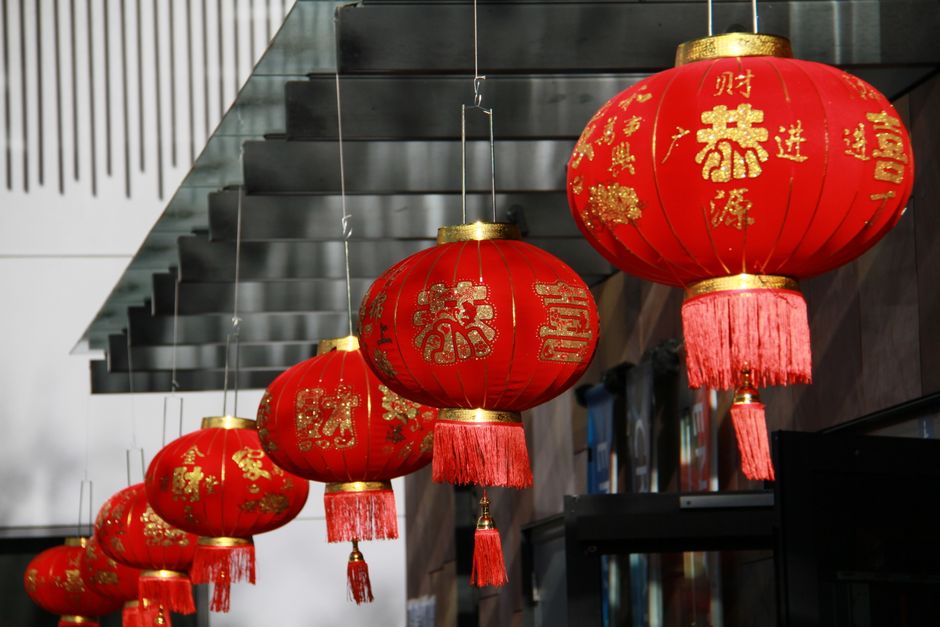
The Chinese New Year celebrations that Ballarat has developed as part of its annual events calendar, reflecting both the historical Chinese heritage of the city and the contemporary Chinese community that the University of Ballarat's international students and the broader migration have established, provide the living expression of the Chinese cultural connection to Ballarat that the historical heritage represents in its preserved and interpreted form. The celebrations' use of the Sovereign Hill site and the Ballarat Botanic Garden creates the connection between the historical and the contemporary Chinese cultural presence in the city.
The research into Chinese-Australian history on the Victorian goldfields, conducted by historians at Federation University and through the collaboration between the Chinese Australian Historical Society and the Ballarat cultural institutions, is producing the documentary record of the Chinese community's experience that the community deserves and that the broader Australian understanding of the gold rush era requires. The oral histories, the genealogical records, and the material culture of the goldfields Chinese community provide the raw material for the revisionist history that is restoring the Chinese contribution to the goldfields narrative.
This article was compiled by AI from the sources linked above and screened before publishing. See our editorial standards.