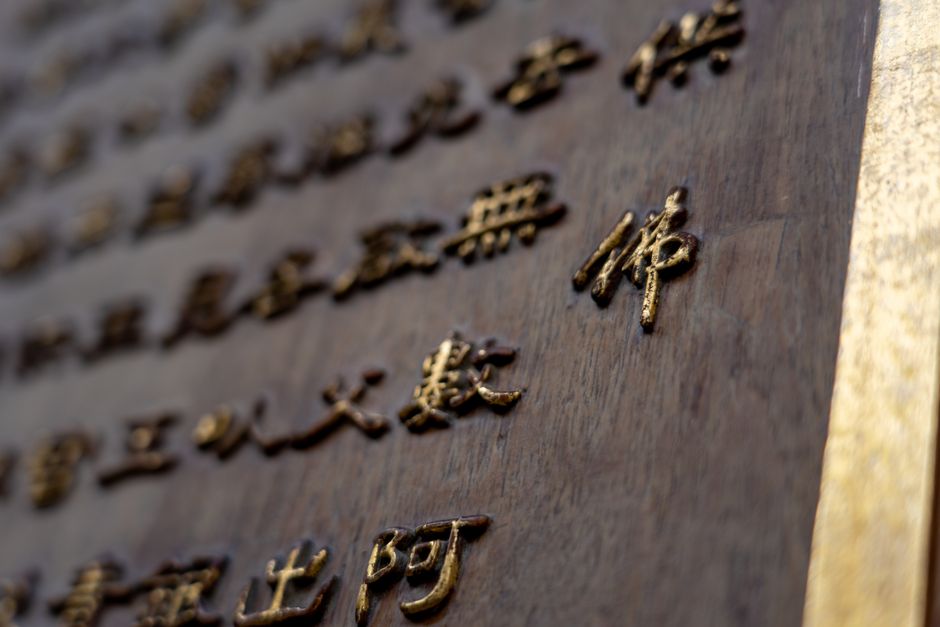
Thousands of Chinese miners came to the Ballarat goldfields, leaving a heritage still visible today.
How we report this▾
Our reporters are based in Ballarat and cover local government, business and community. We are independently owned and editorially independent. Read our editorial standards →
By The Daily Ballarat · Published 16 June 2026 at 6:21 pm · 2 min read ·
Ballarat's gold rush brought thousands of Chinese miners to the Ballarat goldfields, creating the largest Chinese community in Victoria outside Melbourne and generating both the cultural contributions that enriched the goldfields and the racial tensions that produced the Buckland Valley riots and the discriminatory immigration legislation that the colonial government enacted under European pressure. The Chinese heritage of the Ballarat goldfields is less visible today than it once was, but it is recoverable through the historical record, the artefacts preserved in Sovereign Hill and the Ballarat Fine Art Gallery, and the research that has recovered individual stories from the documentary evidence.
The Ballarat Chinese Heritage Project, a collaborative research initiative involving academic historians, the local Chinese-Australian community, and heritage institutions, has worked to recover and document the Chinese presence on the Ballarat goldfields. The project's output, including a digital heritage trail and a series of publications, makes the history accessible to the contemporary community in ways that the conventional history of the gold rush, which emphasised European perspectives, had not previously provided.
The Celestial City exhibitions at Sovereign Hill, which have interpreted the Chinese experience of the gold rush in the context of the Sovereign Hill township recreation, represent the open-air museum's most significant effort to tell the full social history of the goldfields rather than the exclusively European-heritage narrative that earlier versions of the experience presented. The exhibitions' success with visitors has demonstrated the appetite for the full social complexity of the gold rush story.
The descendants of Chinese gold rush miners who remained in Ballarat after the gold rush era, finding niches in the market gardening, retail, and food service industries that Chinese-Australian communities developed across regional Australia, have maintained connections to the goldfields heritage that community organisations have preserved. The family histories that connect present-day Australians to the gold rush Chinese migration provide the personal dimension that makes the history more than abstract heritage.
This article was compiled by AI from the sources linked above and screened before publishing. See our editorial standards.